 John Myers
Introduction: Vegetarianism in Congo
Vegetarianism is a lifestyle choice that is rapidly gaining popularity worldwide. The reasons for adopting a vegetarian or vegan diet are varied, ranging from health concerns, environmental concerns, and animal welfare issues. Vegetarianism is not as common in Congo as it is in other parts of the world. However, this is slowly changing as more people are becoming conscious of the importance of making dietary choices that are not only healthy for them but also for the environment.
Traditional Congolese cuisine
Traditional Congolese cuisine is largely based on meat and fish dishes. Stews and soups are a common staple in the Congolese diet, and they are usually accompanied by cassava, rice, or plantains. The use of spices and herbs is also prevalent in Congolese cooking. However, vegetarianism is not a new concept in Congolese cuisine, as there are many indigenous vegetables and fruits that are incorporated into dishes.
Vegetarian options in Congolese dishes
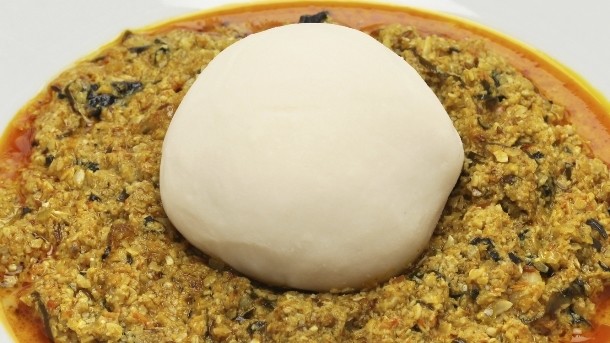
Vegetarian options in Congolese dishes are available, but they are not as widely available as meat-based dishes. Some of the popular vegetarian dishes include “Pondu,” which is a spinach and peanut stew, “Madesu,” which is a stew made with okra, and “Chikwange,” which is a dish made from cassava leaves. Other vegetarian options include grilled or roasted plantains, beans, and sweet potatoes.
Common ingredients used in vegetarian Congolese cuisine
Vegetables are a staple in the Congolese diet, and some of the most common ingredients used in vegetarian Congolese cuisine include cassava leaves, eggplant, okra, sweet potatoes, and green beans. Fruits such as mangoes, papayas, and pineapples are also used in salads and desserts. Peanut butter and palm oil are common ingredients used in Congolese dishes to add flavor and richness.
Vegan options in Congolese cuisine
Vegan options in Congolese cuisine are available, but they are limited. Many Congolese dishes use meat or fish as a base, making it challenging to find vegan options. However, some traditional dishes like “Chikwange” and “Pondu” can be adapted to vegan diets by replacing meat with tofu or mushrooms. Additionally, there are some vegan-friendly side dishes like “Linga Linga,” which is made from cassava flour and water.
Conclusion: The future of vegetarianism in Congo
Vegetarianism is not yet widespread in Congo, but it is gaining popularity. The increased availability of vegetarian and vegan options in Congolese cuisine is evidence of this shift. As more people become aware of the health and environmental benefits of plant-based diets, it is likely that vegetarianism and veganism will become more common in Congo. The future of vegetarianism in Congo is promising, and it is an exciting time for those who advocate for a healthier and more sustainable food system.


Facebook Comments