 John Myers
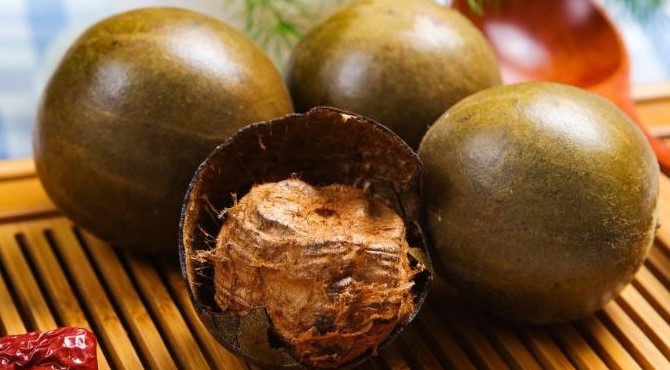
Introduction: Monk Fruit Sweetener
The quest for sweet alternatives to refined sugar has led many people to experiment with natural sweeteners. One such sweetener that has gained popularity in recent years is Monk Fruit Sweetener. Monk fruit, also known as Luo Han Guo, is a small green fruit native to southern China. It has been used for centuries in traditional Chinese medicine to treat various ailments. Monk fruit sweetener is extracted from the fruit and has been touted as a natural, zero-calorie sweetener with potential health benefits.
What is Monk Fruit Sweetener?
Monk Fruit Sweetener is a natural, zero-calorie sweetener extracted from the monk fruit. It is roughly 150-200 times sweeter than sugar and is often used as a sugar substitute in food and drinks. The sweetness in monk fruit comes from natural compounds called mogrosides, which are extracted from the fruit and used as the sweetening agent in monk fruit sweetener.
Pros of using Monk Fruit Sweetener
One of the biggest pros of using monk fruit sweetener is that it is a natural, zero-calorie sweetener. This means it can be used as a sugar substitute without adding extra calories to your diet. Monk fruit sweetener is also known to have a low glycemic index, which means it doesn’t raise blood sugar levels as much as sugar does. This makes it a good sweetener option for those with diabetes or those looking to manage their blood sugar levels.
Additionally, monk fruit sweetener has been found to have potential health benefits. The mogrosides in monk fruit have antioxidant properties that may help reduce inflammation in the body. Some studies suggest that monk fruit sweetener may also have anti-cancer properties and could potentially help lower cholesterol levels.
Cons of using Monk Fruit Sweetener
Despite its potential health benefits, there are some cons to using monk fruit sweetener. One potential downside is that it can be quite expensive compared to other sweeteners. Additionally, some people may find that monk fruit sweetener has a slightly bitter aftertaste.
Another consideration is that monk fruit sweetener is not as widely available as other sweeteners, so it may be difficult to find in some stores or regions. Finally, while monk fruit sweetener is generally considered safe for most people, some individuals may experience gastrointestinal issues such as bloating or diarrhea when consuming large amounts.
Nutritional Value of Monk Fruit Sweetener
Monk fruit sweetener is a natural, zero-calorie sweetener, which means it doesn’t add any extra calories or sugar to your diet. It also has a low glycemic index, which means it doesn’t raise blood sugar levels as much as sugar does.
How to incorporate Monk Fruit Sweetener into your diet?
Monk fruit sweetener can be used as a sugar substitute in a variety of recipes, including baked goods, smoothies, and hot drinks. It is important to note that because monk fruit sweetener is much sweeter than sugar, you may need to use less of it in recipes. Generally, using about 1/3 to 1/2 the amount of monk fruit sweetener as you would sugar should be sufficient.
Monk Fruit Sweetener vs other sweeteners
Compared to other sweeteners, monk fruit sweetener is a natural, zero-calorie sweetener with potential health benefits. It has a low glycemic index and is considered safe for most people. Other popular sweetener options, such as Stevia or Erythritol, also have their own pros and cons. Stevia is another natural, zero-calorie sweetener that may have potential health benefits, but some people find it has a bitter aftertaste. Erythritol is a sugar alcohol that is also low in calories, but some people may experience gastrointestinal issues when consuming large amounts.
Conclusion: Is Monk Fruit Sweetener right for you?
Monk fruit sweetener is a natural, zero-calorie sweetener with potential health benefits. It can be a good sugar substitute option for those looking to manage their blood sugar levels or reduce their calorie intake. However, it is important to keep in mind that monk fruit sweetener can be expensive and may have a slightly bitter aftertaste. It is also not as widely available as other sweeteners. Ultimately, whether or not monk fruit sweetener is right for you depends on your personal taste preferences and dietary needs.


Facebook Comments