 John Myers
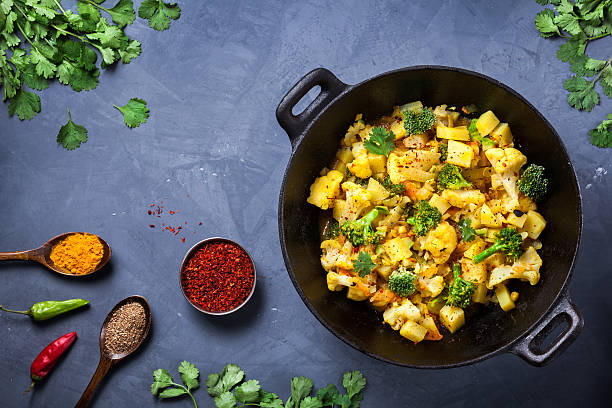
There are a few things to consider when it comes to Ayurveda nutrition, then food is considered a remedy in Indian medicine. We have summarized for you which rules you should comply with.
Ayurveda: Rules for a healthy diet
In Ayurveda, nutrition plays a very important role, so there are a few rules about it.
- You should give preference to easily digestible foods. Indian medicinal medicine also describes which foods are considered heavy. In addition to cheese, eggs, meat, and fish, this includes all fatty foods. In the evening, salad and yogurt are also considered difficult to digest.
- Eat slowly and in moderation. You should never fill your stomach completely.
- Warm food is better than cold food, and you should avoid ice-cold food and drinks altogether. You should also avoid finished products and only eat meat and acidic foods. This also applies to alcohol.
- Spices are important as they aid in digestion. Ginger, fennel, cardamom, coriander, turmeric as well as saffron are recommended. We will introduce you to other healthy spices in another article.
Meal breaks are important
In general, you should only eat when you are hungry. Nevertheless, there are guidelines as to how often and when you should eat.
- Get used to eating three regular meals a day and avoid snacking in between.
- A warm porridge with fruit is enough for breakfast. Lunch should be high in protein and dinner should not be late. Light, warm meals such as soup or rice with vegetables are ideal in the evening.
- There should be a break of four hours between meals. During the night, give your digestive organs a 12-hour break. For example, if you eat dinner at 7 p.m., you should have breakfast at 7 a.m. at the earliest. This meal break is similar to intermittent fasting.
- Certain components of Ayurveda medicine can not only be used for your health. An example of this is neem: you can use neem against aphids and thus get rid of the pests without chemicals.



Facebook Comments