 John Myers
Introduction: Exploring Brazilian Cuisine
Brazilian cuisine is a blend of various influences, including indigenous, Portuguese, African, and immigrant cultures. It is renowned for its bold flavors, vibrant colors, and diverse ingredients, making it a feast for both the eyes and the palate. From succulent meats to fresh seafood, tropical fruits, and nutritious vegetables, Brazilian cuisine offers something for everyone.
If you’re interested in discovering the rich culinary heritage of Brazil, read on to learn about the country’s main dishes, regional variations, and must-try delicacies that will tantalize your taste buds.
The Rich History of Brazilian Food
Brazilian food has a long and fascinating history that reflects the country’s cultural diversity and colonial past. It has been shaped by the traditions of indigenous peoples, African slaves, and European immigrants, who brought their own culinary customs and ingredients to Brazil.
Some of the most popular dishes in Brazil, such as feijoada and churrasco, have their roots in the colonial era, while others, like moqueca and vatapá, are regional specialties that reflect the local ingredients and cooking techniques of the coastal and tropical regions of Brazil.
Regional Cuisines: An Overview
Brazil is a vast country with diverse climates, landscapes, and culinary traditions, which vary from region to region. Some of the most famous regional cuisines of Brazil include:
- Northeastern cuisine: Known for its spicy and flavorful dishes, this cuisine features seafood, coconut milk, and exotic fruits, and is heavily influenced by African and indigenous cultures.
- Southern cuisine: This cuisine is characterized by its meat-centric dishes, such as churrasco and beef stews, and reflects the European heritage of the region’s settlers.
- Amazonian cuisine: This cuisine is based on the ingredients and flavors of the Amazon rainforest, such as fish, fruits, and nuts, and is known for its unique and exotic dishes.
Embracing the Main Staples of Brazil
No article about Brazilian cuisine would be complete without mentioning the main staples of the country’s diet. These include:
- Rice and beans: This classic combination provides a source of protein, fiber, and carbohydrates for millions of Brazilians, and is often served with meat, vegetables, and farofa (a toasted cassava flour).
- Farofa: Made from toasted cassava flour, farofa is a crunchy and nutty condiment that adds texture and flavor to many Brazilian dishes.
- Mandioca: Also known as cassava or yucca, this versatile root vegetable is used in various forms in Brazilian cuisine, such as fried sticks, mashed potatoes, and flour.
Feijoada: Brazil’s National Dish
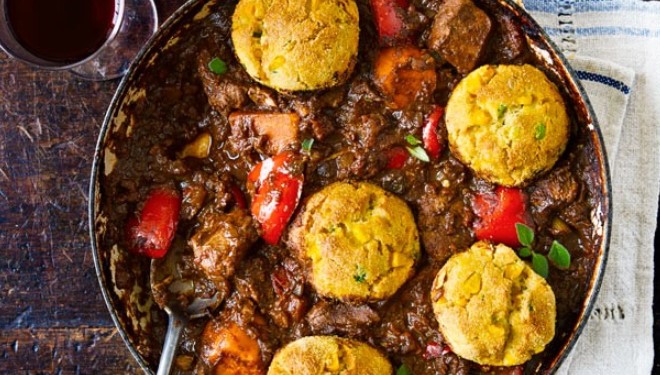
Feijoada is a hearty and flavorful stew made with black beans, pork and beef cuts, and various vegetables and spices. It is considered Brazil’s national dish and is often served with rice, farofa, orange slices, and caipirinha (a popular Brazilian cocktail).
Feijoada originated in the colonial era as a way for slave owners to use the cheaper cuts of meat that were left over from the more expensive cuts. Today, it is a dish that symbolizes Brazil’s cultural diversity and is enjoyed in restaurants and homes across the country.
Moqueca: A Seafood Lover’s Paradise
Moqueca is a seafood stew that originated in the coastal regions of Brazil, particularly in the states of Bahia and Espírito Santo. It is typically made with fish or shrimp, coconut milk, dendê oil (palm oil), onions, peppers, and tomatoes, and is seasoned with garlic, ginger, and cilantro.
Moqueca is a vibrant and flavorful dish that reflects the tropical climate and abundant seafood of Brazil’s coast. It is often served with rice, farofa, and a side of pirão (a thickened sauce made with fish broth).
Churrasco: A Meat-Lover’s Dream
Churrasco is a style of barbecue that originated in southern Brazil and is now popular throughout the country. It typically features various cuts of beef, pork, and chicken that are skewered and grilled over an open flame.
Churrasco is a meat-lover’s dream, as it offers a wide variety of cuts and flavors, from tender sirloin to juicy sausage. It is often served with rice, farofa, and chimichurri sauce (a blend of herbs, garlic, and vinegar).
Vatapá: A Creamy Bahian Delight
Vatapá is a creamy and flavorful dish that originated in the state of Bahia and is popular throughout northeastern Brazil. It is made with shrimp or fish, bread, coconut milk, dendê oil, peanuts, and seasonings, and is often served with rice and farofa.
Vatapá is a unique and exotic dish that combines African and indigenous flavors and is often associated with the vibrant and colorful culture of Bahia.
Bobó de Camarão: A Shrimp Lover’s Treat
Bobó de camarão is a creamy and savory dish that features shrimp, manioc (cassava) puree, coconut milk, onions, tomatoes, and spices. It originated in the coastal regions of Brazil and is now popular throughout the country.
Bobó de camarão is a rich and comforting dish that showcases the flavors of the sea and the earth. It is often served with rice, farofa, and a side of fried plantains.
Acarajé: A Street Food Favorite
Acarajé is a popular street food that originated in the state of Bahia and is now enjoyed throughout Brazil. It consists of deep-fried balls of black-eyed pea puree, filled with spicy shrimp, coconut, and palm oil sauce.
Acarajé is a flavorful and filling snack that reflects the African and indigenous influence on Brazilian cuisine. It is often sold by street vendors and is a must-try for anyone who wants to experience the vibrant and diverse culinary culture of Brazil.


Facebook Comments