 John Myers
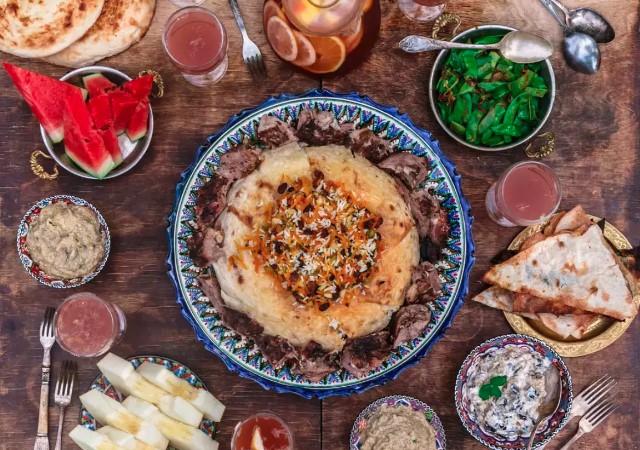
Introduction: Iranian cuisine and dietary restrictions
Iranian cuisine is known for its rich flavors and use of herbs and spices. However, many people with dietary restrictions may be hesitant to try Iranian dishes due to concerns about ingredients that may not be suitable for them. Fortunately, Iranian cuisine offers a variety of options for people with dietary restrictions, including vegetarians, those with gluten intolerance, lactose intolerance, and those who strictly adhere to halal dietary laws.
Vegetarian options in Iranian cuisine
Vegetarianism is not common in Iran, but there are still many dishes that are suitable for vegetarians. One popular vegetarian dish is “khoresh-e ghormeh sabzi,” which is a stew made with a variety of fresh herbs and vegetables. Another vegetarian option is “kashk-e bademjan,” a creamy eggplant dip that is traditionally served with bread. “Zereshk polo,” a dish made with saffron rice and barberries, is also a vegetarian option that is commonly served in Iranian households.
Gluten-free Iranian dishes
Iranian cuisine is heavily based on rice, which is naturally gluten-free. Kebabs made with chicken, beef, or lamb are also gluten-free, as long as they are not marinated with soy sauce or other gluten-containing ingredients. “Khoresh-e fesenjan,” a stew made with pomegranate molasses and walnuts, is another gluten-free option. “Ash-e reshteh,” a soup made with beans, lentils, and vegetables, is also gluten-free as long as the noodles used are made with rice flour.
Iranian dishes for those with lactose intolerance
Many Iranian dishes contain dairy products, such as yogurt and feta cheese. However, there are still many options for people with lactose intolerance. “Khoresh-e gheymeh,” a stew made with split peas and beef, is a lactose-free option. “Kashk-e bademjan” can also be made without yogurt, using a lactose-free alternative such as tofu or cashew cream. Another option is “joojeh kebab,” a grilled chicken dish that is traditionally served with a side of grilled vegetables.
Halal Iranian dishes
Halal dietary laws require that meat is prepared in a specific way, with the animal being slaughtered and the blood drained from the body. Many Iranian dishes are halal, including kebabs made with chicken, beef, or lamb. “Khoresh-e fesenjan” and “khoresh-e gheymeh” are also halal options. It’s important to note that pork is not consumed in Iran, so it is not commonly found in Iranian cuisine.
Conclusion: Enjoying Iranian cuisine with dietary restrictions
Despite potential challenges, people with dietary restrictions can still enjoy Iranian cuisine. With a little research, it’s possible to find many delicious and suitable options, from vegetarian stews to gluten-free kebabs. By exploring the many flavors of Iranian cuisine, those with dietary restrictions can discover new and exciting dishes that fit within their dietary restrictions.


Facebook Comments