 John Myers
Introduction: What is “bara” and where did it come from?
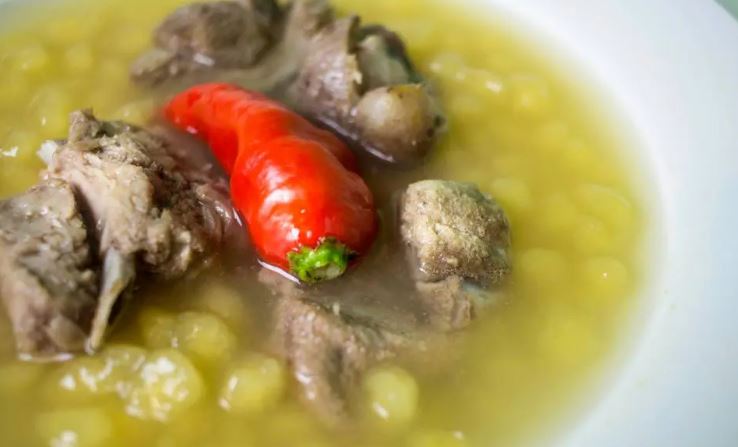
“Bara” is a popular Surinamese street food that originated from the Indian community in the country. It is a small, round, deep-fried dough ball filled with a spicy mixture of channa dal, onions, garlic, and various spices. The dish is often served with a hot and tangy chutney made from tamarind or mango.
The roots of “bara” can be traced back to the Indian subcontinent, where it is known as “vada” or “medu vada.” When Indian laborers were brought to Suriname by the Dutch colonialists in the 19th century, they brought their culinary traditions with them. Over time, “bara” evolved to incorporate local ingredients and flavors, becoming a staple in Surinamese cuisine.
Ingredients and preparation of Surinamese “bara”
The basic ingredients for “bara” include channa dal (split yellow peas), onions, garlic, cumin, coriander, turmeric, and chili pepper. The channa dal is soaked overnight, then ground into a coarse paste with the other ingredients. The mixture is then formed into small balls and deep-fried until golden brown.
There are variations of “bara” that add different ingredients, such as grated coconut or green onions. Some recipes also call for the addition of baking powder or yeast to make the dough lighter and fluffier. Regardless of the recipe, “bara” is always served hot and crispy, with a side of tangy chutney.
Variations and popularity of “bara” in Suriname and beyond
“Bara” is a beloved snack in Suriname, often sold by street vendors or served in restaurants alongside other traditional dishes like roti and pom. It is also popular in neighboring Guyana and Trinidad and Tobago, where it is known as “pholourie.”
In recent years, “bara” has gained popularity in other parts of the world as well. It can be found in Indian restaurants in the Netherlands and the United States, as well as in food trucks and pop-up shops in major cities. Its unique combination of flavors and textures has made it a favorite of foodies and casual eaters alike.


Facebook Comments