 John Myers
Introduction: Mongolian Tea Culture
Mongolia is a country with a rich tea culture that dates back centuries. Tea is an important part of Mongolian life, and it is a symbol of hospitality and respect. Mongolian tea is known for its unique taste and aroma, which is distinct from other types of tea. It is often served in social gatherings, and it is a common drink during winter months.
History of Mongolian Tea
The history of Mongolian tea can be traced back to the Mongol Empire in the 13th century. Tea was introduced to Mongolia by the Chinese, who were trading with the Mongols. The Mongolian people quickly adopted tea as their own, and it became an important part of their culture. In the past, tea was considered a luxury item and was only available to the wealthy. However, with time, tea became more accessible to the general public, and it became an integral part of Mongolian life.
Types of Mongolian Tea
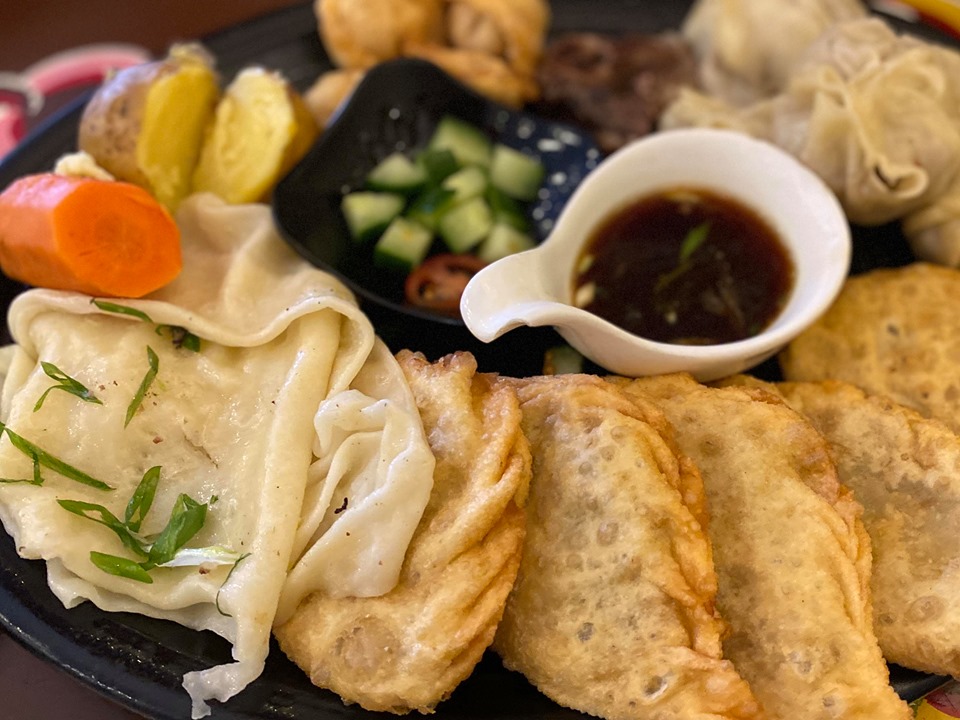
The two most popular types of Mongolian tea are Suutei Tsai and Boortsog Tsai. Suutei Tsai is a salty tea made with milk, salt, water, and tea leaves. It is often served with a side dish of dumplings, meat, or bread. Boortsog Tsai is a sweet tea made with milk, sugar, water, and tea leaves. It is usually served as a dessert or a snack.
Preparation and Serving of Mongolian Tea
The preparation and serving of Mongolian tea is an art form. Traditionally, tea is made in a large pot called a buuz. The tea leaves are boiled with water and then strained into a separate container. The tea is then mixed with milk, salt, or sugar, depending on the type of tea. When serving tea, it is customary to pour it from a height, creating a frothy layer on top.
Significance of Mongolian Tea in Culture
Mongolian tea is an important part of Mongolian culture, and it plays a significant role in social gatherings. It is often served as a symbol of hospitality and respect. Tea ceremonies are common during special occasions such as weddings, funerals, and festivals. During these ceremonies, tea is served to guests as a gesture of goodwill and appreciation.
Conclusion: The Importance of Mongolian Tea
Mongolian tea is more than just a beverage; it is a symbol of Mongolian culture and tradition. It has a long history in the country and remains an integral part of daily life. Mongolian tea is known for its unique taste and aroma, and it is a testament to the creativity and ingenuity of the Mongolian people. Through the centuries, Mongolian tea has maintained its significance in culture, and it continues to be a source of pride for the Mongolian people.


Facebook Comments