 John Myers

Introduction: Cantonese Cuisine and Its Influence
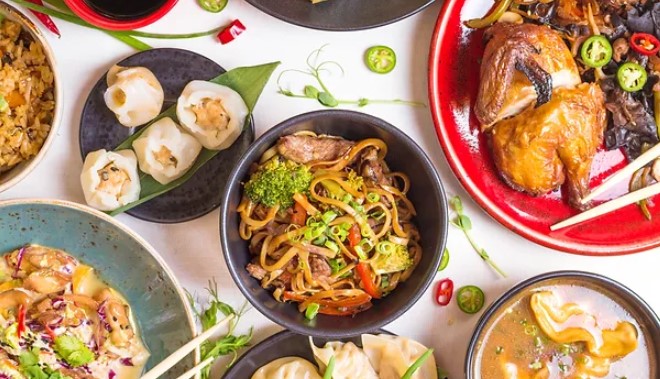
Cantonese cuisine is one of the most popular and well-known types of Chinese food. Originating from the southern province of Guangdong, Cantonese cuisine has been heavily influenced by the region’s tropical climate, abundant seafood, and proximity to Hong Kong. Cantonese cuisine has also been influenced by foreign cultures, including Portuguese, who introduced spices and herbs such as curry and turmeric. Cantonese cuisine is known for its delicate flavors and emphasis on freshness, with dishes often featuring seafood, vegetables, and rice. Cantonese cuisine is also famous for its dim sum, a meal consisting of small dishes served with tea, which has become popular worldwide.
The Origins and Ingredients of Cantonese Cuisine
Cantonese cuisine has a long history dating back to the Qin dynasty, over 2,000 years ago. The region’s tropical climate and proximity to the Pearl River Delta have influenced the use of seafood and vegetables in Cantonese cuisine. Cantonese cuisine also features ingredients such as rice, noodles, and soy sauce that are staples in Chinese cuisine. Cantonese cuisine is known for its emphasis on fresh ingredients and simple cooking techniques that bring out the natural flavors of the ingredients.
Cantonese cuisine also utilizes a wide range of meats, including chicken, pork, beef, and duck. Seafood is also a prominent ingredient in Cantonese cuisine, with dishes like steamed fish, shrimp dumplings, and crab meat soup being popular. Cantonese cuisine also features a variety of vegetables, including bok choy, Chinese broccoli, and watercress. Herbs and spices like ginger, garlic, and green onion are also common seasoning ingredients. Cantonese cuisine also includes soy sauce, oyster sauce, and hoisin sauce as essential condiments.

Facebook Comments