 Robert Zelesky

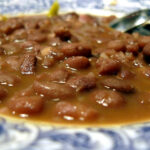
Cocido Madrileño, or Madrid Stew, is one of Spain’s most beloved and traditional dishes. This rich and hearty stew, a staple in Spanish homes, especially during the colder months, offers a delightful blend of meats, vegetables, and chickpeas. Known for its comforting flavors and nourishing qualities, Cocido Madrileño is a true reflection of Madrid’s culinary heritage. In this article, we will explore the history of this iconic dish, list the essential ingredients, and provide a detailed recipe to help you create this comforting stew at home.
History and Origin
Cocido Madrileño has its roots in the humble kitchens of Madrid and surrounding regions. The dish likely evolved from a medieval Spanish stew known as olla podrida, which featured a mix of meats and vegetables. Over time, Cocido Madrileño became a popular meal among the working class due to its ability to use inexpensive and accessible ingredients while providing substantial nourishment. The stew was traditionally cooked slowly over a low fire, allowing the flavors to meld together, and was often enjoyed over several courses.
Ingredients
To prepare Cocido Madrileño, you will need the following ingredients:
- 1 lb (450g) dried chickpeas (garbanzos)
- 1 lb (450g) beef shank or stewing beef, cut into chunks
- 1 lb (450g) pork belly, cut into chunks
- 1 chorizo sausage, sliced
- 1 morcilla (blood sausage), sliced
- 1 ham bone or pork knuckle
- 1/2 lb (225g) chicken thighs or drumsticks
- 1 large onion, peeled
- 2 cloves of garlic, peeled
- 2 carrots, peeled and cut into large pieces
- 2 potatoes, peeled and cut into chunks
- 1 cabbage, quartered
- 1 leek, cleaned and cut into large pieces
- 1 turnip, peeled and cut into chunks
- Salt and black pepper to taste
- Olive oil
- Water
Preparation
1. Preparing the Chickpeas: Start by soaking the dried chickpeas in water overnight. Drain and rinse them before cooking. Soaking the chickpeas helps to soften them and reduce cooking time.
2. Cooking the Meat and Chickpeas: In a large pot or Dutch oven, place the beef shank, pork belly, ham bone, and chicken pieces. Cover with water and bring to a boil. Skim off any foam that rises to the surface. Add the soaked and drained chickpeas, onion, and garlic to the pot. Season with salt and black pepper. Reduce the heat to low, cover, and simmer for about 2 hours, or until the meats are tender and the chickpeas are cooked through.
3. Adding the Vegetables: Once the meats and chickpeas are cooked, add the carrots, potatoes, leek, turnip, and cabbage to the pot. Continue to simmer for another 30-40 minutes, or until the vegetables are tender.
4. Cooking the Sausages: In a separate skillet, heat a small amount of olive oil over medium heat. Add the chorizo and morcilla slices and cook until browned. This step ensures that the sausages don’t fall apart in the stew and adds extra flavor.
5. Combining and Serving: Add the browned chorizo and morcilla to the stew during the last 10 minutes of cooking. Adjust seasoning with salt and black pepper if necessary. Traditionally, Cocido Madrileño is served in multiple courses. First, the broth is strained and served as a soup, often with small pasta added. Next, the chickpeas and vegetables are served, followed by the meats and sausages. Alternatively, you can serve everything together in one hearty bowl.
Tips and Variations
- Bread and Alioli: Serve Cocido Madrileño with crusty bread and a side of alioli (garlic mayonnaise) for an authentic touch.
- Leftovers: This stew tastes even better the next day as the flavors have more time to meld. Store leftovers in the refrigerator and reheat gently.
- Pasta Option: Add a handful of small pasta shapes, such as fideos or vermicelli, to the broth for an extra layer of texture and heartiness.
- Vegetarian Version: For a vegetarian twist, replace the meats with additional vegetables like zucchini, bell peppers, and green beans, and use vegetable broth instead of water.
Conclusion
Cocido Madrileño is more than just a stew; it is a culinary tradition that brings warmth and comfort to the table. This dish, deeply rooted in Madrid’s history, showcases the essence of Spanish home cooking with its rich flavors and simple ingredients. By following this recipe, you can recreate the magic of Cocido Madrileño in your own kitchen, savoring the robust taste and hearty goodness that has made it a beloved classic. Enjoy this delightful stew with family and friends, and experience a true taste of Madrid.


Facebook Comments