 John Myers
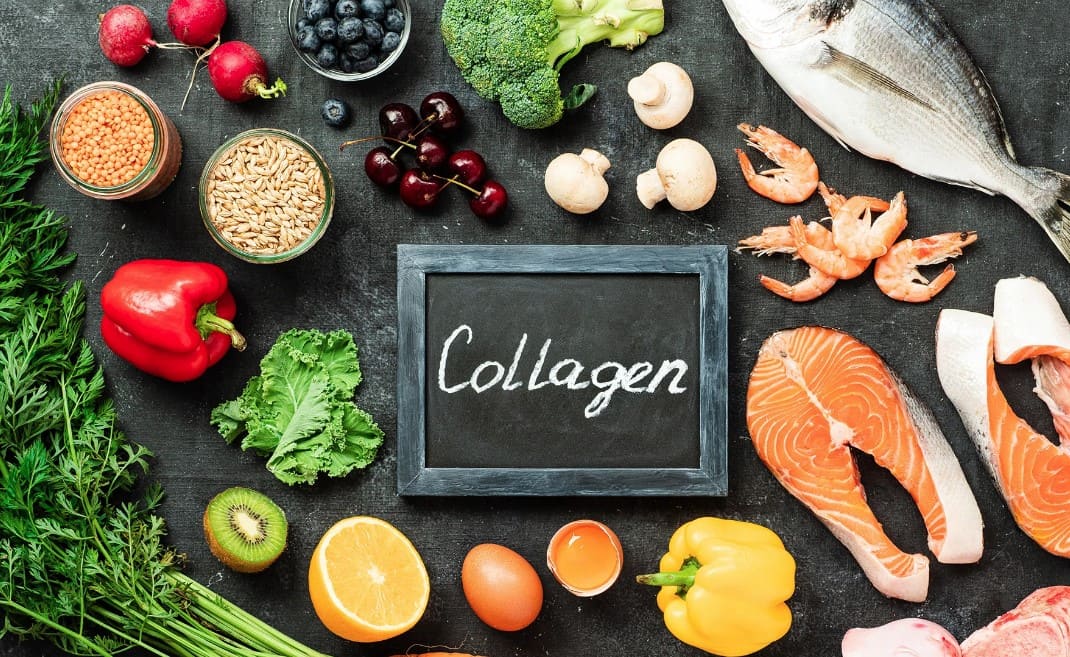
In skin care, collagen is used to tighten and smooth wrinkles. It is, therefore, reasonable to assume that a diet with collagen also has an effect on the skin and health in general. Read below to find out whether this is true and where the protein is found.
How does collagen work in food?
In care products such as creams and masks, collagen is used as a beauty ingredient and is primarily used as a moisturizer to prevent wrinkles. A tightening effect, on the other hand, is not detectable because the protein molecule does not penetrate into the deeper layers of the skin. Dietary supplements such as collagen capsules and drinks are intended to overcome this barrier and have an internal effect. But here, too, an improvement in the complexion or a firmer structure of the hair through collagen has not been scientifically proven. Although studies show the smallest changes in the elasticity of the skin, these are negligible. The consumer center therefore sees no reason to artificially integrate collagen into the diet. On the other hand, there is nothing to be said against eating foods with a lot of collagen.
Collagen is good, a balanced diet is better
In combination with other measures such as sufficient exercise in the fresh air and sleep, a collagen-rich diet will keep you beautiful inside and out. It is important not to look at individual care measures and eating habits in isolation, but as a whole. Instead of only pushing for an anti-aging diet with collagen, you should always put together an overall package for your well-being. If you eat a varied, balanced diet and as much fresh, unprocessed food as possible, you are on the right track. Drink plenty of fluids, as this will keep your skin moisturized from the inside.
Collagen is found in these foods
Collagen is a natural component of skin, connective tissue, cartilage, and bones and the most common protein molecule in the body. Collagen plays a correspondingly large role in meat products. But other protein sources such as milk, dairy products, fish, and eggs also provide protein and thus collagen. Legumes, grain products, nuts, and seeds are the main sources of vegetable protein. Good news for those with a sweet tooth: Even sweets can add value to the balance sheet because gummy bears contain gelatine, which in turn supplies collagen. So making your diet rich in collagen and meeting your body’s needs is usually not a problem. By the way: Vitamin C contributes to normal collagen formation. So drink a glass of orange juice with your meat meal or eat a fruit salad for dessert.



Facebook Comments