 John Myers
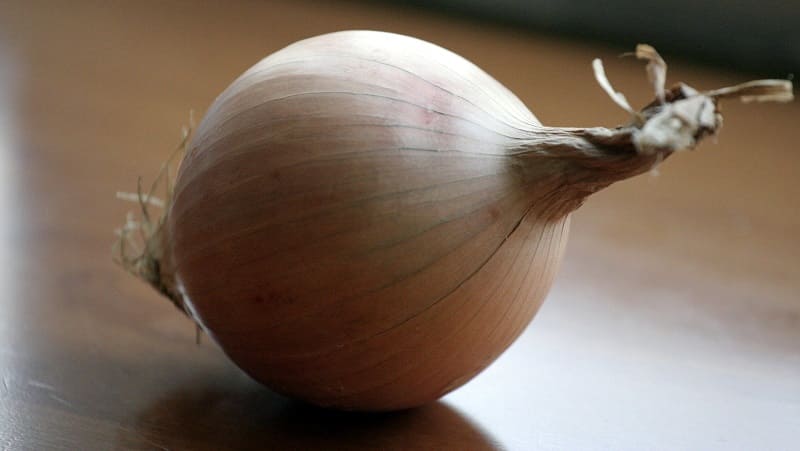
The difference between onions and shallots isn’t just size and flavor. The two similar varieties from the onion family should also be used differently.
Differences between onions and shallots at a glance
At first glance, shallots and onions look very similar. No wonder, because both come from the same family and belong to the leek genus. But there are important differences:
- Appearance : Shallots are smaller and more elongated than onions. Shell color may vary. There are green-purple, red, pink, purple, white, gray and yellow shallots. Onions, on the other hand, are rounder, white on the inside with a brown skin.
- Flavor : The shallot tastes slightly sweet and is milder, but when fried it can quickly become bitter. However, the sharper aroma of the onions only unfolds when they are fried. In general, it tastes stronger.
- Preparation : As already mentioned, the onion has a sharper aroma. Because of its sulphur-containing ingredients, the typical tearing of the eyes occurs when cutting. This is less the case with the milder shallot. However, they have a much thinner skin than onions, which means that they take longer to peel.
- Use : Onions are suitable for (hot) frying, so they are well suited for stir-fries, soups or as a basis for sauces. Shallots are better eaten raw or lightly steamed in salads, marinades, or as a topping. Then they cannot become bitter.
Nutrients and health benefits of onion varieties
In addition to the differences, there are also similarities between the two types of onions. For example, both are considered very healthy.
- Shallots and onions contain many valuable nutrients. They contain vitamin C and B vitamins as well as minerals such as potassium
- The outer shell in particular contains vitamins that support the immune system.
- They also have an antibacterial and anti-inflammatory effect. Therefore, regular consumption is good for the heart.
- Onions are good for digestion due to the fiber they contain, especially indigestible prebiotics.


Facebook Comments