 John Myers
Introduction: The Rich Flavors of South Indian Cuisine
South Indian cuisine is known for its aromatic spices, rich flavors, and diverse range of vegetarian and non-vegetarian dishes. It is a reflection of the region’s history, culture, and geography, with every state having its own unique culinary identity. South Indian cuisine has gained immense popularity across the world, with its popularity increasing by the day.
The cuisine is characterized by its use of coconut, curry leaves, tamarind, mustard seeds, and a range of spices that lend it a distinct flavor profile. It is a cuisine that caters to a wide variety of tastes, from the mild to the fiery, making it a favorite among food lovers worldwide.
Understanding the Key Ingredients of South Indian Cooking
South Indian cuisine is known for its use of fresh herbs and spices, which give it its distinct flavor profile. Some of the key ingredients used in South Indian cooking include coconut, curry leaves, tamarind, mustard seeds, and a range of spices like cumin, coriander, cinnamon, and cardamom. Coconut is an essential ingredient in South Indian cuisine and is used in both grated and milk forms. It is used to make chutneys, curries, and desserts.
Curry leaves are another essential ingredient in South Indian cooking. They are used to add flavor to dishes and are often used in tempering. Tamarind is used to add a sour flavor to dishes and is used in a range of dishes like sambar and rasam. Mustard seeds are used for tempering and add a distinct flavor to dishes. A range of spices like cumin, coriander, cinnamon, and cardamom are used to add depth and complexity to dishes.
The Influence of Geographical Factors on South Indian Cuisine
The geography of South India plays a significant role in determining the cuisine of the region. The region’s coastal areas have a cuisine that is rich in seafood, coconut, and spices, while the interior regions have a cuisine dominated by rice, lentils, and vegetables. Similarly, the cuisine of Kerala is influenced by the state’s abundant coconut groves, while the cuisine of Andhra Pradesh is known for its use of hot chilies and spices.
The cuisine of South India is also influenced by the region’s history and culture. The region has a rich history of trading with other cultures, and this has resulted in the incorporation of ingredients and cooking styles from different regions. For example, the Chettinad cuisine of Tamil Nadu is influenced by the region’s trading history with Southeast Asia, resulting in a cuisine that is rich in spices and flavors.
Traditional South Indian Dishes: A Culinary Journey
South Indian cuisine is a treasure trove of traditional dishes that have stood the test of time. Some of the popular traditional dishes include dosa, idli, sambar, rasam, appam, and vada. Dosa is a popular breakfast dish made from fermented rice and lentil batter and is often served with a range of chutneys and sambar.
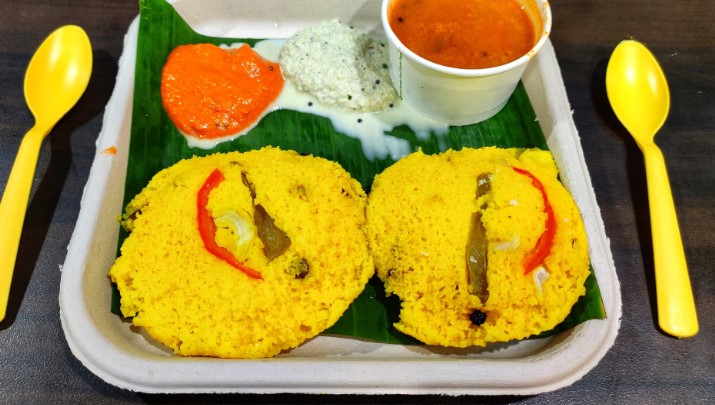
Idli is another popular breakfast dish made from fermented rice and lentil batter and is often served with coconut chutney and sambar. Sambar is a lentil-based vegetable stew that is a staple in South Indian cuisine. Rasam is a spicy tomato-based soup that is often served as a digestive aid.
South Indian Vegetarian Cuisine: Simple yet Flavorful
South Indian cuisine is known for its range of vegetarian dishes that are simple yet flavorful. Vegetables and lentils play a significant role in South Indian vegetarian cuisine, and dishes like avial, poriyal, and kootu are popular among food lovers. Avial is a mixed vegetable dish that is cooked in coconut milk, while poriyal is a dry vegetable dish that is seasoned with mustard seeds and curry leaves. Kootu is a lentil and vegetable stew that is flavored with coconut and spices.
Non-Vegetarian Delights: A Spicy Affair
South Indian cuisine is not just limited to vegetarian dishes; it also has a range of non-vegetarian dishes that are a spicy affair. Chicken, mutton, and fish are popular in South Indian non-vegetarian cuisine, and dishes like chicken chettinad, mutton biryani, and fish curry are popular among food lovers. Chicken chettinad is a spicy chicken curry that is flavored with a range of spices, while mutton biryani is a rice-based dish that is flavored with a range of aromatic spices.
Fish curry is a popular dish in South Indian coastal areas and is made with a variety of fish cooked in a spicy tamarind-based sauce.
The Role of Spices in South Indian Cooking
Spices play a significant role in South Indian cooking, and they are used to add depth and complexity to dishes. Some of the popular spices used in South Indian cooking include cumin, coriander, cinnamon, and cardamom. Turmeric, red chili powder, and black pepper are also commonly used.
The art of blending spices is crucial to South Indian cooking, and the use of fresh spices is encouraged. The spices are often roasted before being ground to release their flavors and aromas.
South Indian Street Food: A Gastronomic Adventure
South Indian street food is a gastronomic adventure, with dishes like vada pav, masala dosa, and pani puri being popular among food lovers. Vada pav is a spicy potato fritter sandwiched between two slices of bread, while masala dosa is a crispy crepe filled with a spicy potato filling.
Pani puri is a popular street food snack made from a hollow, crispy pastry shell filled with a spicy tangy mixture of potato, chickpeas, and tamarind chutney.
Finding Authentic South Indian Cuisine Near You
Finding authentic South Indian cuisine near you is easier than ever before, with many restaurants offering traditional dishes. Look for restaurants that use fresh ingredients and follow traditional cooking methods. You can also explore the neighborhood’s ethnic markets and grocery stores to find traditional South Indian ingredients.
Conclusion: Embracing the Diversity of South Indian Cuisine
South Indian cuisine is diverse and rich in flavor, reflecting the region’s history, culture, and geography. It is a cuisine that caters to a wide range of tastes, from the mild to the spicy, and offers a range of vegetarian and non-vegetarian dishes. By embracing the diversity of South Indian cuisine, you can embark on a culinary journey that is both delicious and satisfying.


Facebook Comments