 John Myers
Introduction: The World of Indian Snacks
Indian cuisine is well-known for its diverse range of flavorful and spicy dishes. However, often overlooked are the equally delicious and diverse range of Indian snacks. Whether it’s the famous samosas or lesser-known snacks, the world of Indian snacks is a treat worth exploring.
Indian snacks are typically served as appetizers or as a light meal, and each region in India has its unique snacks that reflect the local culture and ingredients. From street food to fine dining, Indian snacks offer a burst of flavors and spices that are sure to tantalize your taste buds.
Exploring the Diversity of Indian Snacks
Indian snacks are not just limited to savory dishes like pakoras or chaat; there are also plenty of sweet snacks like laddoos and barfis. Each snack offers a unique combination of flavors and textures.
For instance, the famous Mumbai street food, vada pav, consists of a deep-fried potato fritter sandwiched between a bread roll, served with a spicy chutney. On the other hand, a sweet snack like rasgulla consists of spongy cheese balls soaked in sweet syrup. The diversity of Indian snacks is a reflection of the country’s rich culinary heritage.
The Origins of Indian Snacks and Their Flavors
Indian snacks have a long history, with some snacks dating back to ancient times. The spices and flavors used in Indian snacks are a reflection of the country’s trade relations with other countries such as China, Portugal, and Britain. For example, the use of chilli powder and turmeric in snacks like bhajiya and samosas was influenced by the Portuguese.
The flavors in Indian snacks can range from sweet to spicy, sour to tangy, and are a product of the local ingredients used. For instance, snacks from the coastal regions of India often use coconut and seafood, while snacks from the north use dairy and wheat flour.
Your Go-To Guide for Discovering Indian Snacks
The best way to discover Indian snacks is to explore the local street food markets and restaurants. Look for vendors selling snacks like samosas, bhajiya, and vada pav. You can also ask for recommendations from locals or restaurant staff.
Another way to discover Indian snacks is to attend food festivals and fairs where vendors showcase a range of snacks from different regions of India. You can also research online and find recipes to recreate your favorite Indian snacks at home.
Top Indian Snacks You Need to Try in Your Area
If you’re new to Indian snacks, here are some must-try snacks that you can find in most Indian restaurants and markets:
- Samosas – Deep-fried pastry stuffed with spiced potatoes, peas, or meat.
- Bhajiya – Deep-fried vegetables coated in a batter made of chickpea flour.
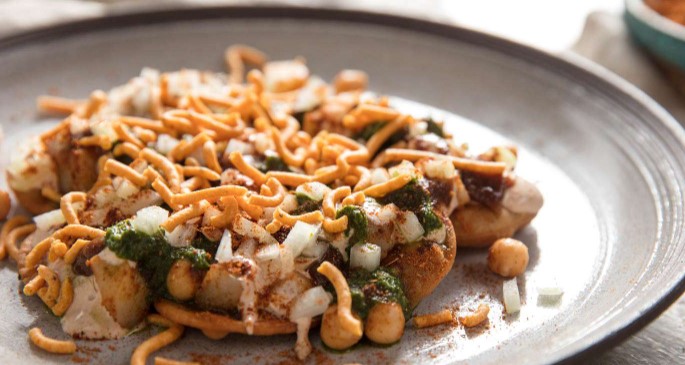
- Chaat – A savory snack that combines crispy fried dough with potatoes, chickpeas, and tangy chutneys.
- Vada Pav – A popular street food from Mumbai consisting of a deep-fried potato fritter sandwiched between a bread roll.
- Dosa – A crispy, savory crepe made from fermented rice and lentil batter.
Getting to Know the Ingredients in Indian Snacks
The key to understanding Indian snacks is to familiarize yourself with the local ingredients used. Spices like cumin, turmeric, and coriander are commonly used in Indian snacks, as are ingredients like besan (chickpea flour), paneer (cottage cheese), and ghee (clarified butter).
By getting to know the ingredients used in Indian snacks, you’ll be able to identify the flavors and textures in different dishes, and even recreate your favorites at home.
How to Prepare Delicious Indian Snacks at Home
Preparing Indian snacks at home is easier than you think. There are plenty of online resources available that offer step-by-step instructions and video tutorials on how to make your favorite Indian snacks.
Ingredients like besan, cumin, and turmeric can be found at most grocery stores. You can also experiment with different fillings and spices to create your unique twist on classic Indian snacks.
The Health Benefits of Indian Snacks
Many Indian snacks are made using healthy ingredients like vegetables, pulses, and spices, making them a nutritious addition to your diet. Snacks like paneer tikka and tandoori chicken are rich in protein, while snacks like samosas and bhajiya are high in fiber.
However, some Indian snacks can be high in calories and fat due to their deep-frying process. It’s best to enjoy Indian snacks in moderation as part of a balanced diet.
Pairing Indian Snacks with Beverages for the Ultimate Taste
Pairing Indian snacks with the right beverages can enhance their flavors and create a unique taste experience. For instance, pairing chaat with a cold glass of lassi (a yogurt-based drink) can balance out the spices in the chaat.
Pairing samosas with a hot cup of masala chai can bring out the flavors of the spices used in the samosas. Experiment with different beverage pairings to find your perfect match.
Conclusion: The Joy of Savoring Indian Snacks with Friends and Family
Indian snacks offer a world of flavors and spices that are worth exploring. Whether you’re enjoying street food or fine dining, Indian snacks are a treat that should be savored with friends and family.
By exploring the diversity of Indian snacks and familiarizing yourself with the ingredients and flavors, you’ll be able to appreciate the rich culinary heritage of India. So, grab some friends, head to your local Indian restaurant, and start exploring the world of Indian snacks today.



Facebook Comments