 John Myers
Uncovering the Wonders of Brazilian Cuisine
Brazilian cuisine is a fusion of indigenous, African, and European cultures, which resulted in a rich and diverse culinary heritage. The country’s vast territory and diverse climate offer a wide variety of ingredients and flavors, making it a culinary paradise for food lovers worldwide.
Brazilian cuisine is characterized by its bold and colorful flavors, including the use of spices, herbs, and tropical fruits. It’s a cuisine that celebrates the beauty of simplicity, where the quality of the ingredients and the cooking techniques are given the utmost importance.
Dive into the Rich and Diverse Flavors of Brazil
Brazilian cuisine is a melting pot of flavors, influenced by the country’s diverse regions and cultures. From the delicate flavors of the Amazon rainforest to the spicy and aromatic dishes of the Northeast, there’s a flavor to suit every palate.
The cuisine is renowned for its love of meat, especially beef, which is grilled to perfection and served with rice and beans, the staple of Brazilian cuisine. Seafood is also a popular ingredient, especially in coastal regions, where fresh fish and seafood are abundant. And let’s not forget the national obsession with the humble bean, which is used in a myriad of dishes, from the famous feijoada to the humble bean stew.
Let’s Talk About the Basics: Brazilian Cooking Techniques
Brazilian cooking techniques are influenced by indigenous, African, and European cultures. The cuisine is characterized by its slow-cooking methods, where ingredients are cooked over low heat for several hours, resulting in tender and flavorful dishes.
Grilling is also a popular cooking technique, especially in the South of Brazil, where churrasco, or barbecued meat, is a culinary art form. Another popular method is frying, where ingredients are lightly battered and fried until crispy and golden brown.
Exploring the Regional Cuisines of Brazil
Brazil is a vast country with diverse regions, each with its unique cuisine. The Amazon rainforest is a treasure trove of exotic ingredients, such as acai berries, pirarucu fish, and manioc flour. The Northeast is known for its spicy and aromatic dishes, including moqueca, a seafood stew, and acaraje, a deep-fried bean cake. The South is famous for its meat dishes, especially churrasco, while the Southeast is home to the iconic feijoada, a hearty bean stew.
From Feijoada to Brigadeiro: Iconic Brazilian Dishes
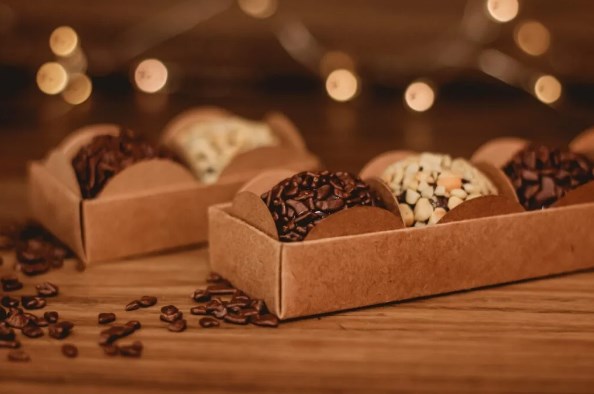
Brazilian cuisine is famous for its iconic dishes, including the feijoada, a hearty bean stew made with meat, beans, and vegetables. Brigadeiro, a chocolate truffle made with condensed milk, is another famous Brazilian sweet. Other iconic dishes include moqueca, a seafood stew, and acaraje, a deep-fried bean cake.
The Role of Ingredients in Traditional Brazilian Cuisine
Brazilian cuisine is all about using fresh and natural ingredients. Rice and beans are the staple of Brazilian cuisine, accompanied by meat, fish, or vegetables. Other popular ingredients include cassava, coconut, palm oil, and tropical fruits like mango, pineapple, and passion fruit.
The Influence of Indigenous, African and European Cultures
Brazilian cuisine is a melting pot of indigenous, African, and European cultures. The indigenous people introduced ingredients like cassava, manioc flour, and acai berries. The Africans brought their love of spices and introduced ingredients like palm oil and coconut milk. The Europeans brought their cooking techniques and introduced ingredients like beef and wheat flour.
Brazilian Street Food: A Journey Through Taste and Smell
Brazilian street food is a culinary adventure, where the aroma of sizzling meat, spices, and herbs fills the air. From tapioca crepes and coxinha to churros and pastel, Brazilian street food is a journey through taste and smell that will leave you wanting more.
Embracing Healthy Eating Habits with Brazilian Superfoods
Brazilian cuisine is not only delicious, but it’s also healthy. Many of the ingredients used in Brazilian cuisine are considered superfoods, like acai berries, quinoa, and chia seeds. These ingredients are packed with nutrients and are a great addition to a healthy diet.
The Art of Pairing Brazilian Dishes with Wines and Cocktails
Brazilian cuisine is best enjoyed with a glass of wine or a cocktail. The acidity and spiciness of Brazilian cuisine pair well with lighter wines like Pinot Noir or Sauvignon Blanc. Cachaca, a Brazilian spirit made from sugar cane, is the base for the famous Caipirinha cocktail, a refreshing drink made with lime, sugar, and ice. Pair it with a plate of feijoada or a bowl of moqueca for the ultimate Brazilian culinary experience.


Facebook Comments