 John Myers
Introduction: Australian Beef Industry
The Australian beef industry is renowned for its top-quality meat and sustainable farming practices. With over 45,000 cattle farms, Australia produces some of the best beef in the world. The industry employs over 200,000 people and is worth over $17 billion annually.
Australian beef is known for its tender, juicy, and flavorful meat due to the country’s grass-fed cattle, which are raised on wide-open pastures with natural grazing. The industry is committed to sustainability, ensuring that cattle are raised in an ethical and environmentally friendly manner.
Quality Standards & Regulations
The Australian government has stringent quality standards and regulations in place to ensure that the country’s beef is of the highest standard. The industry’s meat grading system is based on the Meat Standards Australia program, which assesses the meat’s tenderness, juiciness, and flavor.
The Australian beef industry is also subject to strict food safety regulations, ensuring that the meat is free from harmful bacteria and chemicals. The industry’s quality standards and regulations give consumers peace of mind, knowing that they are consuming safe and high-quality meat.
Sustainable Farming Practices
The Australian beef industry is committed to sustainable farming practices, recognizing the importance of preserving the environment for future generations. The industry uses regenerative farming practices, such as rotational grazing, to minimize the impact on the environment.
Australian farmers also use advanced technologies, such as GPS tracking, to optimize their farming methods, reducing their carbon footprint. The industry’s commitment to sustainable farming practices ensures that the land is conserved, and the cattle are raised in an ethical and environmentally friendly manner.
Cattle Breeds & Characteristics
Australia has a diverse range of cattle breeds, each with unique characteristics that contribute to the quality of the beef. The most common breeds in Australia are the Angus, Hereford, and Shorthorn.
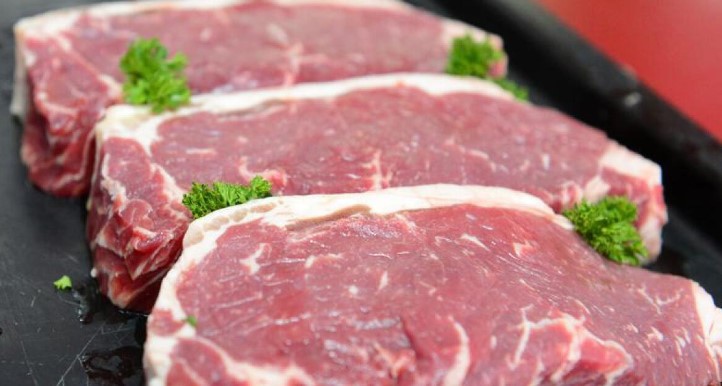
Australian beef is known for its marbling, which is the distribution of fat within the meat, contributing to its tenderness and flavor. The industry’s focus on breeding and genetics ensures that the beef is of a consistently high standard.
Grass-Fed vs Grain-Fed Beef
Australia is renowned for its grass-fed beef, which is raised on natural pastures and is lower in saturated fats and higher in healthy omega-3 fats. Grain-fed beef, on the other hand, is finished on a diet of grains, which results in higher marbling and tenderness.
Both types of beef have their benefits, and the Australian beef industry produces both. However, the industry’s focus on grass-fed beef aligns with its commitment to sustainable and ethical farming practices.
Traceability & Food Safety
The Australian beef industry has a robust traceability system, which ensures that the meat can be traced from farm to fork. The National Livestock Identification System (NLIS) requires that all cattle are tagged, allowing for full traceability.
The industry’s focus on traceability and food safety ensures that consumers can trust the meat they are consuming. The system also allows for full transparency, giving consumers access to information about the meat’s origin and farming practices.
Environmental Impact & Conservation
The Australian beef industry is aware of its environmental impact and is committed to minimizing it. The industry uses sustainable farming practices, reducing the impact on the environment.
The industry also invests in conservation programs, such as the Australian Wildlife Conservancy, to protect the land and biodiversity. The industry’s commitment to environmental conservation ensures that the land and wildlife are preserved for future generations.
Export Markets & Trade Agreements
The Australian beef industry is a significant contributor to the country’s export market. The industry exports to over 100 countries, with the largest markets being Japan, the United States, and South Korea.
The industry’s focus on quality and sustainability makes it an attractive option for international markets. Australia has several trade agreements in place, such as the Comprehensive and Progressive Agreement for Trans-Pacific Partnership (CPTPP), allowing for easier access to international markets.
Awards & Recognition
The Australian beef industry has received numerous awards and recognition for its quality and sustainability. The industry’s Meat Standards Australia program has won several awards, including the 2018 World Steak Challenge.
The industry’s commitment to sustainability has also been recognized, with several Australian farmers receiving the National Carbon Cocky Award. These awards and recognition showcase the industry’s dedication to producing high-quality and sustainable beef.
Conclusion: Why Choose Australian Beef
Australian beef is known for its quality, sustainability, and commitment to ethical farming practices. The industry’s focus on grass-fed beef and sustainable farming ensures that the meat is of the highest standard.
Consumers can trust that the beef they are consuming is safe, healthy, and environmentally friendly. Choosing Australian beef is not only a delicious option but also a responsible choice for the environment and future generations.


Facebook Comments