 John Myers
Introduction: Exploring the Richness of Brazilian Cuisine
Brazilian cuisine is a melting pot of flavors, textures, and traditions, influenced by the country’s diverse regions, history, and cultures. From the Amazon rainforest to the beaches of Rio de Janeiro, from the pampas of the south to the northeast’s arid hinterland, Brazilian cuisine reflects the country’s vastness and richness. Discovering authentic Brazilian cuisine means immersing oneself in a world of aromas, spices, and colors, exploring the stories and customs behind each dish, and embracing the authenticity of this gastronomic heritage.
Regional Diversity: Discovering Different Flavors and Traditions
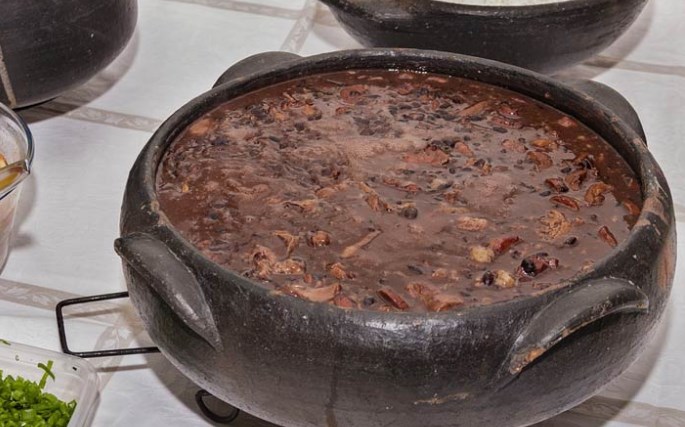
Brazil’s regional diversity plays a significant role in its cuisine, with each state and region featuring unique dishes, ingredients, and cooking methods. In the north, the Amazonian cuisine incorporates exotic fruits, fish, and spices, such as tucupi, a yellow sauce made from cassava, and jambu, a herb that numbs the mouth. In the northeast, the Bahian cuisine blends African, Indigenous, and Portuguese influences, resulting in spicy stews like moqueca and acarajé, a deep-fried bean cake filled with shrimp and vatapá. The southern states’ gaúcho cuisine features hearty meat dishes, such as churrasco barbecue and feijoada, a stew made with beans and various cuts of pork and beef.
Ingredients that Define Brazilian Cuisine: From Manioc to Guarana
Brazil’s tropical climate and fertile soil provide a vast diversity of ingredients that define its cuisine. One of the most emblematic is manioc, a starchy root used in various forms, such as farofa, a toasted flour used as a side dish, and tapioca, a gluten-free flour used in crepes and puddings. Another staple is guarana, a berry native to the Amazon that is used to make a refreshing soda and an energy drink. Other essential ingredients include palm oil, coconut milk, dendê oil, and fresh herbs and spices, such as coriander, cumin, and bay leaves.
Meat Dishes: How Barbecue Became a Cornerstone of Brazilian Cuisine
Brazil’s meat culture dates back to the indigenous tribes and the gaúcho cowboys who roamed the southern plains in the 18th and 19th centuries. Today, barbecue or churrasco is a cornerstone of Brazilian cuisine, featuring various cuts of beef, pork, chicken, and lamb prepared over open flames and served with sides like farofa, beans, and salads. One of the most famous types of churrasco is the rodizio, where waiters bring different cuts of meat to the table until the guests signal they are full.
Seafood Delicacies: From Moqueca to Shrimp Bobó
Brazil’s coastline stretches for over 7,400 kilometers, providing a rich array of seafood dishes. One of the most iconic is moqueca, a spicy fish stew cooked with coconut milk, dendê oil, and tomatoes, and served with rice and farofa. Another delicacy is shrimp bobó, made with a creamy sauce of cassava, coconut milk, and spices, and served with rice or mashed potatoes. Other seafood dishes include fried fish, grilled octopus, and crab stew.
Street Food: Tasting Brazilian Snacks and Appetizers
Brazil’s street food scene is vibrant and diverse, featuring a wide range of snacks and appetizers. One of the most popular is coxinha, a fried croquette filled with shredded chicken and cream cheese. Another favorite is pastel, a crispy pastry filled with cheese, meat, or vegetables. Other typical street foods include pão de queijo, a cheese bread made with tapioca flour, and acarajé, a fried bean cake filled with shrimp and spicy sauce.
Sweet Treats: Indulging in Brazilian Desserts and Sweets
Brazil’s sweet tooth is well-known, with a vast array of desserts and sweets that reflect its cultural diversity. One of the most famous is brigadeiro, a chocolate truffle made with condensed milk and cocoa powder, and rolled in sprinkles. Another favorite is beijinho, a coconut truffle similar to brigadeiro but coated with grated coconut. Other sweet treats include quindim, a custard made with egg yolks and coconut, and bolo de rolo, a thin cake rolled with guava jam.
Beverages: Learning About Caipirinha and Other Traditional Drinks
Brazil’s beverage culture is just as rich as its food, featuring traditional drinks that reflect the country’s history and customs. One of the most famous is caipirinha, a cocktail made with cachaça, lime, sugar, and ice, and served in a glass with a straw. Another emblematic drink is mate, a tea made with yerba mate leaves and hot water, drunk in a gourd with a metal straw. Other traditional beverages include guaraná soda, coconut water, and açaí juice.
The Influence of African and Indigenous Cultures on Brazilian Cuisine
Brazil’s cuisine is a testimony to the country’s diverse heritage, with strong influences from African and Indigenous cultures. The African diaspora brought spices, techniques, and ingredients that shaped dishes like feijoada, acarajé, and vatapá, while the Indigenous people introduced manioc, guarana, and other staples. Today, Afro-Brazilian and Indigenous cuisines are gaining recognition and showcasing the richness of these cultures.
Conclusion: Embracing the Authenticity of Brazilian Gastronomy
Discovering authentic Brazilian cuisine means going beyond the typical clichés and embracing the diversity and richness of this gastronomic heritage. From the street food stalls to high-end restaurants, from the north to the south, Brazilian cuisine offers a wealth of flavors, textures, and traditions that reflect the country’s history, geography, and people. By exploring the regional diversity, ingredients, meat and seafood dishes, street food, sweet treats, and beverages, one can truly appreciate the authenticity of Brazilian gastronomy.



Facebook Comments