 John Myers
Introduction: Brazilian sweet treats
When it comes to desserts, Brazil has a lot to offer. With a rich culinary heritage, the country has a variety of sweet treats that are not only delicious but also have an interesting history. These desserts often showcase the country’s diverse cultural influences, including Portuguese, African, and Indigenous flavors.
If you have a sweet tooth, exploring Brazilian desserts is a must. From creamy custards to coconut-based candies, the flavors of Brazil are sure to leave you wanting more. In this article, we will take a closer look at some of the most popular Brazilian desserts and what makes them unique.
Brigadeiros: The popular chocolate balls
Brigadeiros are a staple in Brazilian cuisine and are often found at celebrations and parties. These chocolate balls are made with condensed milk, cocoa powder, and butter, and rolled in chocolate sprinkles. Brigadeiros are easy to make and can be found in almost any bakery in Brazil.
The history of Brigadeiros is interesting. They were created in the 1940s during the Brazilian presidential campaign. A group of women who supported Brigadier Eduardo Gomes, a candidate who was running for president at the time, created these chocolates to raise funds for their candidate. Brigadeiros became so popular that they eventually became a part of Brazilian culture.
Quindim: The tasty coconut dessert
Quindim is a sweet, custard-like dessert that is made with egg yolks, sugar, and coconut. The dessert has a unique texture due to its high egg yolk content, and its bright yellow color comes from the egg yolks as well. Quindim is typically served chilled and is a popular dessert during the summer months.
Quindim has its origins in Portugal, where it is also popular. However, the Brazilian version of Quindim has a higher amount of coconut and a sweeter flavor. This dessert is often served at special occasions such as weddings, birthdays, and other celebrations.
Pudim de Leite: A creamy custard delight
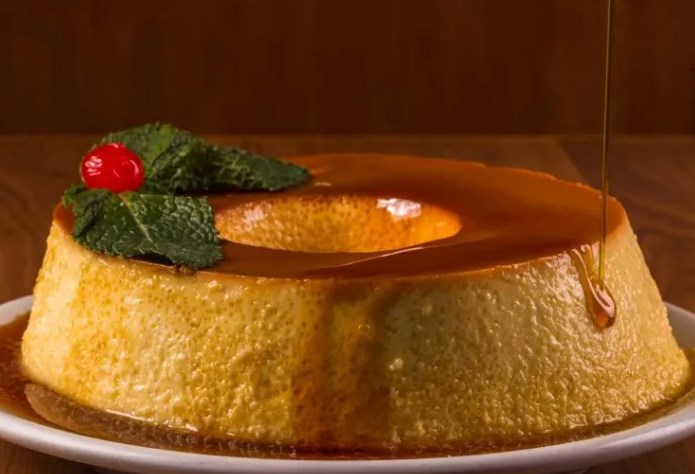
Pudim de Leite, or Brazilian Flan, is a sweet, creamy, and smooth dessert that is made with condensed milk, evaporated milk, eggs, and sugar. The dessert is similar to caramel custard and is a popular dessert in Brazil. Pudim de Leite is often served cold and is a great dessert during hot summer days.
Pudim de Leite has its roots in Portugal, where it is known as Flan. The recipe was introduced to Brazil during the colonial period and has since become a staple in Brazilian cuisine. This dessert is often served during family gatherings, especially during Christmas and Easter.
Beijinho de Coco: The coconut kiss dessert
Beijinho de Coco is a coconut-based candy that is popular in Brazil. It is made with condensed milk, coconut flakes, and butter, and is rolled in coconut flakes to create a small ball. The candy has a sweet and creamy flavor and is often served at parties and celebrations.
The name Beijinho de Coco means “Little Coconut Kiss” in Portuguese. The candy is often served at weddings and other special occasions, and it is believed to bring good luck to the bride and groom. Beijinho de Coco is easy to make and can be stored for a few days in an airtight container.
Bolo de Rolo: The rolled cake from Pernambuco
Bolo de Rolo is a traditional cake from Pernambuco, a state in northeastern Brazil. The cake is made with a thin layer of cake batter that is rolled with a layer of guava paste. The cake is then sliced into thin pieces, giving it a unique spiral shape. Bolo de Rolo has a sweet, fruity flavor and is often served with coffee or tea.
Bolo de Rolo has its origins in Portugal, where it is known as “Rolo de Doce”. However, the Brazilian version of the cake has a unique twist, with a layer of guava paste, which is a popular fruit in the region. Bolo de Rolo is often served during special occasions, such as weddings and birthdays.
Romeo and Juliet: The cheese and guava combo
Romeo and Juliet is a famous Brazilian dessert that combines two unlikely ingredients: cheese and guava paste. The dessert is made by combining slices of white cheese with guava paste. The combination of the sweet and tangy guava paste with the salty cheese creates a unique flavor that is loved by many.
The name Romeo and Juliet comes from the Shakespearean play and refers to the two contrasting flavors that come together to create a perfect union. This dessert is often served at breakfast or as a snack and can be found in most bakeries in Brazil.
Tapioca Pudding: The gluten-free sensation
Tapioca Pudding is a popular gluten-free dessert in Brazil. It is made by cooking tapioca pearls with coconut milk and condensed milk until it forms a creamy pudding. The dessert can be served hot or cold and is often topped with coconut flakes.
Tapioca Pudding has its roots in Indigenous cuisine and has been a part of Brazilian cuisine for centuries. The dessert is often served during the festivities of São João, a traditional Brazilian festival that celebrates the harvest season.
Cocada: The traditional coconut candy
Cocada is a traditional Brazilian candy that is made with shredded coconut and sugar. The candy has a sweet, chewy texture and is often flavored with ingredients such as cinnamon, cloves, and vanilla. Cocada is easy to make and can be found in most Brazilian markets and bakeries.
Cocada has its roots in African cuisine and was introduced to Brazil during the colonial period. The candy has since become a staple in Brazilian cuisine and is often served during special occasions such as weddings and birthdays.
Conclusion: Indulge in the flavors of Brazil
Brazil is a country with a rich culinary heritage, and its desserts are a testament to its diverse cultural influences. From Brigadeiros to Cocada, Brazilian desserts are sure to delight your taste buds. Whether you have a sweet tooth or are simply curious about Brazilian cuisine, exploring these desserts is a must. So go ahead and indulge in the flavors of Brazil, and discover the magic of these sweet treats.



Facebook Comments