 John Myers
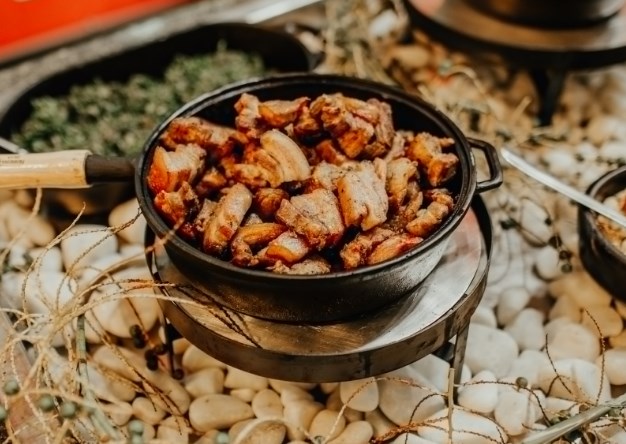
Introduction: Discovering Dish Brazil
Brazil is a country known for its vibrant culture, scenic beauty, and delicious cuisine. Brazilian cuisine is a reflection of the country’s diverse history, blending indigenous, African, and European flavors and techniques. Exploring the delicious world of Brazilian cuisine is an experience like no other, and it is a journey that is sure to tantalize your taste buds.
From the bustling streets of Rio de Janeiro to the lush forests of the Amazon, Brazil is a culinary paradise that offers a wide variety of dishes to suit every taste. Whether you are a meat lover or a vegetarian, a lover of sweet treats or a fan of savory dishes, Brazil has something to offer everyone. So join us on a culinary journey as we explore the rich history and diverse flavors of Brazilian cuisine.
History of Brazilian Cuisine
Brazilian cuisine is a melting pot of different cultural influences, shaped by centuries of colonization and migration. Indigenous tribes, European colonizers, and African slaves have all contributed to the development of Brazilian cuisine. The Portuguese brought new ingredients and cooking techniques with them, while African slaves introduced their own spices and cooking styles. Indigenous tribes also played a significant role in shaping Brazilian cuisine, with their use of local ingredients and techniques.
Over time, these various influences blended together, creating a unique cuisine that reflects the country’s diverse cultural heritage. Today, Brazilian cuisine is known for its bold flavors, use of spices, and emphasis on fresh ingredients. Some of the most famous dishes include feijoada, a hearty stew made with black beans and meat, and churrasco, a type of barbecue that is famous throughout the country.
Common Ingredients in Brazilian Food
Brazilian cuisine is characterized by its use of fresh, seasonal ingredients. The country’s rich soil and favorable climate make it possible to grow a wide variety of fruits, vegetables, and grains. Some of the most common ingredients in Brazilian cuisine include rice, beans, maize, cassava, and yams. Fresh fruits like mangoes, papayas, and passionfruit are also widely used in Brazilian dishes.
Meat is also an important part of Brazilian cuisine, with many dishes featuring beef, pork, and chicken. Seafood is also popular, with fish and shellfish commonly used in coastal regions. Spices like cumin, coriander, and chili peppers are used to add flavor and heat to dishes, while herbs like parsley and cilantro add freshness and aroma.
Regional Cuisines of Brazil
Brazil is one of the largest countries in the world, and its vast size and diverse landscape have led to the development of a wide range of regional cuisines. Each region has its own unique culinary traditions and specialties, shaped by local ingredients and cultural influences.
In the south of Brazil, for example, you will find a cuisine that is heavily influenced by German and Italian immigrants. This region is known for its hearty meat dishes, such as churrasco and galeto, which are often served with traditional German sausages and Italian pasta. In the northeast, you will find a cuisine that is heavily influenced by African and indigenous traditions. Dishes like acarajé, a deep-fried bean fritter, and moqueca, a seafood stew made with coconut milk, are popular in this region.
Street Food Culture in Brazil
Street food is a big part of Brazilian culture, and you will find vendors selling everything from snacks and drinks to full meals on the streets of Brazil’s cities and towns. Some of the most popular street foods include coxinha, a deep-fried chicken croquette, and pastel, a deep-fried pastry filled with meat or cheese.
In addition to traditional street foods, you will also find a wide range of fusion dishes that combine Brazilian ingredients with international flavors. For example, you might find a hot dog served with Brazilian-style toppings like corn, peas, and potato sticks.
Classic Brazilian Dishes to Try
No culinary journey to Brazil would be complete without sampling some of the country’s classic dishes. Feijoada, a black bean and meat stew, is often considered the national dish of Brazil. Churrasco, a type of barbecue that is famous throughout the country, is another must-try dish.
Other classic Brazilian dishes include pão de queijo, a cheesy bread that is popular for breakfast, and brigadeiro, a chocolate truffle that is popular for dessert. Don’t forget to try some of the country’s exotic fruits, such as açaí, guava, and cupuaçu, which are often used in desserts and drinks.
Vegetarian and Vegan Options in Brazil
Brazilian cuisine is often associated with meat dishes, but there are plenty of vegetarian and vegan options to try as well. One popular vegetarian dish is moqueca de banana, a stew made with bananas and coconut milk. Another popular option is feijoada vegetariana, which is made with black beans and a variety of vegetables instead of meat.
Many street vendors also offer vegetarian and vegan options, such as falafel and tofu burgers. And don’t forget to try some of the country’s delicious fresh fruits and vegetables, which are often used in salads and smoothies.
Popular Brazilian Beverages
Brazil is known for its lively nightlife, and its vibrant bar and club scene is complemented by a wide range of delicious beverages. One of the most popular drinks is caipirinha, a cocktail made with cachaça, lime, and sugar. Other popular cocktails include the batida, a fruity drink made with cachaça and fruit juice, and the quentão, a hot drink made with spices and cachaça.
Non-alcoholic beverages are also popular in Brazil, with fresh fruit juices and smoothies widely available. Coconut water is another popular drink, and it is often sold fresh from street vendors.
Traditional Brazilian Desserts
Brazil is famous for its sweet treats, and there are plenty of traditional desserts to try. Brigadeiro, a chocolate truffle made with condensed milk and cocoa powder, is a classic Brazilian dessert that is loved by locals and visitors alike. Another popular dessert is pudim de leite, a creamy caramel flan that is often served after dinner.
Other popular desserts include bolo de cenoura, a carrot cake that is often served with chocolate frosting, and quindim, a sweet coconut custard that is traditionally served at weddings and other celebrations.
Conclusion: Savoring the Flavors of Brazil
Exploring the world of Brazilian cuisine is a journey like no other, filled with bold flavors, fresh ingredients, and a rich cultural heritage. From hearty stews and meat dishes to fresh salads and exotic fruits, there is something to suit every taste in Brazil.
So why not embark on a culinary adventure and discover the delicious flavors of Brazil for yourself? Whether you are a foodie looking for new tastes to savor or a traveler looking to experience the country’s rich culture, Brazilian cuisine is sure to leave a lasting impression on you. So dig in and savor the flavors of Brazil – you won’t be disappointed!



Facebook Comments