 John Myers
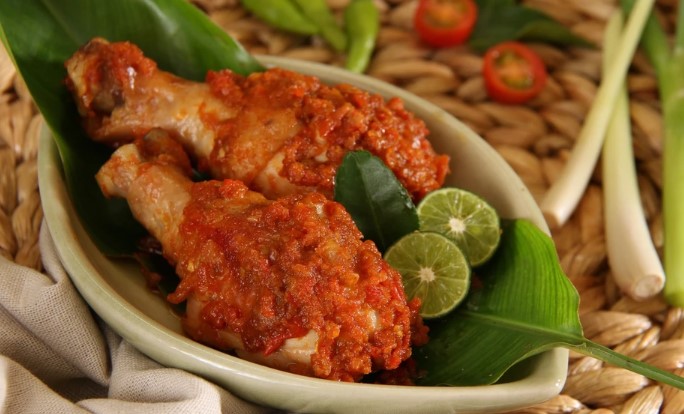
Introduction to Indonesian Cuisine
Indonesian cuisine is a unique blend of diverse cultural influences, resulting in a rich and flavorful culinary experience. With more than 17,000 islands, Indonesia boasts a wide range of regional dishes, each with its distinct taste and cooking style. Indonesian cuisine is also known for its use of exotic spices, herbs, and ingredients, adding depth and complexity to every dish.
A Brief History of Indonesian Food
Indonesian cuisine has been shaped by the country’s history, geography, and culture. The first inhabitants of Indonesia were seafarers who relied on fishing and hunting for their food. Over time, Indonesian cuisine was influenced by Indian, Chinese, Arab, and European traders and settlers, resulting in a fusion of flavors and techniques. The arrival of Islam in the country also brought halal dietary restrictions, leading to the development of new methods of cooking and food preparation.
The Diversity of Indonesian Cuisine
Indonesian cuisine is notably diverse, with each region having its unique culinary traditions. The cuisine is characterized by the use of spices and herbs, including lemongrass, galangal, turmeric, and ginger. The dishes range from spicy and savory to sweet and mild, with variations in cooking methods, ingredients, and presentation.
The Key Ingredients in Indonesian Cooking
Some of the key ingredients used in Indonesian cooking include rice, coconut, seafood, vegetables, and spices. Rice is a staple in Indonesian cuisine and is often served alongside a variety of dishes. Coconut is also a prevalent ingredient, used in curries, desserts, and drinks. Seafood, including fish and shrimp, is popular in coastal regions, while vegetables such as eggplant, spinach, and beans are widely used in vegetarian dishes.
The Importance of Spices in Indonesian Cuisine
Spices are an integral part of Indonesian cuisine, adding flavor, aroma, and color to every dish. Some of the commonly used spices include ginger, garlic, shallots, turmeric, coriander, and cumin. Spice blends, such as the popular curry paste, are also widely used in Indonesian cooking.
Iconic Indonesian Dishes You Must Try
Nasi Goreng, Gado Gado, Rendang, and Satay are just a few of the iconic Indonesian dishes that should be on every foodie’s list. Nasi Goreng, a fried rice dish, is a staple in Indonesian cuisine, while Gado Gado is a vegetable salad with peanut sauce. Rendang is a slow-cooked beef curry, and Satay is a popular street food made with grilled meat on skewers.
Regional Indonesian Cuisine: A Culinary Journey
Indonesia’s regional cuisine offers a unique culinary journey, with distinctive dishes from each region. From the fiery dishes of Sumatra to the seafood specialties of Bali, and the spicy cuisine of Java, there is something for everyone. The cuisine of Sulawesi is known for its use of unique ingredients such as palm sugar and coconut milk, while the cuisine of Papua relies heavily on yams and sago.
Indonesian Street Food: A Gastronomic Adventure
Indonesian street food is a must-try for any food lover, offering a diverse range of flavors and textures. From savory snacks like Martabak and Bakso to sweet treats like Pisang Goreng and Dadar Gulung, Indonesian street food has something for every taste preference.
The Art of Indonesian Desserts
Indonesian desserts are a sweet indulgence, with a variety of traditional sweets and cakes to choose from. Kue Lapis, Kue Lumpur, and Klepon are just a few of the popular desserts that are enjoyed across Indonesia. These desserts are often made with coconut milk, palm sugar, and rice flour, creating a unique and delicious flavor.
Indonesian Cuisine: A Fusion of Flavors
Indonesian cuisine is a fusion of flavors and techniques, influenced by the country’s history and culture. The cuisine’s unique blend of spices, herbs, and ingredients has made it a favorite among food lovers worldwide. Whether you’re a fan of spicy curries, savory soups, or sweet desserts, Indonesian cuisine has something to offer to every palate.


Facebook Comments