 John Myers
Introduction to Russian Cuisine
Russian cuisine is a reflection of the country’s diverse culture and history. Traditional Russian dishes are hearty and flavorful, with influences from neighboring countries like Ukraine and Belarus. The cuisine has a reputation for being heavy and meat-centric, but there is so much more to discover beyond the traditional meat stews and dumplings. Russian cuisine has something to offer for all tastes and preferences.
Regional Differences in Russian Cuisine
Russia is a vast country with a diverse landscape and climate, resulting in significant regional differences in the cuisine. In the north, where the climate is harsh and cold, fish and seafood are more popular, while in the south, where the weather is warmer, there is a greater use of spices and vegetables. The cuisine of the Central regions of Russia is characterized by hearty meat dishes and grain-based dishes, while the cuisine of the Siberian regions includes more wild game and berries.
Staple Ingredients in Russian Dishes
Potatoes, cabbage, beets, and grains like buckwheat and rye are staples in Russian cuisine. Meat, particularly beef and pork, is also a common ingredient. Dairy products like sour cream and cottage cheese are used in many dishes. Russian cuisine also features a variety of pickled foods, such as pickles, sauerkraut, and pickled mushrooms.
The Importance of Soups in Russian Cuisine
Soups are an essential part of Russian cuisine. They are often served as the first course of a meal and are known for their hearty and comforting qualities. Borscht, a beet soup, is a classic Russian soup that is often served with sour cream. Another popular soup is shchi, a cabbage soup that can be made with or without meat. Ukha is a fish soup that is often served with potatoes and herbs.
Traditional Russian Dumplings: Pelmeni
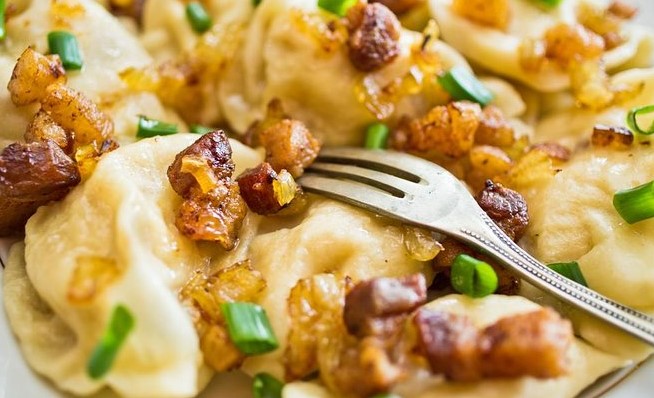
Pelmeni is a popular Russian dish that consists of small meat-filled dumplings. The dumplings are typically made with ground beef, pork, or a combination of the two and are served with sour cream or butter. Pelmeni are often boiled and can be served in a broth or with a sauce.
Exploring the World of Pickled Foods in Russia
Pickled foods are a significant part of Russian cuisine. They are often served as a side dish or used as a condiment. Pickled cucumbers, called pickles, are a popular snack or appetizer. Pickled mushrooms and sauerkraut are also common pickled foods in Russia. Kvass, a fermented drink made from bread, is another popular pickled beverage in Russia.
The Sweet Side of Russian Cuisine: Pastries and Desserts
Russian cuisine has a rich tradition of pastries and desserts. Blini, thin pancakes served with sour cream or jam, are a popular Russian pastry. Pirozhki, small stuffed buns, are another pastry that can be filled with meat, vegetables, or fruit. Desserts like honey cake, chocolate salami, and fruit pies are also popular in Russia.
Vodka and Other Traditional Russian Drinks
Vodka is the most famous Russian beverage, and it has a significant role in Russian culture. Vodka is often consumed with food and is believed to aid digestion. Other traditional Russian drinks include kvass, which is also used as a mixer for alcoholic drinks, and mead, a fermented honey beverage.
Russian Dining Etiquette and Customs
In Russia, it is customary to toast before drinking. When raising a glass, it is common to make eye contact and say “na zdorovye,” which means “to your health.” It is also polite to try all the dishes on the table, even if you don’t like them. Russians are known for their hospitality, and guests are treated with great respect.
Tips for Trying Russian Cuisine for the First Time
If you are trying Russian cuisine for the first time, start with classic dishes like borscht, pelmeni, and blini. Be open to trying pickled foods and don’t be afraid of the use of sour cream in many dishes. Remember to toast before drinking, and try to sample a traditional Russian beverage like vodka or kvass. Lastly, be prepared for a hearty and flavorful dining experience.



Facebook Comments