 John Myers
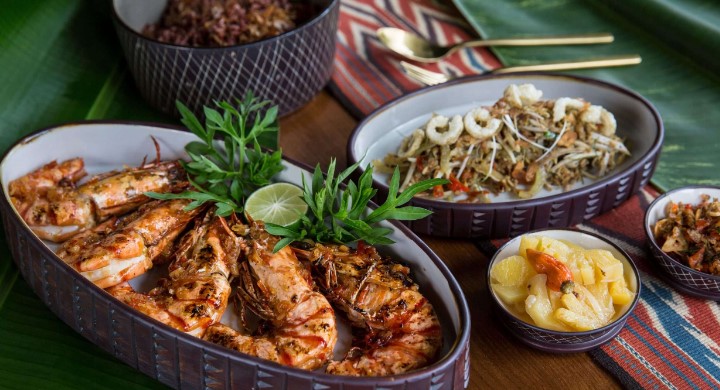
Introduction: The richness of Indonesian cuisine
Indonesian cuisine is one of the most diverse and flavorful cuisines in the world. It is a reflection of the country’s history, geography, and cultural diversity. Indonesia is an archipelago country consisting of more than 17,000 islands, each with its unique culture and culinary tradition. Indonesian cuisine is characterized by the use of a wide range of spices and seasonings, making it distinct from other Southeast Asian cuisines. With its rich and diverse flavors, Indonesian cuisine has become popular worldwide, and many food lovers are discovering and exploring the delicious dishes of this vibrant cuisine.
History of Indonesian cuisine: A blend of cultures
Indonesian cuisine is a blend of different cultures, including Chinese, Indian, Malay, and European. The cuisine has been influenced by the country’s history, which includes the spice trade, colonization, and migration. The spice trade brought a wide range of spices to Indonesia, including cinnamon, nutmeg, and cloves, which have become an essential part of Indonesian cuisine. The Chinese brought their culinary traditions to Indonesia, and many Chinese dishes have become a part of Indonesian cuisine. Indian influence is evident in the use of curry, turmeric, and other spices, while the Dutch influence is seen in the use of cheese, bread, and potatoes.
The main ingredients of Indonesian cuisine
Indonesian cuisine is characterized by the use of rice, noodles, vegetables, and various meats, including chicken, beef, and seafood. Rice is a staple food in Indonesia, and it is served with almost every meal. Noodles are also popular, and they are often used in dishes such as mie goreng (fried noodles). Vegetables such as eggplant, spinach, and cabbage are used in many dishes, and tofu and tempeh are popular sources of protein for vegetarians. Meat dishes include chicken satay, beef rendang, and grilled fish.
Spices and seasonings: The heart of Indonesian cuisine
Spices and seasonings are the heart of Indonesian cuisine. Indonesian cuisine is known for its use of a wide range of spices, including ginger, garlic, lemongrass, galangal, tamarind, and turmeric. These spices give Indonesian dishes their distinct and flavorful taste. Another popular seasoning in Indonesian cuisine is kecap manis, a sweet soy sauce that is used in many dishes. Other seasonings include shrimp paste, coconut milk, and palm sugar.
Traditional Indonesian dishes you must try
There are many traditional Indonesian dishes that you must try. Nasi goreng is a popular dish that consists of fried rice with vegetables, meat, and spices. Another popular dish is gado-gado, a vegetable salad with peanut sauce. Satay is a popular street food that consists of grilled meat on skewers with a peanut sauce. Other dishes to try include beef rendang, soto ayam (chicken soup), and nasi uduk (coconut rice).
Regional specialties: Discover the diversity of Indonesian cuisine
Indonesia is a diverse country, and each region has its unique culinary specialties. Some of the regional specialties include sate lilit from Bali, nasi liwet from Central Java, soto Betawi from Jakarta, and pempek from Palembang. Each region has its unique blend of spices and seasonings, making their dishes distinct from each other.
Vegetarian and vegan options in Indonesian cuisine
Indonesian cuisine offers many vegetarian and vegan options. Vegetarian dishes include gado-gado, tempeh goreng, and sayur lodeh (vegetable soup). Vegan options include tofu dishes such as tahu isi (stuffed tofu) and tahu telur (tofu omelet). Indonesian cuisine also offers many vegan desserts, such as es campur (mixed shaved ice dessert) and klepon (sweet glutinous rice balls).
Indonesian desserts: A sweet ending to your meal
Indonesian cuisine has a wide range of sweet desserts. One of the most popular desserts is pisang goreng, which is deep-fried bananas with a crispy exterior and a soft and sweet interior. Other popular desserts include es campur, cendol (a sweet drink with coconut milk and green jelly), and bubur ketan hitam (black glutinous rice pudding).
The role of food in Indonesian culture and traditions
Food plays a significant role in Indonesian culture and traditions. Many Indonesian festivals and celebrations involve traditional dishes and culinary customs. For example, during Ramadan, Muslims break their fast with traditional dishes such as kolak (sweet banana and sweet potato stew). During weddings, traditional dishes such as nasi kuning (yellow rice) and ayam goreng (fried chicken) are served.
Where to experience authentic Indonesian cuisine: Restaurants and markets
To experience authentic Indonesian cuisine, one can visit traditional markets, street food stalls, and restaurants. Traditional markets offer a wide range of fresh produce and spices that are used in Indonesian dishes. Street food stalls offer a quick and affordable way to sample Indonesian cuisine. Restaurants offer a more formal dining experience and often serve regional specialties. Some popular Indonesian restaurants include Nusa Indonesian Cuisine in New York City, Warung Padang London in the UK, and The Rice Table in Amsterdam, Netherlands.


Facebook Comments