 John Myers
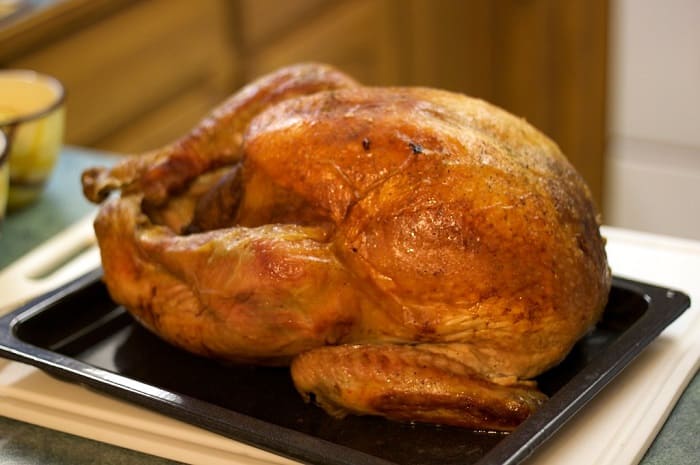
Leaving the turkey uncovered for the last 4 to 6 hours will help dry – and thus crisp up – the skin. Resist any temptation to rinse the turkey after brining. There will be no trace of salt on the surface and rinsing would only make the skin less prone to browning.
Do I Rinse turkey after wet brining?
Yes – you should rinse the turkey after wet-brining or dry-brining. Just be sure to pat it dry afterward, completely dry, so that the skin will brown nicely when roasting. Allowing the turkey to air dry, uncovered, in the refrigerator for several hours works even better.
Do you wash the salt off after dry-brining?
Once the dry-brining waiting period is up, there is no need to rinse off the surface of your food. The meat will not be overly salty, and rinsing the surface with water will undo all of the surface-drying achieved by the dry-brine process. That, in turn, will prevent browning.
How do you dry a turkey after brining?
Dry brining, also known as salting, simply means rubbing the turkey down with salt, letting it rest in the refrigerator for 24 to 72 hours, and then roasting it.
How to brine a turkey
Do you season turkey after brining?
After your turkey has brined, remove from liquid and discard remaining brine. Rinse and pat your bird dry. Place in a roasting pan and generously seasoning the outside and cavity with salt and pepper.
Do brined turkeys cook faster?
A brined turkey cooks slightly faster than an unbrined turkey, so check the internal temperature frequently. Remove turkey from the oven and allow to stand for 20 minutes before carving.
Can you over brine a turkey?
Brining too long can result in meat that tastes overly salty and has a spongy texture. If you’re not ready to roast the bird after 18 hours, remove it from the brine, rinse it, pat it dry and refrigerate for up to two days.
How long do you brine a turkey before cooking?
Pop the turkey into the fridge and let it brine for at least 8 hours (and up to 18 hours). Just don’t leave the turkey in the brine for longer than recommended—over-brining can render the bird too salty and turn the texture spongy.
How to brine and roast a turkey
Should you rinse turkey?
In short, no. According to the United States Department of Agriculture (USDA), rinsing a raw turkey in the kitchen sink can lead to the spread of bacteria on countertops, nearby food, and other surfaces, which can cause cross-contamination.
How long should turkey sit after brining?
Two, letting the bird to sit (uncovered) in your fridge for at least 8 hours will allow the skin to dry out and when cooked, it will become perfectly brown and crisp. If you have time, allow your chilled turkey to sit at room temperature for 1 hour before cooking.
Should you salt the skin of a brined turkey?
Two days before serving, rinse turkey and pat dry. Rub all over with kosher salt, slipping salt under skin where possible and rubbing some into cavities. Use about 1 tablespoon per 4 pounds of bird.
Should I inject my turkey after brining?
If you add aromatics to the brine, remember these flavors will affect the turkey’s overall taste so choose a rub or injection with similar ingredients. While properly brining a turkey won’t make it too salty, it does add salt to the meat.
Should I put butter under the skin of my turkey?
Don’t butter your bird. Placing butter under the skin won’t make the meat juicier, though it might help the skin brown faster. However, butter is about 17 percent water, and it will make your bird splotchy, says López-Alt. Instead, rub the skin with vegetable oil before you roast.
The best way to brine turkey
Do you cook a turkey at 325 or 350?
If you’re determined to stuff the turkey, you’ll want to leave it in the oven at 325°F for 20-25 minutes per pound, and cover the turkey (especially the wings and drumsticks) with a loose tent of aluminum foil to keep them from drying out or burning.
Why you shouldn’t brine your turkey?
Brining, he contended, gives poultry the texture of luncheon meat. In addition, the molecules in cider, herbs and other flavorings are too large to penetrate the membrane surrounding the meat before the salt molecules do, and so they fail to carry much flavor into the turkey.
Is brining a turkey worth it?
Brining a turkey is totally optional. If you’re short on time or just want the most straight-forward method to roast a turkey, skip the brining step and just use the Simple Roasted Turkey method. Some people swear that brining yields the most tender, juicy meat, but it takes planning ahead.
How much brine do I need for a 12 pound turkey?
Our general turkey-brining rule of thumb for how much brine for a 12-pound turkey (adjust up or down based on the size of your bird) is 5 quarts hot water + 1½ cups kosher salt or ¾ cup table salt. Mix to combine and add this to the pot or bag.
How much liquid do you need to brine a turkey?
The basic ratio for a wet turkey brine is to use 2 cups of kosher salt or coarse sea salt for every 2 gallons of water. The benefit of a wet brine is that it can work slightly quicker than a dry brine because it infuses the entire turkey in a salty solution.
Do you have to refrigerate while brining a turkey?
The amount of time will depend on the type of brine you use; however, do not brine any longer than two days and always keep the turkey and brine refrigerated (at 40°F or less).
Should you brine a Butterball turkey?
Although you don’t need to brine a Butterball turkey before cooking it, you certainly can if you’d like. The meat should be juicy and flavorful no matter what. Just be careful not to use too much salt in the brine, and be judicious with the other seasonings when making the stuffing and gravy.


Facebook Comments