 Robert Zelesky
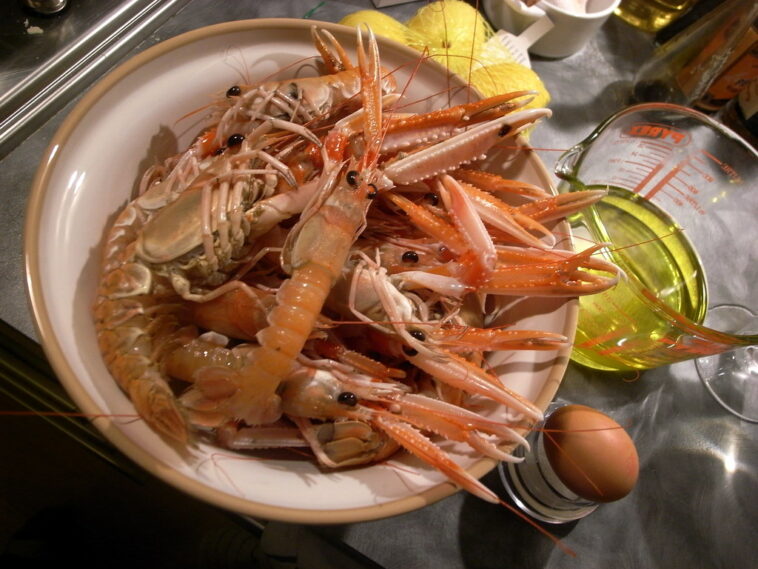
Dublin Bay prawns, scientifically known as Nephrops norvegicus, are a prized seafood delicacy cherished for their sweet, delicate flavor and firm texture. Commonly found in the cold, deep waters of the North Atlantic, these crustaceans play a significant role in Irish and European cuisine. In this article, we explore the characteristics of Dublin Bay prawns, their cultural significance, and offer a delectable recipe to savor their unique taste.
Characteristics and Habitat
Dublin Bay prawns are not true prawns but rather a type of lobster that inhabits the sandy and muddy seabeds of the North Atlantic Ocean, particularly around the coasts of Ireland, Scotland, and Norway. They are identifiable by their slender bodies, long antennae, and distinctive pinkish-orange hue. The prawns are harvested using specialized nets or traps, ensuring sustainable fishing practices to preserve their populations.
Culinary Significance
In Ireland, Dublin Bay prawns hold a special place in seafood cuisine, celebrated for their sweet, succulent meat that rivals lobster in flavor and texture. They are typically prepared in dishes that highlight their natural sweetness, often served grilled, boiled, or pan-fried with minimal seasoning to let their delicate taste shine through. Dublin Bay prawns are a favorite among seafood enthusiasts and chefs alike, prized for their versatility in both traditional and modern culinary creations.
Dublin Bay Prawns Recipe: Pan-Fried Dublin Bay Prawns with Garlic Butter
Ingredients:
- 500g Dublin Bay prawns, peeled and deveined
- 4 tablespoons unsalted butter
- 4 cloves garlic, minced
- 1 tablespoon fresh parsley, finely chopped
- Salt and black pepper, to taste
- Lemon wedges, for serving
Instructions:
1. Prepare the Dublin Bay Prawns:
- If not already peeled and deveined, prepare the prawns by removing the shells and deveining them. Rinse under cold water and pat dry with paper towels.
2. Heat the Butter:
- In a large skillet or frying pan, melt the butter over medium-high heat until it begins to foam.
3. Sauté the Garlic:
- Add the minced garlic to the melted butter and sauté for 1-2 minutes, stirring constantly, until fragrant. Be careful not to brown the garlic.
4. Cook the Prawns:
- Add the Dublin Bay prawns to the skillet in a single layer. Cook for 2-3 minutes on each side, or until they turn pink and opaque. Season with salt and black pepper to taste.
5. Garnish and Serve:
- Remove the prawns from the heat and sprinkle with chopped parsley. Serve immediately with lemon wedges on the side for squeezing over the prawns.
Tips for Cooking Dublin Bay Prawns:
- Freshness: Use fresh Dublin Bay prawns for the best flavor and texture. Look for prawns that are firm and smell of the sea.
- Cooking Time: Avoid overcooking the prawns, as they can become tough. Cook just until they turn pink and opaque.
- Variations: Experiment with different herbs and spices, such as chili flakes or paprika, to customize the flavor profile of the dish.
Serving Suggestions:
- Side Dishes: Serve pan-fried Dublin Bay prawns with crusty bread, steamed rice, or a fresh green salad for a complete meal.
- Wine Pairing: Pair with a crisp white wine, such as Sauvignon Blanc or Chardonnay, to complement the sweetness of the prawns.
- Presentation: Arrange the prawns on a platter or individual plates, garnished with additional fresh herbs for a visually appealing presentation.
Conclusion
Dublin Bay prawns are a culinary treasure that offers seafood lovers a taste of the pristine waters of the North Atlantic. Whether enjoyed in a simple pan-fried dish with garlic butter or incorporated into more elaborate recipes, these prawns bring a delicate sweetness and firm texture that elevate any meal. By following this recipe and tips, you can create a memorable dining experience that celebrates the natural flavors of Dublin Bay prawns, showcasing why they are revered in Irish and international cuisine alike.



Facebook Comments