 John Myers
You really let it rip in the gym today: half an hour on the ergometer made you sweat, you put quite a bit of weight on the equipment. Now your stomach is growling – we’ll tell you what good nutrition looks like after training.
Eating after exercise: That’s what matters
Just randomly wolfing down the first foods that satisfy your hunger pangs is not a good idea after exercise. After all, you want to stay fit through training and a balanced, conscious diet is at least as important as sufficient exercise. What you eat after exercise directly affects the effectiveness of your workout. For example, if you want to lose weight, it would be completely wrong to reward yourself with lots of candy or a mountain of pasta for your efforts. This would block fat loss and you would likely take in more calories than you burned. It is not uncommon for the energy consumption from sport to be overestimated: With our calorie consumption calculator, you can check exactly whether your assessment is correct.
Higher fitness through specific eating after exercise
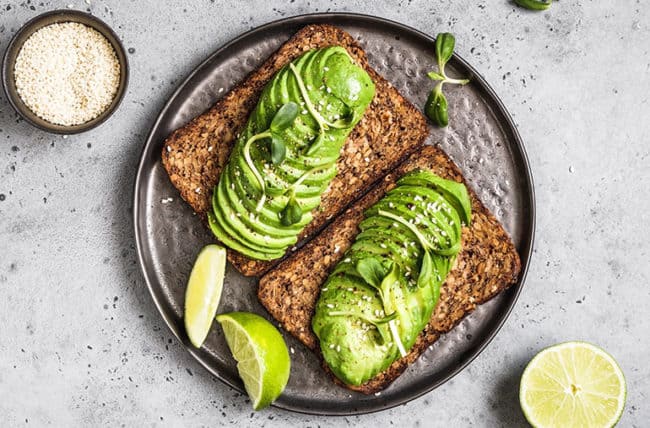
Good sports nutrition provides the body with many nutrients without excessive energy density. Vegetables provide vitamins and minerals, lean meat or dairy products contain high-quality protein and whole grain products contain complex carbohydrates that keep you full even in smaller portions.
The proportion of macronutrients depends on the type of sport you do. After endurance sports, the proportion of carbohydrates in the food should be higher than after weight training: Here, a higher proportion of protein supports muscle building.
Our nutrition expert gives tips and recommendations for the ideal composition of a meal in the article on nutrition for athletes. You will also find information specifically on the subject of six-pack nutrition.
Eating promptly after exercise promotes regeneration
In addition to eating right, drinking after exercise is also important. A lot of fluid is lost through sweating, which should be replaced promptly to avoid dehydration and high mineral losses. If you’re not really hungry right after your workout or don’t have a long drive home, smoothies are a good tip: The delicious shakes provide the body with liquid and nutrients, so you kill two birds with one stone. The longer and more intense the load was, the sooner you should eat after exercise. After a marathon, for example, the organism is susceptible to infections for a few hours, and the so-called open window effect occurs. If you don’t eat anything for hours now, you will additionally weaken the immune system. The body also processes the nutrients better directly after exercise and uses them effectively for the regeneration processes. As an athlete, you sometimes have to struggle with pain during regeneration phases: Here you will find tips for relieving sore muscles.


Facebook Comments