 John Myers
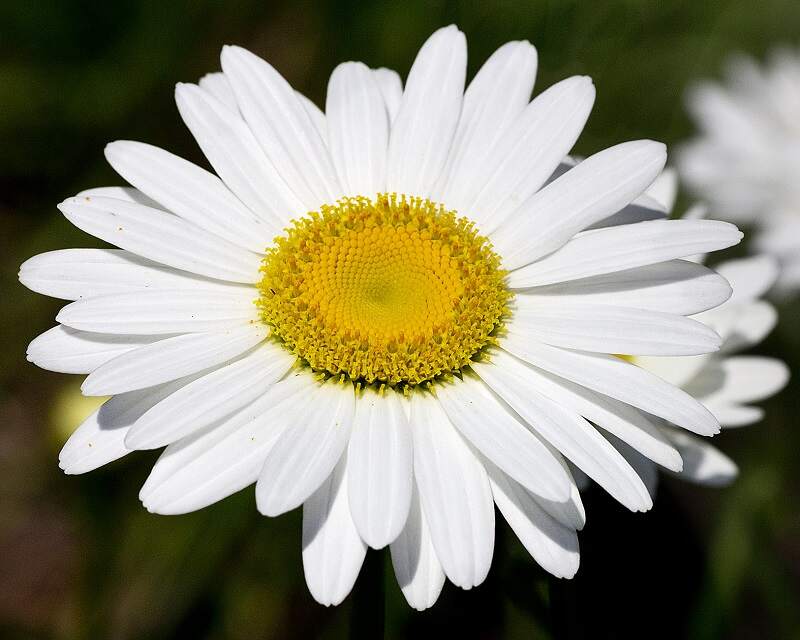
Daisies can not only be eaten and prepared as tea, but the small flowers are also suitable for skin care. We will tell you what effect daisies have on the body and show you 3 recipes on how to prepare the flowers and use them externally.
Contents
show
Eating daisies – that’s in the flowers of the plant
Daisies are not only pretty to look at, but are also considered medicinal plants due to their ingredients.
- In addition to vitamin C and vitamin A, daisies also contain a number of minerals and trace elements such as iron, magnesium and calcium.
- When used internally, daisies have a detoxifying effect and stimulate the metabolism.
- That is why daisy tea is ideal for detoxification cures. But the flowers can also be used against spring fatigue.
- In addition, daisies have an expectorant effect, which makes them an effective remedy for cold symptoms such as coughs, sore throats or fever.
- Externally, daisies can be used for skin care. The flowers can be used as an accompanying therapy for impure skin and acne as well as for herpes and neurodermatitis.
Detox with daisy tea – how to prepare it
Daisy tea has proven itself both for detoxification and for treating colds.
- To prepare daisy tea, pour 200 to 250 ml of boiling water over 1 to 2 tablespoons of the dried or fresh flowers.
- Let the tea steep for 10 minutes and then strain it. It is best to drink the tea while it is still warm.
- For a cleansing detox , drink 2 to 3 cups of the tea per day.
Skin care with daisies – tips for external use
Use daisy tea as a facial tonic to support the healing process of the skin with neurodermatitis, acne , blemishes or herpes.
- In addition, you can make an oil extract of daisies to intensify the effects.
- To do this, collect a handful of daisies and spread them out on a piece of kitchen paper or newspaper for about half an hour so that insects can leave the flowers.
- Place flowers in a jar with 100ml of your choice of carrier oil. Place the glass in a 40-degree water bath for an hour and a half to release the active ingredients from the flowers.
- Then let the oil cool down and put it in a light-protected place for 2 days to steep. Then you can strain the oil.
Use daisies in the kitchen
Since all parts of the plant are edible, daisies are also welcome in the kitchen.
- While the leaves and stems are reminiscent of sorrel in taste, the flowers of daisies also have a slightly nutty aroma.
- For example, you can make delicious herbal salt yourself from dried daisies.
- Fresh flowers are great as a topping for summer salads or as an ingredient in smoothies.



Facebook Comments