 Robert Zelesky
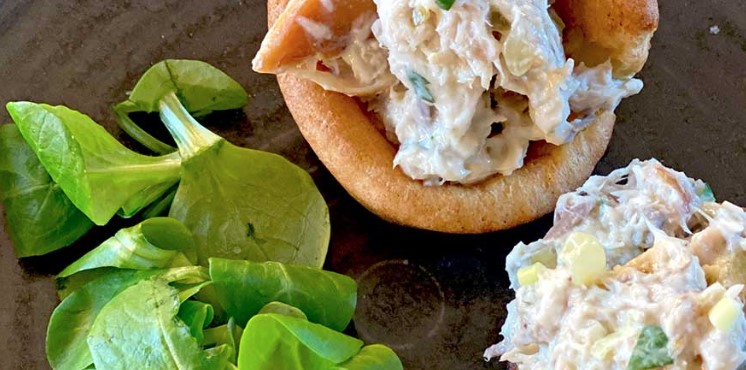
Smoked Mackerel Paté is a beloved dish in Maritime cuisine, known for its rich flavors and creamy texture. This article explores the cultural significance of this dish, its key ingredients, the traditional method of preparation, and provides a detailed recipe for you to enjoy this delightful delicacy at home.
Cultural Significance
In the Maritime provinces of Canada, seafood plays a central role in culinary traditions, reflecting the region’s proximity to the Atlantic Ocean and its abundant fisheries. Smoked fish, including mackerel, has been a staple in Maritime diets for generations, valued for its robust flavor and versatility in various dishes.
Smoked Mackerel Paté embodies the Maritime spirit of hearty, wholesome cuisine that celebrates local ingredients and traditional methods of preparation. It’s often served as an appetizer or part of a seafood platter, accompanied by crusty bread or crackers.
Key Ingredients
- Smoked Mackerel: The star ingredient, smoked mackerel lends a distinctive smoky flavor and richness to the paté. It’s typically prepared by smoking the fish over wood chips, enhancing its taste and texture.
- Cream Cheese: Provides a creamy base that binds the paté together and adds a smooth consistency.
- Butter: Adds richness and enhances the texture of the paté.
- Lemon Juice and Zest: Provides a refreshing citrusy balance to the richness of the fish and dairy.
- Herbs and Spices: Often including fresh dill, chives, or parsley, these herbs add freshness and depth of flavor. Spices like black pepper or smoked paprika may also be used to complement the smokiness of the fish.
Preparation Method
Ingredients:
- 200g smoked mackerel, skin removed and flaked
- 100g cream cheese, softened
- 2 tablespoons unsalted butter, softened
- 1 tablespoon fresh lemon juice
- 1 teaspoon lemon zest
- 1 tablespoon chopped fresh dill
- Salt and freshly ground black pepper, to taste
- Crackers or crusty bread, for serving
Instructions:
- Prepare the Smoked Mackerel:
- Remove the skin from the smoked mackerel fillets and flake the flesh into a bowl, ensuring there are no bones.
- Make the Paté:
- In a food processor, combine the smoked mackerel, cream cheese, butter, lemon juice, lemon zest, and chopped dill.
- Process until smooth and well combined. You can adjust the consistency by adding more cream cheese or butter if desired.
- Season and Chill:
- Season the paté with salt and freshly ground black pepper to taste. Blend again briefly to incorporate.
- Transfer the paté to a serving dish or individual ramekins. Cover and refrigerate for at least 1 hour to allow the flavors to meld.
- Serve:
- Before serving, garnish with additional fresh dill or a sprinkle of smoked paprika for extra flavor.
- Serve chilled with crackers or slices of crusty bread.
Serving Suggestions
- Accompaniments: Smoked Mackerel Paté pairs wonderfully with thinly sliced cucumber, radishes, or pickles for a refreshing contrast. It also complements a variety of crackers, from plain water crackers to whole grain options.
- Wine Pairing: For a perfect Maritime dining experience, pair Smoked Mackerel Paté with a crisp white wine such as Sauvignon Blanc or a light-bodied rosé. The acidity and fruitiness of these wines complement the smoky flavors and creamy texture of the paté.
- Variations: Experiment with different herbs and spices to personalize your paté. Consider adding a touch of horseradish for a bit of heat or substituting dill with tarragon or thyme for a different flavor profile.
Conclusion
Smoked Mackerel Paté encapsulates the essence of Maritime cuisine—simple yet flavorful, celebrating the bounty of the sea with every bite. By preparing this recipe, you not only indulge in a delicious appetizer but also partake in a culinary tradition cherished by Maritime communities. Whether enjoyed at a family gathering or as part of a seafood feast, Smoked Mackerel Paté invites you to savor the taste of the ocean and the warmth of Maritime hospitality.
Embracing Maritime Culinary Traditions
In conclusion, Smoked Mackerel Paté is more than just a dish—it’s a testament to the rich maritime heritage and the enduring culinary traditions of the region. By exploring this recipe, you embark on a journey through the flavors and stories that have shaped Maritime cuisine, one delectable bite at a time.


Facebook Comments