 John Myers
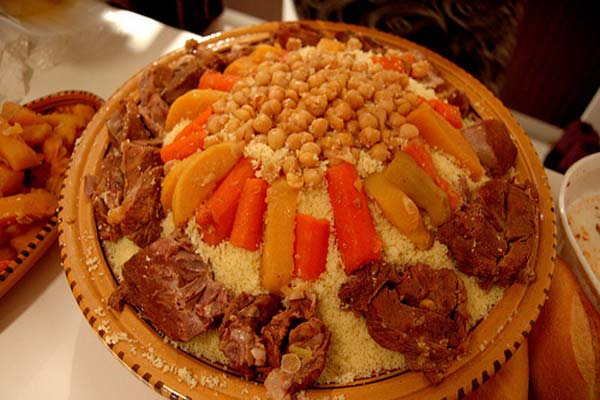
Introduction: Discovering Algerian Ramadan Cuisine
Ramadan is a significant month in the Muslim faith, and it is widely celebrated in Algeria. During Ramadan, Algerians observe a month of fasting and spiritual reflection. Food plays an essential role in the Algerian Ramadan traditions, and the holy month is an excellent time to sample the country’s unique and authentic cuisine. Algerian Ramadan cuisine is a blend of Mediterranean, Middle Eastern, and African flavors that come together to create a diverse and delicious culinary experience.
Understanding the Significance of Ramadan in Algeria
Ramadan is a holy month in the Islamic calendar, where Muslims around the world observe a period of fasting from dawn until sunset. In Algeria, Ramadan is a time for spiritual reflection, prayer, and family gatherings. Algerians break their fast at sunset with a traditional meal called iftar, which is a time of celebration and thanksgiving. Algerians also prepare suhoor, a pre-dawn meal that sustains them throughout the day of fasting. Ramadan is a time for self-control, charity, and empathy, and it is a time to reconnect with one’s faith and community.
A Brief History of Algerian Ramadan Cuisine
Algerian cuisine is a fusion of Berber, Arabic, Mediterranean, and French influences. Algerian Ramadan cuisine is deeply rooted in history, and it has been shaped by centuries of trade, conquest, and migration. The traditional Algerian Ramadan dishes are a blend of hearty stews, savory pastries, and grilled meats. Algerian food is known for its bold and robust flavors, and the cuisine reflects the country’s diverse cultural identity. Algerian Ramadan cuisine has evolved over the centuries, and it continues to be an integral part of Algerian culture.
Essential Ingredients in Algerian Ramadan Cuisine
Algerian Ramadan cuisine makes use of a variety of spices and ingredients that are essential to the country’s culinary identity. Some of the essential ingredients used in Algerian cuisine include cumin, cinnamon, saffron, paprika, and turmeric. Algerians also use a variety of fresh herbs such as coriander, parsley, and mint, which add flavor and aroma to their dishes. Chickpeas, lentils, and beans are common ingredients in Algerian stews, and they are often paired with lamb, beef, or chicken. Flatbreads such as baghrir, m’semen, and khobz are also staples in Algerian Ramadan cuisine.
The Most Popular Traditional Algerian Ramadan Dishes
Algerian Ramadan cuisine is a feast for the senses, and there are many traditional dishes that are popular during the holy month. Chorba is a hearty soup made with lamb, chickpeas, and vegetables that is commonly served during Ramadan. Mechoui is a whole roasted lamb that is often served during special occasions and family gatherings. Another popular dish is bourek, a savory pastry filled with meat, cheese, and herbs. Tagine, a slow-cooked stew made with beef or chicken, is also a staple in Algerian Ramadan cuisine.
Experiencing Algerian Street Food During Ramadan
Algerian street food is a must-try for anyone visiting the country during Ramadan. During the holy month, street vendors sell an array of delicious snacks and sweet treats that are perfect for breaking the fast. One popular street food is chebakia, a sweet pastry made with sesame seeds, honey, and spices. M’semmen, a crispy and flaky flatbread, is another popular street food that is often filled with meat or cheese. Algerian street food is an excellent way to experience the country’s vibrant culinary culture.
Modern Algerian Ramadan Fusion Cuisine
Algerian Ramadan cuisine has evolved over the centuries, and modern chefs are putting their spin on traditional dishes. Algerian fusion cuisine combines the country’s traditional flavors with modern cooking techniques and ingredients. One popular fusion dish is merguez burger, a lamb burger topped with spicy harissa mayonnaise and served with sweet potato fries. Another popular dish is the chicken pastilla, a savory pastry filled with chicken, almonds, and spices.
Algerian Ramadan Desserts and Sweet Treats
No Algerian Ramadan meal is complete without a sweet treat. Algerians have a sweet tooth, and they have perfected the art of dessert making. One popular dessert is baklava, a buttery pastry filled with nuts and drizzled with honey syrup. M’hancha is another popular dessert that is shaped like a snake and filled with almonds, cinnamon, and sugar. Algerians also enjoy makroud, a semolina pastry filled with dates and nuts.
Hosting a Traditional Algerian Ramadan Iftar
Hosting a traditional Algerian Ramadan iftar is an excellent way to experience the country’s culinary culture. Algerians take great pride in their hospitality, and iftar is a time for family and community gatherings. A traditional iftar typically includes a variety of dishes such as soup, salads, and stews. Algerians also serve sweets and pastries, such as baklava and makroud, to break the fast.
A Guide to Algerian Ramadan Food Markets and Festivals
Algerian Ramadan food markets and festivals are a fantastic way to experience the country’s culinary culture. During Ramadan, food markets are set up in various cities and towns, where vendors sell an array of sweets, pastries, and street food. One of the most popular food festivals is the Timgad Festival, which takes place in the historic city of Timgad during Ramadan. The festival features traditional music, dance, and food, and it is an excellent way to experience Algerian Ramadan culture. Other popular festivals include the Mawlid Festival and the Ramadan Nights Festival.


Facebook Comments