 John Myers
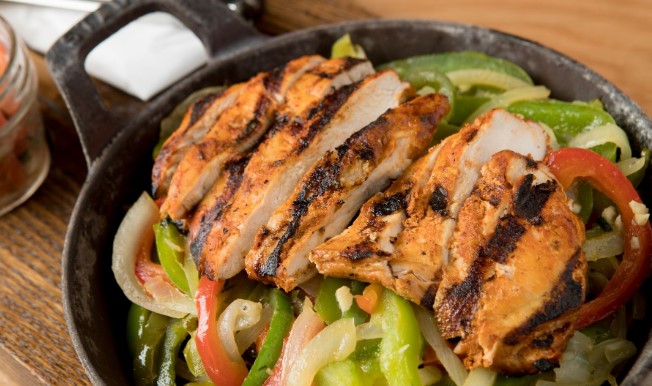
Introduction: Hispanic Cuisine Overview
Authentic Hispanic cuisine is an incredibly diverse and vibrant category of food that has been influenced by a variety of cultures over thousands of years. This cuisine includes dishes from a wide range of regions, including Mexico, Spain, and Central and South America. Hispanic cuisine is known for its bold and complex flavors, as well as its use of fresh and local ingredients.
History of Hispanic Food Traditions
The roots of Hispanic cuisine can be traced back to pre-Columbian times, when indigenous people across the Americas were cultivating crops like corn, beans, and squash. With the arrival of Spanish explorers in the 16th century, new ingredients and techniques were introduced to the region. These included ingredients like rice, sugar, and wheat, as well as new methods of preserving food, such as salting and drying. Over time, these Spanish influences were combined with indigenous traditions to create the unique and diverse cuisine we know today.
Regional Variations in Hispanic Cooking
One of the defining characteristics of Hispanic cuisine is its regional diversity. Each country and even each region within a country has its own unique culinary traditions, ingredients, and techniques. For example, the coastal regions of Mexico are known for their seafood dishes, while the highlands are famous for their hearty stews and soups. Similarly, the cuisine of Peru is heavily influenced by the country’s Andean and Amazonian regions, resulting in dishes that range from spicy and bold to sweet and tropical.
Essential Ingredients in Hispanic Cuisine
While the ingredients used in Hispanic cuisine vary depending on the region, there are a few staples that are common across many traditional dishes. These include staples like rice, beans, tortillas, and cornmeal, as well as a range of fresh produce like tomatoes, peppers, and herbs. Many dishes also incorporate various types of meat, including beef, pork, chicken, and seafood.
Traditional Hispanic Cooking Techniques
In addition to the ingredients used, traditional Hispanic cuisine is also characterized by a range of cooking techniques that have been used for centuries. These include techniques like roasting, braising, and grilling, as well as more specialized methods like steaming tamales or frying empanadas. Many traditional dishes also require a significant amount of time and patience to prepare, as flavors are built slowly over hours or even days.
The Role of Spices and Herbs in Hispanic Cuisine
Herbs and spices play a crucial role in the bold and complex flavors found in Hispanic cuisine. Common herbs and spices include cilantro, cumin, oregano, and chili peppers, which add heat, depth, and complexity to dishes. Many traditional dishes also incorporate a range of dried spices, like cinnamon and cloves, which can add depth and warmth to stews and desserts.
Popular Hispanic Dishes and Desserts
There are countless traditional Hispanic dishes to explore, from Mexican tacos and enchiladas to Peruvian ceviche and Colombian arepas. Popular desserts include flan, churros, and tres leches cake. Each dish has its own unique flavor profile and history, making them a fascinating and delicious way to explore Hispanic cuisine.
The Importance of Family and Community in Hispanic Cooking
Finally, it’s worth noting that Hispanic cuisine is about more than just the food itself. It’s also about the importance of family and community in the cooking process. Many traditional dishes are prepared as a group effort, with family members and friends coming together to chop, stir, and cook. This sense of shared community and tradition is a vital part of what makes Hispanic cuisine so special.
Hispanic Food in Modern Times
While Hispanic cuisine has a rich history, it has also evolved over time to incorporate new ingredients and techniques. Today, chefs across the world are experimenting with traditional Hispanic flavors and cooking techniques in new and innovative ways, resulting in exciting fusion dishes that combine the best of traditional and modern cuisine.
Conclusion: Embracing Authentic Hispanic Cuisine
In conclusion, exploring authentic Hispanic cuisine is a fascinating and delicious way to learn about the history and culture of this diverse region of the world. From traditional dishes to modern fusion cuisine, there is so much to discover and enjoy. So next time you’re looking for something new and exciting to try in the kitchen, consider exploring the rich and varied flavors of authentic Hispanic cuisine.


Facebook Comments