 John Myers
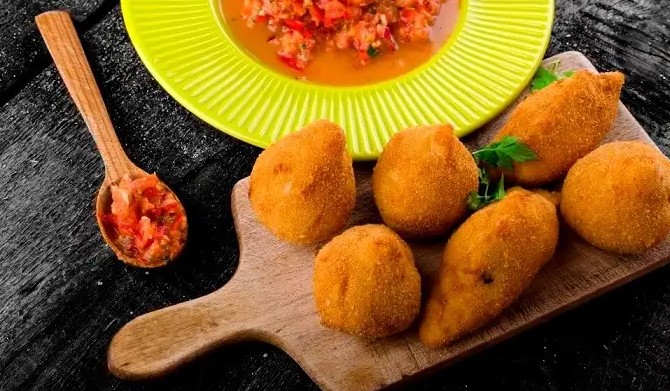
Introduction to Brazilian Cuisine
Brazilian cuisine is a reflection of the country’s rich history and cultural diversity. The cuisine is heavily influenced by Indigenous, African, and European cultures, resulting in a unique blend of flavors, spices, and cooking techniques. The country’s vast size and diverse geography also contribute to the variety of dishes found across the country. From the Amazon rainforest to the beaches of Rio de Janeiro, Brazilian cuisine is a celebration of the country’s vibrant culture and traditions.
The Influence of Regional Diversity
Brazil’s regional diversity is one of the key factors that influence its cuisine. Each region has its own unique flavors and dishes that reflect the local culture and ingredients. The food in the North, for example, is heavily influenced by Indigenous traditions and features ingredients such as cassava, fish, and fruits like acai and cupuacu. In contrast, the South is known for its churrascarias, or Brazilian barbeque, which features cuts of beef, pork, and chicken cooked over an open flame.
Traditional Dishes from the North
The cuisine of the North is heavily influenced by the Indigenous cultures that have been present in the region for thousands of years. One of the most traditional dishes is tacaca, a soup made with tucupi, a fermented cassava broth, and jambu, an herb that gives the soup a slight numbing sensation. Another popular dish is vatapa, a creamy stew made with shrimp, coconut milk, and bread crumbs.
Savory Flavors of the Northeast
The cuisine of the Northeast is known for its savory flavors and unique ingredients. One of the most popular dishes is feijoada, a stew made with black beans and various cuts of pork, including bacon, sausage, and pork belly. Another traditional dish is acaraje, a fried bean cake filled with shrimp, onions, and peppers.
The Spices of Central Brazil
Central Brazil is known for its use of spices and herbs in cooking. One of the most popular dishes is pao de queijo, or cheese bread, which is made with cassava flour and cheese. Another traditional dish is arroz com pequi, a rice dish made with pequi, a fruit that has a strong, distinctive flavor.
Cooking with Tropical Ingredients
Brazil is home to a variety of tropical fruits and ingredients that are used in cooking. One of the most popular fruits is the acai berry, which is often used in smoothies and bowls. Another popular ingredient is dendê oil, which is used in the cuisine of the Northeast and adds a distinct flavor to dishes like moqueca, a fish stew made with coconut milk.
Seafood Delights from the Coast
Brazil’s coastline is home to some of the country’s most delicious seafood dishes. One of the most famous is bobo de camarão, a creamy shrimp dish made with coconut milk and dendê oil. Another popular dish is caldeirada, a fish stew made with tomatoes, onions, and peppers.
Meat Lovers’ Paradise in the South
The cuisine of the South is known for its meat-heavy dishes, including churrasco, or Brazilian barbeque. Churrasco features cuts of beef, pork, and chicken cooked over an open flame and served with sides like rice, beans, and farofa, a toasted manioc flour.
Sweet Indulgences from the Southeast
The cuisine of the Southeast is known for its sweet indulgences, including brigadeiro, a chocolate truffle made with condensed milk and cocoa powder. Another popular dessert is pudim de leite, a creamy custard made with condensed milk and caramel.
Where to Experience Authentic Brazilian Cuisine
To experience authentic Brazilian cuisine, it’s best to visit local markets and restaurants that specialize in regional dishes. In Rio de Janeiro, the Feira de Sao Cristovao is a popular market that features traditional Northeastern dishes like acaraje and tapioca. In Sao Paulo, Mercado Municipal is a great place to sample the city’s famous mortadella sandwich and other local specialties.



Facebook Comments