 John Myers
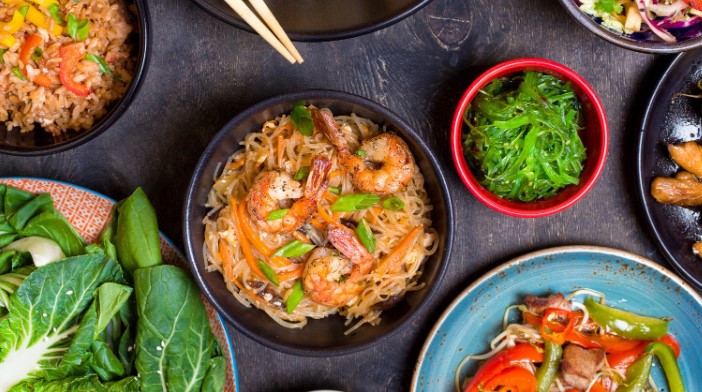
Introduction: Fortune Chinese Cuisine
Fortune Chinese Cuisine is a rich and diverse culinary art that has been thriving for over 5,000 years. It is recognized for its complex flavors, unique traditions, and exceptional cooking techniques. Chinese cuisine is a reflection of the country’s culture, history, and geography, with each region having its own distinctive style of cooking.
Fortune Chinese Cuisine is a must-try for food enthusiasts who are looking for a culinary adventure. It is a cuisine that has something to offer for everyone, from street food to fine dining. It is also a cuisine that is steeped in tradition, with many culinary practices dating back centuries.
A Brief History of Chinese Cuisine
Chinese cuisine is one of the oldest and most diverse culinary arts in the world. It has evolved over thousands of years and has been influenced by various factors such as geography, climate, religion, and culture. The history of Chinese cuisine can be traced back to the Zhou Dynasty (1046-256 BC), where food was considered an important aspect of life and culture.
During the Tang Dynasty (618-907 AD), Chinese cuisine experienced a golden age, with the development of new cooking techniques, ingredients, and recipes. It was during this time that many of the classic dishes we know today, such as Peking Duck and Hot Pot, were created. Today, Chinese cuisine continues to evolve and adapt to changing tastes and trends, while still maintaining its rich culinary traditions.
Regional Influences on Fortune Chinese Cuisine
The vast size and diverse geography of China have resulted in a wide variety of regional cuisines, each with its own unique flavors and cooking techniques. Some of the most well-known regional cuisines include Sichuan, Cantonese, Hunan, and Shandong.
Sichuan cuisine is known for its bold and spicy flavors, while Cantonese cuisine is characterized by its light, fresh ingredients and subtle flavors. Hunan cuisine is known for its use of sour and spicy flavors, while Shandong cuisine is known for its use of seafood and meat. Each regional cuisine has its own unique characteristics that reflect the cultural and geographical influences of the area.
The Five Flavors of Chinese Cooking
Chinese cuisine is characterized by its use of the five flavors: sweet, sour, salty, bitter, and umami. Each flavor is believed to have a specific effect on the body and is used in cooking to create a balanced dish.
Sweet flavors are used to nourish the body and promote good health, sour flavors are used to stimulate the appetite and aid digestion, salty flavors are used to enhance the flavor of other ingredients, bitter flavors are used to detoxify the body, and umami flavors are used to enhance the overall flavor of the dish.
Ingredients and Techniques Used in Chinese Cuisine
Chinese cooking relies heavily on fresh ingredients and traditional cooking techniques. Some of the most commonly used ingredients in Chinese cuisine include rice, noodles, soy sauce, sesame oil, ginger, garlic, and various meats and seafood.
Chinese cooking techniques include stir-frying, steaming, braising, boiling, and deep-frying. These techniques are used to create dishes with a variety of textures and flavors, from crispy and crunchy to soft and tender.
The Art of Dim Sum: A Fortune Chinese Tradition
Dim Sum is a traditional Chinese brunch that consists of small plates of savory and sweet dishes. It is a culinary experience that is best enjoyed with friends and family and is a popular pastime in many Chinese communities.
Some of the most popular dim sum dishes include Shumai, Har Gow, Char Siu Bao, and Egg Tarts. These dishes are often served with Chinese tea and are meant to be shared amongst the group.
The Delightful World of Chinese Tea
Tea is a beloved beverage in Chinese culture and is an important part of many social and cultural events. There are many different types of Chinese tea, each with its own unique flavor and health benefits.
Some of the most popular Chinese teas include Green Tea, Oolong Tea, Black Tea, and Pu-erh Tea. Chinese tea is often enjoyed with dim sum or as a standalone beverage.
Popular Fortune Chinese Dishes You Must Try
Fortune Chinese Cuisine has a wide variety of dishes that are popular all over the world. Some of the most well-known dishes include Kung Pao Chicken, Mapo Tofu, Hot and Sour Soup, and General Tso’s Chicken.
Each of these dishes has its own unique flavor profile and is a testament to the rich culinary traditions of Chinese cuisine.
Fortune Chinese Desserts: Sweet Endings to a Meal
Chinese desserts are often light and refreshing, with many incorporating fruits and sweet beans. Some of the most popular Chinese desserts include Mango Pudding, Red Bean Soup, and Egg Tarts.
These desserts are a sweet and satisfying end to any meal and are a testament to the creativity and ingenuity of Chinese cuisine.
Conclusion: A Culinary Journey through Fortune Chinese Cuisine
Fortune Chinese Cuisine is a rich and vibrant culinary art that has something to offer for everyone. From its diverse regional cuisines to its complex flavors and unique cooking techniques, Chinese cuisine is a testament to the country’s culture, history, and geography.
Exploring Fortune Chinese Cuisine is a journey that is both delicious and educational, allowing food enthusiasts to experience the sights, sounds, and flavors of one of the world’s oldest and most diverse culinary arts. So why not embark on a culinary adventure and discover the wonders of Fortune Chinese Cuisine for yourself?


Facebook Comments