 John Myers
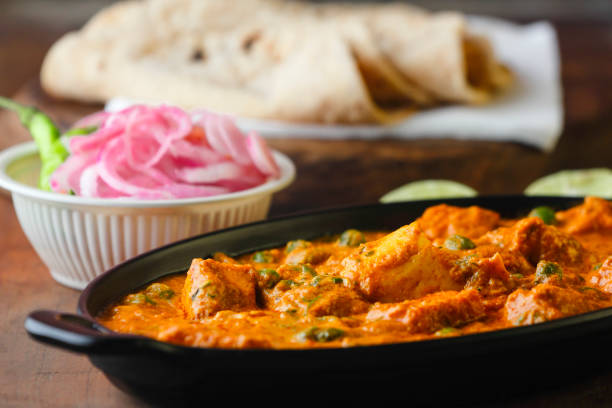
Introduction: Gluten and Indian cuisine
Indian cuisine is known for its flavorful spices and rich taste, but it can be a challenge for those who are gluten intolerant. Gluten is a protein found in wheat, barley, and rye, which makes it a common ingredient in many Indian dishes such as naan, roti, samosas, and biryanis. However, with the growing awareness of gluten intolerance and celiac disease, it has become essential to explore gluten-free Indian cuisine.
Understanding gluten and its effects on health
Gluten is a protein that can cause problems for people with celiac disease or gluten intolerance. When gluten is consumed, it triggers an autoimmune response that damages the small intestine lining. This damage can lead to malabsorption of nutrients and cause symptoms such as abdominal pain, bloating, diarrhea, and fatigue. It is important to note that some people may also experience non-celiac gluten sensitivity, which does not cause damage to the small intestine but can still cause symptoms.
Common gluten-containing ingredients in Indian cuisine
Wheat flour is a common ingredient in many Indian dishes, including bread, naan, roti, and parathas. Other ingredients that may contain gluten include semolina, rava, couscous, bulgur, barley, and some spice blends. It is important to read food labels carefully and ask questions about ingredients when eating out.
Dishes to avoid when eating gluten-free in Indian restaurants
When dining out, it is important to be vigilant about dishes that may contain gluten. Some dishes to avoid include naan, roti, kulcha, samosas, bhaturas, and any fried dishes that may be coated in flour. It is also important to be aware of cross-contamination when ordering dishes that are otherwise gluten-free.
Gluten-free substitutes for common Indian ingredients
There are several gluten-free alternatives that can be used in place of wheat flour and other gluten-containing ingredients. Almond flour, coconut flour, rice flour, besan (chickpea flour), and buckwheat flour are some of the most commonly used gluten-free flours in Indian cuisine. Other substitutes include quinoa, amaranth, and millet.
Traditional gluten-free Indian dishes to try at home
There are many traditional Indian dishes that are naturally gluten-free, such as dal, chana masala, aloo gobi, baingan bharta, and tandoori chicken. These dishes are made with gluten-free ingredients and can easily be adapted to suit personal tastes and dietary requirements.
Tips for cooking gluten-free Indian cuisine
When cooking gluten-free Indian cuisine, it is important to be aware of cross-contamination. Use separate utensils, cutting boards, and cooking surfaces for gluten-free and gluten-containing ingredients. It is also important to read food labels carefully and use gluten-free ingredients when possible.
Finding gluten-free options in Indian grocery stores
Indian grocery stores are a great resource for finding gluten-free ingredients and products. Look for gluten-free flours, ready-to-eat meals, and snacks that are labeled as gluten-free. Be sure to read labels carefully and ask for help from store employees if needed.
Gluten-free dining out in Indian restaurants
When dining out in Indian restaurants, it is important to communicate with the server about dietary restrictions. Ask questions about ingredients and how dishes are prepared. Look for dishes that are naturally gluten-free or can be easily adapted, such as grilled meats and vegetables.
Conclusion: Embracing gluten-free Indian cuisine
Exploring gluten-free Indian cuisine can be a delicious and rewarding experience. By understanding gluten and its effects on health, avoiding common gluten-containing ingredients, and seeking out gluten-free alternatives, it is possible to enjoy the rich flavors and spices of Indian cuisine without compromising dietary restrictions. With a little bit of creativity and knowledge, anyone can embrace gluten-free Indian cuisine.


Facebook Comments