 John Myers
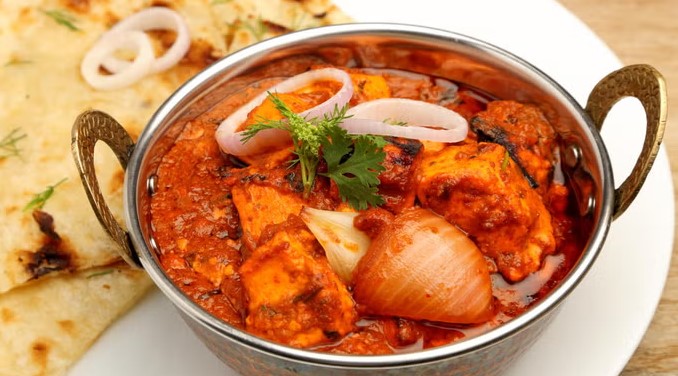
Introduction: The Flavors of India
Indian cuisine is as diverse as the country itself. From the northern region of Kashmir to the southern state of Kerala, there is a rich variety of flavors and spices that make Indian cuisine unique. The cuisine of India is known for its intricate spices, herbs, and flavors that create a perfect fusion of taste and aroma.
Indian food is not only delicious but also healthy. The use of spices, herbs, and vegetables in Indian dishes makes it a nutritious and wholesome meal. Indian cuisine has gained global popularity, and its flavors can be found in every corner of the world.
Aromatic Spices: The Foundation of Indian Cuisine
Indian cuisine is defined by its use of aromatic spices. From cumin, coriander, and turmeric to cardamom, cinnamon, and cloves, the use of spices is at the heart of Indian cooking. These spices not only add flavor but also have health benefits.
Spices are used in different forms such as whole, ground, or roasted, and are added at different stages of cooking to release their flavors. The art of using spices is what makes Indian food unique and flavorful.
Regional Varieties: North to South and East to West
India is a country of diverse cultures and cuisines. Each region has its own unique flavors and specialties. The northern region of India is known for its rich and creamy curries, while the southern region is known for its spicy and tangy dishes.
The eastern region of India is famous for its seafood, while the western region is known for its use of tandoor ovens and grilled dishes. Each region has its own unique flavors and ingredients that contribute to the richness of Indian cuisine.
Vegetarian Delights: A Large Part of Indian Cuisine
Vegetarianism is a way of life for many Indians, and as a result, vegetarian dishes are an integral part of Indian cuisine. Indian vegetarian dishes are not only healthy but also flavorful and satisfying.
Vegetables such as okra, eggplant, and potatoes are used to create delicious curries and stir-fry dishes. Lentils and legumes are also a staple in Indian vegetarian cuisine and are used to create wholesome and nutritious meals.
Meat Dishes: From Tandoori Chicken to Biryani
While vegetarian dishes are a large part of Indian cuisine, meat dishes are also popular. Chicken, lamb, and fish are commonly used in Indian cuisine to create flavorful curries, biryanis, and kebabs.
Tandoori chicken is a popular Indian dish that is marinated in yogurt and spices and cooked in a tandoor oven. Biryani is a mixed rice dish that is commonly made with chicken or lamb and flavored with spices and herbs.
Breads and Sides: Naan, Roti, and Chutneys
Breads and sides are an essential part of Indian cuisine. Naan and roti are types of flatbreads that are commonly served with curries and other dishes. Chutneys, made with a variety of ingredients such as mint, coriander, and tamarind, are used to add flavor and balance to dishes.
Other sides such as raita, a yogurt-based side dish, and papad, a crispy lentil-based snack, are also commonly served with Indian meals.
Sweet Treats: Desserts and Beverages
Indian cuisine is known for its sweet treats. Gulab jamun, rasgulla, and kulfi are popular desserts that are served at Indian restaurants and households. These desserts are made with milk, sugar, and a variety of flavors such as cardamom and saffron.
Chai, a popular Indian beverage, is made from tea leaves, spices, and milk. Lassi, a yogurt-based drink, is a refreshing and healthy drink that is commonly consumed in India.
Street Food: Chaat, Samosas, and Vada Pav
Street food is an essential part of Indian cuisine. Chaat, a savory snack made with crispy fried dough, potatoes, and chutneys, is a popular street food in India. Samosas, crispy fried pastries filled with spiced potatoes or meat, are also commonly eaten as a snack.
Vada pav, a Mumbai street food, is a sandwich made with a deep-fried potato patty, chutneys, and bread. Street food in India is not only delicious but also affordable and easily accessible.
Indian Fusion: Where Traditional Meets Modern
Indian cuisine has evolved over time and has been influenced by different cultures and cuisines. Indian fusion food, where traditional Indian dishes are fused with modern ingredients and techniques, has gained popularity in recent years.
Indian fusion dishes such as butter chicken pizza and masala mac and cheese are examples of how Indian cuisine has been adapted to suit the modern palate.
Conclusion: The Richness of Indian Cuisine
Indian cuisine is a rich and diverse cuisine that is known for its complex flavors and spices. Its vegetarian and meat dishes, breads and sides, sweet treats, and street food are all part of what makes Indian cuisine unique.
The fusion of traditional and modern cooking techniques has also contributed to the evolution of Indian cuisine. The popularity of Indian cuisine globally is a testament to its delicious flavors and wholesome ingredients.



Facebook Comments