 John Myers
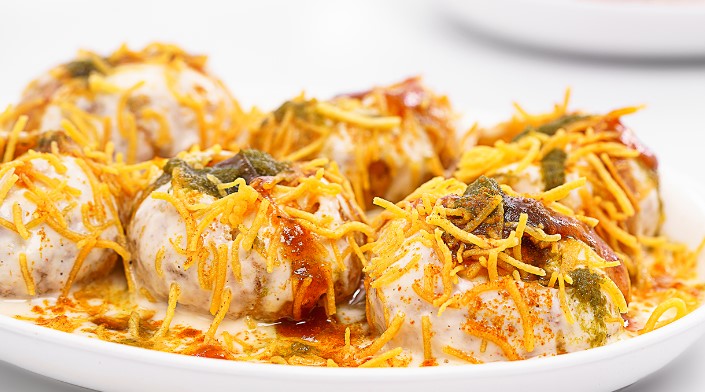
Introduction: India’s Sweet and Savory Delights
India is a land of diverse cultures, traditions, and cuisine. The country’s culinary heritage is a blend of various regional and cultural influences that have shaped its cuisine into a rich tapestry of flavors, aromas, and textures. Indian cuisine is famous for its spicy curries, aromatic rice dishes, and a vast array of sweets and snacks that offer a glimpse into the country’s rich culture and traditions. Indian sweets and snacks are not just a treat for the taste buds but also a reflection of the emotions, customs, and beliefs that are deeply ingrained in the country’s social fabric.
A Brief History of Indian Sweets and Snacks
The history of Indian sweets and snacks can be traced back to ancient times when the country was ruled by various dynasties that brought with them their own culinary traditions. The Mughals, for instance, introduced Persian-inspired sweets such as Gulab Jamun, Rasgulla, and Shahi Tukda, while the South Indian Cholas introduced the crispy snack Murukku. The colonial era also left its mark on Indian food, with the British influence leading to the creation of sweets such as the famous Mysore Pak and British-inspired snacks such as the Samosa. The evolution of Indian sweets and snacks has been shaped by various cultural, religious, and social factors, making it a fascinating subject of study for food historians and enthusiasts alike.
Popular Sweets from Across India’s Regions
India’s regional diversity is reflected in its sweets and snacks, with each state having its unique specialties. In the North, you have the famous delicacies such as Ladoo, Gajar ka Halwa, and Petha. In the East, sweets such as Rasagolla, Sandesh, and Chum Chum rule the roost. In the West, you have the famous Shrikhand, Modak, and Puran Poli. In the South, you have the mouth-watering Mysore Pak, Payasam, and Kaju Katli. These sweets are not just a treat for the taste buds but also a reflection of the region’s cultural heritage, customs, and beliefs.
Top 10 Must-Try Sweet Delicacies in India
When it comes to Indian sweets, the choices are endless, and it’s tough to pick just a few. However, there are some sweets that one must try when in India. The top 10 must-try sweet delicacies in India include Gulab Jamun, Rasgulla, Ladoo, Jalebi, Barfi, Pedha, Halwa, Kaju Katli, Mysore Pak, and Rasmalai. These sweets are not just popular amongst locals but have also gained international recognition and are exported to various countries worldwide.
Regional Snacks: A Tour of India’s Street Food
India’s street food is a culinary delight, with each region offering its unique take on snacks. From the famous Samosas of North India to the Vada Pav of Mumbai and the Dosa of the South, street food is a reflection of the region’s culture, traditions, and beliefs. The spice levels vary from region to region, and the snacks are often served with chutneys and sauces that add to the flavor. Street food is not just a treat for the taste buds but also a cultural experience.
The Art of Making Indian Sweets and Snacks
Making Indian sweets and snacks is an art that requires skill, patience, and attention to detail. The ingredients used are often locally sourced, and the cooking techniques vary from region to region. The art of making Indian sweets and snacks has been passed down from generation to generation, and many families have their secret recipes that are closely guarded. The use of natural ingredients and traditional cooking methods ensures that Indian sweets and snacks retain their authentic flavor and texture.
Health Benefits and Nutritional Value of Indian Sweets
Indian sweets and snacks are not just a treat for the taste buds but also offer several health benefits. Many sweets are made using natural ingredients such as milk, ghee, and nuts, which are rich in nutrients and essential minerals. Snacks such as Murukku and Chivda are often made using whole grains, making them a healthier option than fried snacks. Several sweets such as the famous Rasgulla are low in calories and fat and are a guilt-free indulgence.
The Role of Sweets and Snacks in Indian Culture
Sweets and snacks play a significant role in Indian culture and are an integral part of various festivals, celebrations, and rituals. Sweets are offered to deities during puja, and snacks are served during weddings, birthdays, and other special occasions. Sweets are also exchanged as gifts amongst family and friends, and it is believed that sharing sweets brings good luck and prosperity. Sweets and snacks are not just food but are a means of connecting with one’s cultural heritage and traditions.
Where to Find the Best Sweets and Snacks in India
India’s streets and markets are a treasure trove of sweets and snacks, and it’s tough to pick just one place to find the best. However, some places are famous for their sweets and snacks, such as Kolkata’s famous sweet shops, Delhi’s Chandni Chowk, Mumbai’s Crawford Market, and Chennai’s Mylapore. These places offer a wide range of sweets and snacks and are a must-visit for any food lover.
Conclusion: India’s Sweets and Snacks – A Culinary Adventure
India’s sweets and snacks are a reflection of its rich cultural heritage and diverse culinary traditions. The country’s regional diversity is reflected in its sweets and snacks, making it a fascinating subject of study for food enthusiasts. Indian sweets and snacks are not just a treat for the taste buds but also offer several health benefits. The art of making Indian sweets and snacks has been passed down from generation to generation, making it a valuable cultural heritage. If you’re a food lover, India’s sweets and snacks are a must-try, and they offer a culinary adventure that you’ll remember for a lifetime.


Facebook Comments