 John Myers
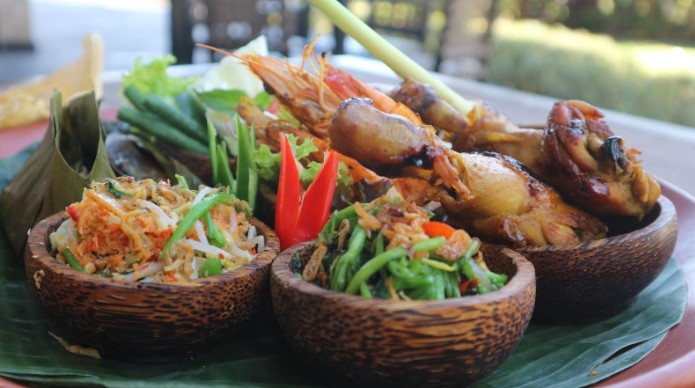
Introduction: Indonesian Fusion Cuisine
Indonesia, with its diverse mix of cultures, has a rich culinary heritage that has been shaped by centuries of trade and colonization. The country’s cuisine is a fusion of traditional Indonesian dishes and the culinary influences of its European, Chinese, Middle Eastern, and Indian neighbors. Indonesian fusion cuisine combines these traditional recipes with elements of other cuisines to create new and exciting flavors that reflect the country’s multicultural roots.
The Diversity of Indonesian Cuisine
Indonesian cuisine is incredibly diverse, with over 300 ethnic groups and thousands of islands, each with its unique culinary traditions. The cuisine is characterized by its use of aromatic herbs and spices such as ginger, garlic, lemongrass, turmeric, and galangal. Rice is a staple food, and dishes are often served with a variety of vegetables, meat, and seafood.
Indonesian cuisine also has a wide range of vegetarian and vegan options, with dishes like Gado-gado (a salad of boiled vegetables with peanut sauce) and Rendang Sayur (a vegetable version of the famous Rendang curry). Indonesian cuisine is also known for its use of sauces, such as Sambal (a spicy chili sauce), Kecap Manis (a sweet soy sauce), and Bumbu (a spice paste used in marinades and curries).
The Influence of Indonesia’s History
Indonesia’s history has had a significant impact on its cuisine. The country was once a significant trading hub, and its cuisine has been influenced by the cultures of the traders who passed through its ports. The arrival of the Dutch in the 17th century introduced European ingredients such as potatoes, carrots, and tomatoes, which were incorporated into traditional Indonesian dishes.
The Chinese also played a significant role in shaping Indonesian cuisine, with their influence visible in dishes such as Nasi Goreng (Indonesian fried rice) and Bakmi (noodles). Middle Eastern and Indian traders brought spices such as cumin, coriander, and cardamom to Indonesia, which are now commonly used in Indonesian dishes.
The Ingredients of Indonesian Fusion Cuisine
Indonesian fusion cuisine combines traditional Indonesian ingredients and techniques with elements from other cuisines. For example, Indonesian fusion dishes may use Italian pasta, but the sauce may be flavored with Indonesian spices. Similarly, a Japanese-style sushi roll may be filled with Indonesian ingredients like tempeh and peanut sauce.
Other popular ingredients in Indonesian fusion cuisine include avocado, cheese, and quinoa. These ingredients are not typically found in traditional Indonesian dishes but are used to add new textures and flavors to fusion dishes.
Popular Fusions: Indonesian and Western Cuisine
Indonesian and Western fusion cuisine is a popular trend, with dishes like Nasi Goreng Burgers and Rendang Pizza appearing on menus around the world. These dishes combine traditional Indonesian flavors with Western ingredients and cooking techniques, creating new and exciting dishes.
Popular Fusions: Indonesian and Chinese Cuisine
Indonesian and Chinese cuisine have a long history of influence on each other, with dishes like Bakmi and Nasi Campur (mixed rice dish) incorporating Chinese cooking techniques and ingredients. Indonesian and Chinese fusion dishes include Chinese-style dumplings filled with Indonesian spices, and Indonesian-style fried rice with Chinese sausage.
Popular Fusions: Indonesian and Indian Cuisine
Indonesian and Indian cuisines share many similarities, with both using a wide variety of spices and herbs. Indonesian fusion dishes with Indian influences include Rendang Curry with Indian spices and Indian-style samosas filled with Indonesian ingredients.
Popular Fusions: Indonesian and Japanese Cuisine
Indonesian and Japanese cuisine may seem like an unlikely pairing, but fusion dishes like Indonesian-style sushi rolls and Japanese-style Ramen with Indonesian spices are becoming more popular.
Popular Fusions: Indonesian and Korean Cuisine
Korean cuisine’s popularity is on the rise, and fusion dishes with Indonesian influences, such as Korean-style fried chicken with Indonesian spices and Indonesian-style Bibimbap (mixed rice dish), are gaining popularity.
Conclusion: Discover the Delights of Indonesian Fusion Cuisine
Indonesian fusion cuisine is a culinary adventure that combines traditional Indonesian dishes with elements of other cuisines, creating new and exciting flavors. The country’s diverse culinary heritage and history make it an excellent source of inspiration for fusion dishes. Whether it’s Indonesian and Western, Indonesian and Chinese, or Indonesian and Indian cuisine, there’s always something new and exciting to discover in Indonesian fusion cuisine.


Facebook Comments