 John Myers
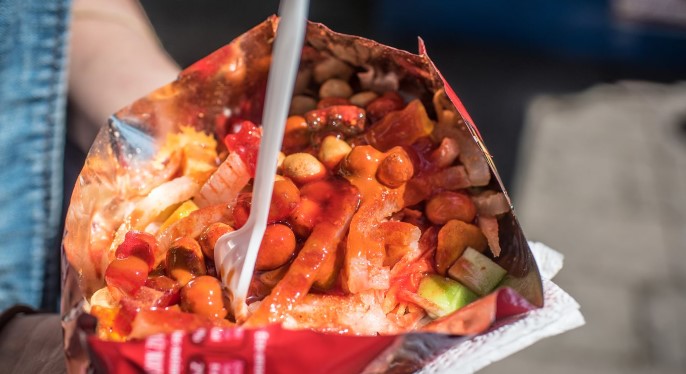
Introduction: Mexican Street Food Culture
Mexican street food is a vibrant and integral part of the country’s culinary heritage. From bustling cities to small towns, you can find vendors selling a variety of snacks from carts or stalls on the side of the road. The smells, colors, and flavors of Mexican street food are a feast for the senses, and it’s no wonder that they have gained worldwide recognition.
Mexican street food culture is a reflection of the country’s rich history and diverse regional cuisines. The influences of indigenous, Spanish, and other cultures have merged to create a unique culinary landscape that celebrates and embraces street food. From tacos and tortas to elotes and tamales, there is something for everyone to enjoy.
The Origin and Evolution of Street Snacks
Mexican street snacks have a long history dating back to pre-Hispanic times. The Aztecs would sell tamales and other dishes in the marketplace, and this tradition continued after the arrival of the Spanish. Over time, street food evolved to include a wider range of ingredients and flavors, incorporating elements from different regions and cultures.
In the 20th century, street food became even more popular as people began to migrate to urban areas for work. Vendors set up shop on street corners and in parks, offering cheap and convenient snacks to busy city-dwellers. Today, Mexican street food is enjoyed by people of all ages and backgrounds, and has become an important part of the country’s culinary identity.
The Role of Street Snacks in Mexican Society
Street snacks are more than just a quick bite to eat – they are an important part of Mexican social culture. They are often consumed on the go or while standing around with friends or family, creating a sense of community and shared experience. Street food also plays a role in many festivals and celebrations, with vendors selling specialties that are unique to each occasion.
In addition, street snacks have become a source of income for many people, particularly those who may not have access to formal employment. Street food vendors are often entrepreneurial and creative, finding ways to stand out from the competition and build a loyal customer base. They are a vital part of the economy and the fabric of Mexican society.
Region-Specific Street Snacks: A Tour
Mexican street food is incredibly diverse, with each region offering its own unique specialties. In Mexico City, for example, you can find tacos al pastor (spicy pork tacos) and quesadillas, while in Oaxaca, tlayudas (large, crispy tortillas with toppings) and chapulines (spicy grasshoppers) are popular. Other regional specialties include churros in Guadalajara, carnitas (slow-cooked pork) in Michoacán, and panuchos (tortillas filled with refried beans and topped with meat) in the Yucatán.
Trying different regional street snacks is a great way to explore the diverse flavors of Mexican cuisine. It’s also a way to learn about the history and culture of each region, as many street snacks have been passed down through generations.
Tasting the Flavors of Mexican Street Snacks
Mexican street snacks are known for their bold and complex flavors. From the rich, smoky taste of barbacoa (slow-cooked meat) to the tangy and spicy kick of salsa verde (green salsa), every bite is packed with flavor. Many street snacks also incorporate a variety of textures, from the crispy crunch of chicharrones (fried pork rinds) to the soft and pillowy texture of tamales.
Tasting Mexican street snacks is a truly immersive experience, as the flavors and smells transport you to the vibrant streets of Mexico. Whether you’re a seasoned foodie or a casual snacker, there’s something for everyone to enjoy.
Ingredients and Techniques: A Culinary Analysis
Mexican street snacks are often made with simple, fresh ingredients that are readily available. Corn, beans, and chili peppers are staples of Mexican cuisine, and can be found in many street snacks. Other common ingredients include meat, cheese, and vegetables such as onions, tomatoes, and avocados.
The techniques used to prepare street snacks vary depending on the type of dish. Some, like elotes (grilled corn), are simply cooked over an open flame, while others require more complex preparations such as slow-cooking or frying. Many street snacks are made on the spot, with vendors assembling ingredients in front of customers to create a fresh and tasty snack.
Street Snacks and Health: A Nutritionist’s Perspective
While Mexican street snacks are undoubtedly delicious, they are not always the healthiest option. Many are high in fat, calories, and sodium, and can contribute to health issues like obesity and heart disease. However, there are ways to make healthier choices when it comes to street snacks.
One tip is to look for snacks that incorporate vegetables, such as grilled corn or tacos with lots of fresh toppings. It’s also important to monitor portion sizes and avoid overindulging. Additionally, it’s a good idea to balance street snacks with other healthy foods, such as fruits and vegetables.
The Future of Mexican Street Snacks
The popularity of Mexican street snacks shows no signs of slowing down, both within Mexico and around the world. In recent years, there has been a growing interest in Mexican cuisine, with chefs and food enthusiasts exploring the flavors and techniques of street food.
As the demand for Mexican street snacks continues to rise, there is also a growing awareness of the importance of sustainability and ethical practices. Many vendors are adopting eco-friendly practices and using locally sourced ingredients to reduce their impact on the environment.
Bringing Mexican Street Snacks to Your Kitchen
If you’re inspired to try making Mexican street snacks at home, there are many resources available to help you get started. Cookbooks, online tutorials, and cooking classes can all provide guidance and inspiration. Some popular street snacks that are easy to make at home include guacamole, salsa, and churros.
Bringing the flavors of Mexican street food into your kitchen is a fun and delicious way to explore the country’s culinary heritage. It’s also a way to support local vendors and celebrate the vibrant culture of Mexico.
Conclusion: A Celebration of Mexican Street Snacks
Mexican street snacks are more than just food – they are a celebration of culture, history, and community. From humble beginnings to worldwide recognition, street food has become an integral part of Mexico’s culinary identity. Whether you’re wandering the streets of Mexico City or trying your hand at making churros at home, exploring the flavors and stories of Mexican street snacks is a truly satisfying experience.



Facebook Comments