 Robert Zelesky
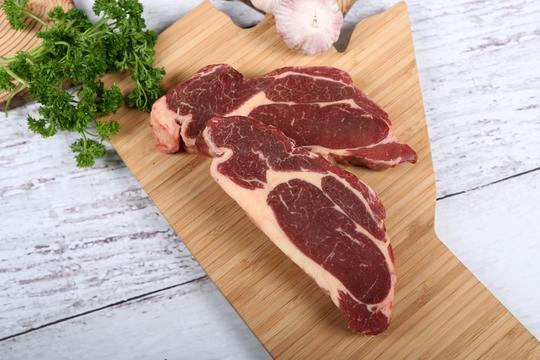
Saskatchewan Bison Ribeye showcases the rich flavors and lean, tender texture of bison meat, a staple of the Canadian prairies. This article delves into the significance of bison in Saskatchewan’s culinary heritage, highlights the nutritional benefits of bison meat, provides cooking tips for preparing bison ribeye steak, and offers a detailed recipe that captures the essence of this iconic prairie dish.
Bison in Saskatchewan: Culinary Heritage and Sustainability
Bison, often referred to as buffalo, holds a significant cultural and historical importance in Saskatchewan. Once nearly extinct, bison herds have made a remarkable recovery due to conservation efforts and sustainable ranching practices. Today, bison meat is celebrated not only for its robust flavor but also for its nutritional benefits and environmentally friendly production.
Nutritional Benefits of Bison Meat
Bison meat is a nutrient-rich alternative to traditional beef, offering several health benefits:
- Lean Protein: Bison meat is leaner than beef, making it a healthier choice for those looking to reduce saturated fat intake while still enjoying a protein-rich diet.
- High in Iron and Zinc: Bison meat is a good source of iron and zinc, essential minerals that support immune function, energy production, and overall well-being.
- Rich in B Vitamins: Bison meat contains B vitamins such as B12, niacin, and riboflavin, which play crucial roles in metabolism and maintaining healthy skin, nerves, and red blood cells.
Cooking Tips for Bison Ribeye Steak
When preparing bison ribeye steak, follow these tips to ensure optimal flavor and texture:
- Seasoning: Bison meat has a rich, slightly sweet flavor that pairs well with simple seasonings like salt, pepper, and fresh herbs. Avoid over-seasoning to allow the natural flavor of the meat to shine.
- Cooking Method: Bison ribeye steaks are best cooked to medium-rare or medium doneness to preserve their tenderness and prevent them from becoming tough. Use a hot grill, skillet, or broiler to sear the steaks quickly and evenly.
- Resting: Allow the cooked bison ribeye steaks to rest for a few minutes before slicing. This allows the juices to redistribute throughout the meat, ensuring each bite is juicy and flavorful.
Recipe for Saskatchewan Bison Ribeye Steak
Ingredients:
- 2 bison ribeye steaks, about 8 ounces each
- 2 tablespoons olive oil
- Salt and freshly ground black pepper, to taste
- 2 cloves garlic, minced
- Fresh herbs (such as thyme or rosemary), chopped for garnish
Instructions:
- Preheat the Grill or Skillet:
- Preheat your grill or skillet over medium-high heat. Brush the bison ribeye steaks with olive oil and season generously with salt and pepper on both sides.
- Cook the Bison Ribeye Steaks:
- Place the steaks on the hot grill or skillet and cook for 3-4 minutes per side for medium-rare, or adjust cooking time to your desired level of doneness.
- Add Garlic and Herbs:
- During the last minute of cooking, add minced garlic to the skillet or grill and cook until fragrant, about 30 seconds. Sprinkle fresh herbs over the steaks and remove from heat.
- Rest and Serve:
- Transfer the cooked bison ribeye steaks to a cutting board and let them rest for 5 minutes. This allows the juices to settle and the flavors to meld.
- Slice and Garnish:
- Slice the bison ribeye steaks against the grain into thin strips. Arrange on a serving platter and garnish with additional fresh herbs if desired.
Serving Suggestions
- Accompaniments: Serve Saskatchewan Bison Ribeye Steak with roasted potatoes, seasonal vegetables, or a fresh garden salad for a balanced meal that highlights the natural flavors of the prairies.
- Wine Pairing: Pair this hearty dish with a robust red wine such as a Cabernet Sauvignon or Merlot to complement the rich flavors of the bison meat.
- Leftovers: Any leftover bison ribeye steak can be thinly sliced and used in sandwiches, wraps, or salads for a delicious and protein-packed lunch option.
Embracing Prairie Cuisine
Saskatchewan Bison Ribeye showcases the best of prairie cuisine—simple yet flavorful dishes that celebrate the natural bounty of the land. By preparing this recipe, you can experience the rich flavors and cultural heritage of Saskatchewan while enjoying a wholesome and nutritious meal that pays homage to the region’s iconic bison. Whether shared with family and friends or savored as a solo dining experience, Saskatchewan Bison Ribeye invites you to embrace the essence of the Canadian prairies in every delicious bite.
Conclusion
Saskatchewan Bison Ribeye offers a taste of the prairies with its tender, flavorful meat and straightforward preparation. By exploring this recipe and cooking with bison ribeye steak, you can celebrate the culinary heritage and sustainable practices that define Saskatchewan’s food culture. Whether you’re a seasoned chef or an adventurous home cook, Saskatchewan Bison Ribeye promises to deliver a memorable dining experience that highlights the natural flavors and nutritional benefits of bison meat, making it a standout dish on any table.



Facebook Comments