 John Myers
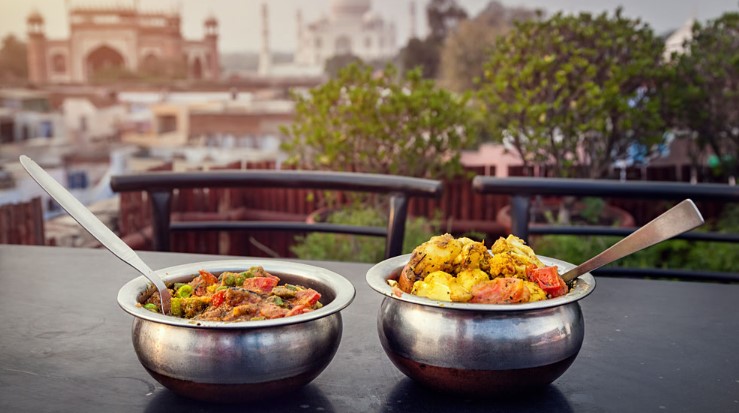
Introduction: Taj Indian Cuisine
Taj Indian cuisine is one of the oldest and richest cuisines in the world. Known for its complex flavors, rich spices, and unique cooking techniques, Taj Indian cuisine has become a popular choice for foodies around the globe. Taj Indian cuisine offers a wide variety of vegetarian and non-vegetarian dishes that are sure to tantalize your taste buds.
The History of Taj Indian Cuisine
The roots of Taj Indian cuisine can be traced back to the Indus Valley civilization, which dates back to around 3000 BCE. Over the centuries, Taj Indian cuisine has been influenced by various cultures and civilizations, including the Mughal Empire, British Empire, Portuguese, and Dutch. The Mughal Empire played a significant role in shaping the cuisine, as they introduced a range of spices and herbs that are still used in Taj Indian cuisine today.
Ingredients Used in Taj Indian Cuisine
Taj Indian cuisine is known for its use of complex spice blends, which include cumin, coriander, turmeric, ginger, and cardamom. A variety of vegetables, grains, legumes, and meats are also used in Taj Indian cuisine. Some of the most commonly used vegetables include potatoes, tomatoes, onions, and spinach. Popular meats include chicken, lamb, and beef.
Regional Variations in Taj Indian Cuisine
Taj Indian cuisine varies greatly from region to region, with each region having its own unique flavors and cooking styles. For example, the cuisine of North India is characterized by its use of dairy products, such as yogurt and paneer, whereas the cuisine of South India is known for its use of rice and coconut. The cuisine of the coastal regions of India features a variety of seafood dishes, while the cuisine of the Punjab region is famous for its tandoori dishes.
Popular Dishes in Taj Indian Cuisine
Some of the most popular dishes in Taj Indian cuisine include butter chicken, biryani, samosas, naan bread, and tikka masala. Vegetarian dishes such as chana masala, saag paneer, and aloo gobi are also popular. Desserts such as gulab jamun and ras malai are a must-try for anyone who wants to explore the cuisine.
Techniques Used in Taj Indian Cuisine
Taj Indian cuisine uses a variety of cooking techniques, including frying, baking, grilling, and roasting. One of the most famous techniques used in Taj Indian cuisine is tandoor cooking, in which food is cooked in a clay oven. Another popular technique is dum cooking, in which food is cooked slowly over a low flame.
Nutritional Values of Taj Indian Cuisine
Taj Indian cuisine can be a healthy choice, as it features a wide variety of vegetables and legumes. Many dishes are also low in fat and high in fiber. However, some dishes can be high in calories and sodium, so it’s important to choose wisely.
Spices and Seasonings in Taj Indian Cuisine
Spices and seasonings are a key component of Taj Indian cuisine. Some of the most commonly used spices include cumin, coriander, turmeric, ginger, and cardamom. Other popular seasonings include garlic, onions, and tomatoes.
Pairing Taj Indian Cuisine with Beverages
Taj Indian cuisine pairs well with a variety of beverages, including beer, wine, and cocktails. For a non-alcoholic option, try a lassi or chai tea.
Conclusion: Discovering Taj Indian Cuisine
Exploring Taj Indian cuisine can be a truly rewarding experience, as it offers a wide variety of flavors, textures, and cooking techniques. Whether you are a vegetarian or a meat-eater, there is something for everyone in Taj Indian cuisine. So why not step outside of your culinary comfort zone and discover the rich and diverse world of Taj Indian cuisine?



Facebook Comments