 John Myers
Introduction: Discovering the World of Thali
Indian cuisine is renowned for its diverse flavors, spices, and aromatic herbs. Amongst the many meals that have become popular globally, Thali stands out as one of the most signature dishes. Thali is not just a meal; it is an experience that takes you on a gastronomic journey through the many regions of India, all in one plate. From a cultural perspective, Thali is a reflection of Indian traditions, hospitality, and generosity.
Origins of Thali: An Insight into its History
The origins of Thali can be traced back to the Vedic period, somewhere between 1500-1000 BCE. The concept of Thali was initially defined as a meal served on a plate made of leaves, and it was considered a means of offering reverence to deities. It was later adopted by Indian households and evolved into the modern-day Thali, which is a complete meal served on a steel platter. Thali is not just a dish; it is an important part of Indian culture and identity.
What is a Thali? Understanding its Significance
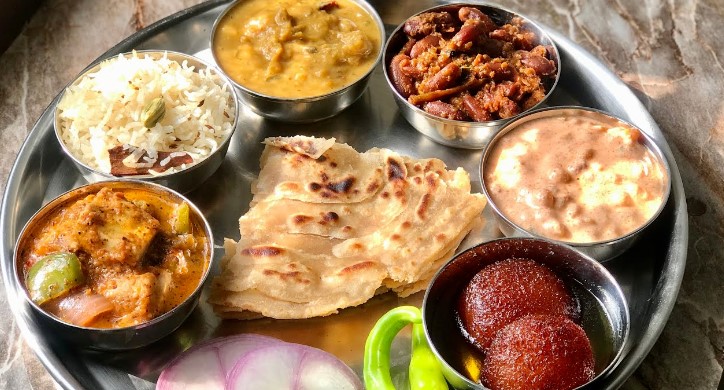
Thali is a complete meal served on a steel platter that consists of a variety of dishes, including rice, dal, vegetables, bread, salad, chutney, and dessert. Thali is designed to offer a balance of flavors, spices, and nutritional elements. The significance of Thali goes beyond satiating hunger; it is a reflection of Indian hospitality, generosity, and traditions.
The Variety of Thalis: A Gastronomic Journey
India is a land of diverse cultures and cuisines, and Thali is a perfect example of this. The variety of Thalis available throughout India is mind-boggling. Each region of India has its own unique Thali, which is a reflection of its culture and traditions. Some of the popular Thalis include Rajasthani Thali, Gujarati Thali, South Indian Thali, and Maharashtrian Thali, to name a few.
Ingredients of Thali: The Secret behind its Flavor
The secret behind the exceptional flavor of Thali lies in the quality and combination of ingredients used. Spices such as cumin, turmeric, coriander, and garam masala, along with herbs such as mint and coriander, are used to enhance the flavor of the dishes. Vegetables, lentils, rice, and bread form the main components of Thali, while chutneys and pickles add a tangy and spicy flavor to the meal.
Thali Presentation: Art of Arranging a Thali
Thali presentation is an art that requires skill and creativity. The platter is arranged in a particular order, with the rice in the center and the other dishes placed around it. The order of arrangement is specific to each Thali and varies from region to region. The presentation is not only a feast for the eyes but also adds to the overall experience of the meal.
Health Benefits of Thali: A Nutritious Meal
Thali is not only flavorful but also nutritious. The combination of lentils, vegetables, and bread provides a balanced mix of carbohydrates, protein, and fiber. The spices used in Thali are also known for their medicinal properties, such as turmeric, which has anti-inflammatory properties. Thali is a complete meal that is both satisfying and nourishing.
Thali and Culture: A Reflection of Indian Traditions
Thali is not just a meal; it is a reflection of Indian culture and traditions. The hospitality and generosity associated with Thali are an integral part of Indian culture. Thali is often served on special occasions such as weddings, festivals, and other celebrations, where it symbolizes the joy and abundance of the occasion.
Where to Find Thali: The Best Places to Indulge
Thali is widely available throughout India, from roadside dhabas to fine dining restaurants. However, some places are known for their exceptional Thalis, such as Chokhi Dhani in Jaipur, Maharaja Bhog in Mumbai, and Rajdhani in Delhi. Thali is a must-try for anyone visiting India, as it offers a glimpse into the diverse flavors and cultures that make up this vibrant country.
Thali and Beyond: The Future of Indian Cuisine
The popularity of Thali is not limited to India, as it has gained a following globally. Thali is a perfect example of how Indian cuisine has evolved, from humble beginnings to becoming a global phenomenon. The future of Indian cuisine lies in its ability to adapt to changing tastes and preferences, while still retaining its unique flavors and traditions. Thali is a dish that represents the best of Indian cuisine, and its popularity is only set to grow in the coming years.



Facebook Comments