 John Myers
Introduction: The Art of Indian Takeaway
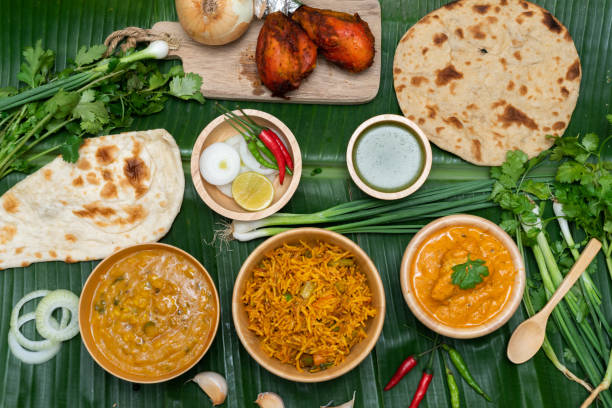
Indian cuisine has been popular worldwide for many years. Its rich and diverse flavors make it a favorite among foodies. Indian takeaway is a popular way to enjoy the cuisine, with many restaurants and food delivery services offering authentic Indian meals for delivery or takeaway. The art of Indian takeaway involves preserving the authentic flavors of Indian cuisine, while also catering to the preferences of the customers.
The Origins of Indian Takeaway: A Brief History
Indian takeaway has its roots in the British colonization of India. The British brought Indian cuisine back to the UK and established Indian restaurants to cater to the growing demand for Indian food. In the early 20th century, Indian food was considered exotic and a luxury, but over time it became more mainstream. Today, Indian takeaway is a popular way to enjoy Indian cuisine in the UK and around the world.
The Secrets to Authentic Indian Cuisine
The key to authentic Indian cuisine is the use of spices. Indian cooking uses a wide variety of spices to create complex and flavorful dishes. The use of fresh ingredients is also important to achieve authentic flavors. Another secret to authentic Indian cuisine is the use of traditional cooking methods, such as clay ovens, tandoors, and slow cooking.
Exploring the Spices of Indian Takeaway
Indian spices are the backbone of Indian cuisine. Some of the most commonly used spices in Indian cooking include cumin, coriander, turmeric, and cardamom. Each spice has its own unique flavor and is used in different combinations to create complex and flavorful dishes. Indian takeaway restaurants often have a wide selection of spices to choose from, allowing customers to customize their meals to their liking.
The Main Courses: A Guide to Indian Takeaway
Indian takeaway offers a variety of main courses, ranging from mild to spicy. Some of the most popular dishes include chicken tikka masala, butter chicken, and lamb rogan josh. Vegetarian options such as chana masala and vegetable korma are also widely available. Each dish has its own unique flavor profile and can be customized with different levels of spiciness.
The Side Dishes: A Complement to Indian Takeaway
Side dishes are an important part of Indian cuisine and are often served with main courses. Some popular side dishes include naan bread, rice, and samosas. Raita, a yogurt-based dip, is also commonly served to help balance out the spiciness of the main dish.
Vegetarian and Vegan Options in Indian Takeaway
Indian cuisine has a long tradition of vegetarian cooking, with many dishes designed specifically for vegetarians. Vegan options are also widely available in Indian takeaway, with many dishes made with plant-based ingredients such as lentils and chickpeas.
The Desserts: A Sweet Conclusion to Indian Takeaway
Indian desserts are known for their rich and sweet flavors. Some popular desserts include gulab jamun, a sweet fried dough ball soaked in syrup, and ras malai, a sweet cheese dumpling in cream. Mango lassi, a sweet and creamy mango drink, is also a popular dessert option.
Pairing Drinks with Indian Takeaway: Tips for a Perfect Meal
Pairing drinks with Indian takeaway can be a challenge due to the complex and spicy flavors of Indian cuisine. Some popular drink options include lassi, beer, and wine. Mango lassi pairs well with spicy dishes, while beer and wine can help balance out the spiciness of the main dish.
Conclusion: Savoring the Flavor of Indian Takeaway
Indian takeaway is a delicious and convenient way to enjoy authentic Indian cuisine. Whether you prefer mild or spicy dishes, vegetarian or meat-based, there is something for everyone in Indian takeaway. By exploring the spices, main courses, side dishes, and desserts of Indian takeaway, you can savor the rich and diverse flavors of this beloved cuisine.

Facebook Comments