 John Myers
What is Om Indian Cuisine?
Om Indian Cuisine is a vibrant and diverse cuisine that has captured the taste buds of millions around the world. It is a cuisine that combines spices, herbs, vegetables, and grains to create a unique and flavorful experience. Indian cuisine is renowned for its rich and complex flavors, which are achieved through the use of a wide range of spices, herbs, and other seasonings.
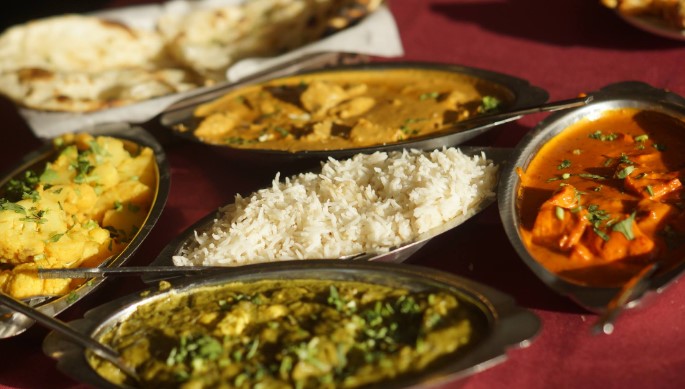
Indian cuisine is also characterized by its vibrant and colorful presentation, with dishes being served in a variety of styles, from curries and stews to street food and snacks. Om Indian Cuisine is deeply rooted in tradition and culture, with many dishes being passed down from generation to generation. With its unique flavors, textures, and aromas, Om Indian Cuisine is a culinary experience that is not to be missed.
The Roots of Om Indian Cuisine
Om Indian Cuisine has its roots in ancient Indian history, with dishes being influenced by a variety of factors, including geography, religion, and culture. Indian cuisine has evolved over thousands of years, with different regions of India developing their own unique culinary traditions.
The cuisine is heavily influenced by the Hindu religion, which promotes vegetarianism and abstaining from beef consumption. This has led to a strong emphasis on vegetarian dishes in Indian cuisine, with many traditional dishes using lentils, vegetables, and grains as a primary source of protein. Additionally, the cuisine has been shaped by the various invaders and conquerors who have passed through India’s borders over the centuries, including the Persians, Greeks, and Mongols, who brought new ingredients and cooking techniques to the region.
The Significance of Spices in Om Indian Cuisine
Spices play a crucial role in Om Indian Cuisine, adding depth, flavor, and complexity to dishes. Indian cuisine is known for its extensive use of spices, with some dishes containing over 20 different spices. Spices are used not only for their flavor but also for their medicinal properties, with many spices having health benefits.
Commonly used spices in Indian cuisine include cumin, coriander, turmeric, and cardamom, among others. These spices are often roasted or fried to release their aromas and enhance their flavors. Spices are used in a variety of forms, including whole, ground, and blended, with each form having its own unique flavor and texture.
The Role of Vegetarianism in Om Indian Cuisine
Vegetarianism plays a significant role in Om Indian Cuisine, with many traditional dishes being vegetarian or vegan. This is due in part to the influence of the Hindu religion, which promotes vegetarianism and abstaining from beef consumption.
In Indian cuisine, lentils, vegetables, and grains are used as a primary source of protein. Some popular vegetarian dishes include chana masala, a spicy chickpea curry, and aloo gobi, a dish made with potatoes and cauliflower. Additionally, many Indian desserts are also vegetarian, such as rasgulla, a sweet cheese ball, and gulab jamun, a fried milk-based dessert.
The Influence of Region on Om Indian Cuisine
The cuisine of India is highly diverse, and regional variations are reflected in the dishes of Om Indian Cuisine. Each region of India has its own unique culinary traditions, with different spices, ingredients, and cooking techniques being used.
For example, the cuisine of North India is characterized by its rich and creamy curries, while South Indian cuisine is known for its use of coconut and tamarind in dishes. The cuisine of East India is characterized by its use of mustard and poppy seeds, while the cuisine of West India is known for its use of seafood and coconut.
The Evolution of Om Indian Cuisine in America
The cuisine of India has become increasingly popular in America over the past few decades, with many Indian restaurants and food trucks opening across the country. Indian cuisine has evolved to suit the American palate, with dishes being adjusted to be less spicy and more familiar to American tastes.
However, many restaurants still offer traditional Om Indian Cuisine dishes, such as biryanis, dosas, and tandoori chicken. Additionally, fusion cuisine has become popular, with Indian flavors and ingredients being incorporated into American dishes, such as Indian-style pizza and burgers.
The Importance of Traditional Cooking Techniques
Traditional cooking techniques are an essential part of Om Indian Cuisine, with many dishes being prepared using ancient methods. Techniques such as tandoori cooking, which involves cooking food in a clay oven, and dum cooking, which involves slow-cooking food in a sealed pot, are still used today.
Additionally, many traditional dishes are prepared using a mortar and pestle to grind spices or a chakla belan, a flatbread rolling pin, to roll out dough for bread. These traditional techniques help to preserve the authenticity of Om Indian Cuisine and ensure that dishes are prepared in the same way they have been for generations.
The Art of Pairing Drinks with Om Indian Cuisine
Pairing drinks with Om Indian Cuisine is an art form, with different dishes requiring different types of drinks. Beer and wine are popular choices, with beer being a good choice to help cool the spice in dishes, while wine pairs well with milder dishes.
Indian drinks such as lassi, a yogurt-based drink, and chai, a spiced tea, are also popular choices. Additionally, cocktails are becoming increasingly popular, with Indian-inspired cocktails featuring ingredients such as mango, rose, and cardamom.
The Future of Om Indian Cuisine
The future of Om Indian Cuisine is bright, with the cuisine becoming increasingly popular both in India and around the world. As more people become aware of the health benefits of Indian cuisine, such as its emphasis on vegetarianism and its use of spices, the cuisine is likely to continue to grow in popularity.
Additionally, innovative chefs are experimenting with new flavor combinations and ingredients, creating new dishes that combine traditional Indian flavors with modern cooking techniques. The future of Om Indian Cuisine is sure to be exciting and delicious.
How to Experience Authentic Om Indian Cuisine
To experience authentic Om Indian Cuisine, it is essential to visit a traditional Indian restaurant that specializes in authentic Indian dishes. Look for restaurants that use traditional cooking techniques and fresh, high-quality ingredients.
When ordering, try to sample a variety of dishes, including vegetarian and non-vegetarian options. Don’t be afraid to ask your server for recommendations or to explain unfamiliar dishes. To truly experience the flavors of Indian cuisine, pair your meal with a traditional Indian drink, such as lassi or chai. With these tips, you can experience the rich and vibrant flavors of Om Indian Cuisine.


Facebook Comments