 John Myers
Introduction: Exploring Spicy Indian Cuisine
Indian cuisine is known for its bold and distinct flavors that are created by the use of a range of spices. The cuisine is characterized by its rich and diverse use of spices, which adds depth and complexity to each dish. Spices play a crucial role in Indian cooking and are used to enhance the flavor, color, and aroma of the dishes. Indian cuisine is also famous for its use of chili peppers, which gives the food its signature heat.
History of Spices in Indian Cuisine
India has a long history of trading and exporting spices, dating back to ancient times. The country was known as the “Land of Spices” and was a popular destination for traders from around the world, who came to purchase spices such as cinnamon, cardamom, and black pepper. The use of spices in Indian cuisine has been influenced by various cultures and civilizations, including the Mughal Empire, which introduced new spices and cooking techniques to the region.
The Role of Spices in Indian Cooking
Spices are an essential component of Indian cooking and are used to create complex flavor profiles. The use of spices varies from region to region and from dish to dish, with some dishes requiring a delicate balance of spices, while others are heavily spiced. Spices are also used for their medicinal properties and are believed to have health benefits such as aiding digestion and boosting the immune system.
Regional Variations in Indian Spices and Flavors
India is a vast country with a diverse range of regional cuisines. Each region has its own unique blend of spices and flavors, which reflects the local culture and traditions. In the north, spices such as cumin, coriander, and cardamom are commonly used, while in the south, spices such as mustard seeds, curry leaves, and coconut are popular. The cuisine of the east is influenced by Chinese and Burmese cuisine and is known for its use of mustard oil and fish.
Popular Spices Used in Indian Cooking
Some of the most commonly used spices in Indian cooking include cumin, coriander, turmeric, ginger, garlic, and chili peppers. Other popular spices include cinnamon, cardamom, fennel seeds, fenugreek, and cloves. The combination of these spices creates a unique flavor profile that is characteristic of Indian cuisine.
How to Balance Spice Levels in Indian Dishes
Balancing the spice levels in Indian dishes is a crucial aspect of cooking. Too much spice can overpower the dish, while too little can result in a bland flavor. It is essential to understand the heat levels of each spice and to use them in the correct proportion. It is also important to balance the heat of the dish with other flavors such as sweetness and acidity.
Traditional Indian Dishes with Bold Flavors
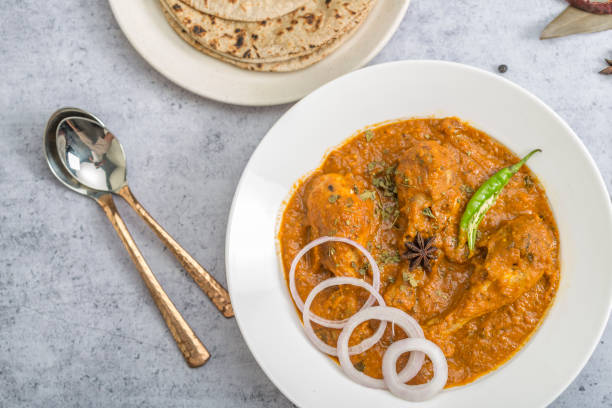
There are numerous traditional Indian dishes that are known for their bold and spicy flavors. Some of the most popular dishes include chicken tikka masala, butter chicken, vindaloo, and chana masala. These dishes are typically served with rice or naan bread and are enjoyed by people of all ages.
Vegetarian and Non-Vegetarian Spicy Indian Dishes
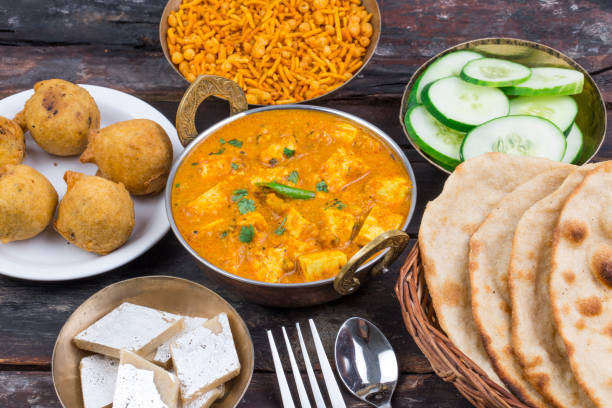
Indian cuisine has a rich variety of vegetarian and non-vegetarian dishes that are known for their bold flavors. Vegetarian dishes such as dal makhani, paneer tikka, and aloo gobi are commonly served in Indian households and restaurants. Non-vegetarian dishes such as lamb rogan josh, fish curry, and chicken biryani are also popular.
Pairing Spicy Indian Dishes with Wines and Beers
Pairing wine or beer with spicy Indian dishes can enhance the flavors of the food and make for a delightful dining experience. A full-bodied red wine such as a Shiraz or Cabernet Sauvignon pairs well with spicy meat dishes, while white wines such as Riesling or Chardonnay complement vegetarian dishes. Beer is also a popular choice and pairs well with spicy Indian cuisine.
Conclusion: Embrace the Heat of Indian Cuisine
Indian cuisine is a veritable feast of bold and spicy flavors that is sure to tantalize your taste buds. The cuisine is known for its rich use of spices and chili peppers that create a unique flavor profile. Whether you prefer vegetarian or non-vegetarian dishes, there is something for everyone in Indian cuisine. So, embrace the heat of Indian cuisine and enjoy the delicious flavors that it has to offer.


Facebook Comments