 John Myers
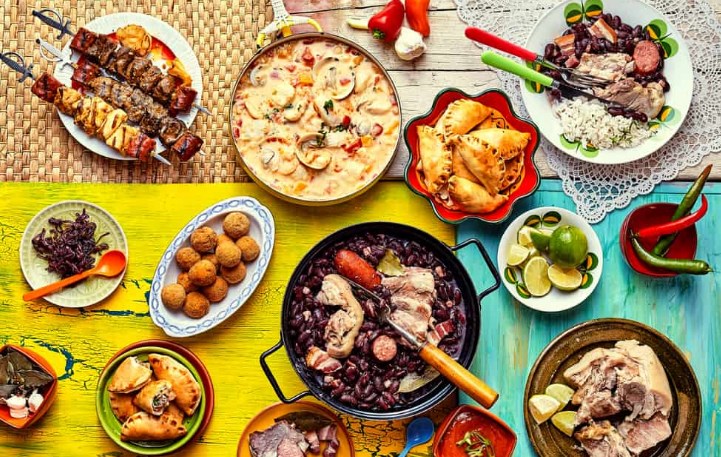
Introduction: Discovering Brazilian Cuisine
Brazilian cuisine is rich and diverse, reflecting the country’s cultural traditions and history. Brazilian food is known for its bold, spicy flavors, and its use of fresh, locally-sourced ingredients. From the beaches of Rio de Janeiro to the Amazon rainforest, Brazilian cuisine is as diverse as the landscape of the country itself. In this article, we will explore the delicious flavors of Brazilian cuisine, from classic dishes to street food and regional specialties.
A Multicultural Melting Pot: The Influences on Brazilian Food
Brazilian food is a fusion of indigenous, African, and European culinary traditions. Indigenous flavors and cooking techniques, such as the use of maize and cassava, are still central to Brazilian cuisine. The arrival of African slaves in Brazil in the 16th century brought new ingredients like palm oil, okra, and seafood that are now staples of Brazilian dishes. European influence is also evident in the use of meats, dairy products and bread, brought by the Portuguese colonizers. Brazilian chefs have also incorporated Asian flavors and ingredients, like soy sauce and sesame oil, in many popular dishes. All of these influences have come together to create a unique culinary experience that is distinctly Brazilian.
Starters and Snacks: Tasting the Best of Brazil
Brazilian cuisine offers a wide variety of appetizers and snacks. One popular snack is coxinha, which is a deep-fried dough filled with chicken or cheese. Pão de queijo, or cheese bread, is another popular snack made with cassava flour and cheese. Acarajé, a street food specialty from Bahia, is a deep-fried fritter made with black-eyed peas and served with spicy sauce and shrimp. Pastel, a crispy pastry filled with meat, cheese, or vegetables, is also a popular snack in Brazil.
Feijoada: The National Dish of Brazil
Feijoada is the national dish of Brazil and is often served on special occasions. It is a hearty stew made with black beans and various cuts of pork, such as bacon, sausage, and ribs. The dish is typically served with rice, kale, and orange slices to cut the richness of the stew. Feijoada is a beloved dish that represents the cultural diversity of Brazil.
Churrasco: A Meat Lover’s Paradise
Churrasco, or Brazilian-style barbecue, is a meat lover’s paradise. It is a popular way of cooking meat in Brazil, and the tradition dates back to the 17th century. Churrasco involves grilling a variety of meats, including beef, pork, and chicken, on skewers over an open flame. The meats are seasoned with salt and sometimes garlic, and are often served with farofa, a toasted cassava flour mixture, and vinaigrette sauce.
Seafood Delights: Fresh Catches from the Atlantic
Brazil has a long coastline and a rich seafood tradition. One popular seafood dish is moqueca, a stew made with fish or shrimp, coconut milk, spices, and vegetables. Another popular dish is camarão na moranga, which is baked shrimp in a pumpkin sauce. Peixe na brasa, or grilled fish, is also a popular seafood dish in Brazil.
Satisfying Sweets: Brazilian Desserts and Treats
Brazilian cuisine has a wide variety of desserts and sweets. Brigadeiro, a chocolate truffle made with condensed milk, cocoa powder, and butter, is a popular treat often served at celebrations. Beijinho, or little kiss, is similar to brigadeiro but is made with coconut instead of chocolate. Pudim de leite, a creamy caramel flan, and bolo de rolo, a rolled cake filled with guava paste, are other popular desserts in Brazil.
Drinks to Savor: Cocktails and Beverages from Brazil
Brazil is known for its vibrant and colorful cocktails, such as caipirinha, made with cachaça, lime, and sugar. Other popular cocktails include batida, made with cachaça and fruit juice, and the fruity and refreshing sangria. Guarana, a caffeine-rich soda made from a tropical fruit, is a popular beverage in Brazil.
Street Food: Tasting the Best of Brazil’s Food Stalls
Brazil has a rich street food culture, and there are many tasty snacks to try. Tapioca, a crepe made with cassava flour and filled with cheese, meat, or sweet toppings like Nutella and bananas, is a popular street food. Açaí bowls, made with acai berries, banana, and granola, are a refreshing and healthy snack. Pastel de feira, a fried pastry filled with meat or cheese, is another popular street food.
Regional Specialties: Exploring Brazilian Cuisine Across the Country
Brazil is a vast country, and each region has its own culinary specialties. In the northeast, dishes like acarajé, moqueca, and vatapá are popular. In the south, churrasco and feijoada are staples. In the Amazon region, dishes like tacacá, a soup made with tucupi (a type of cassava broth), and pupunha, a palm-heart dish, are favorites. Exploring the regional specialties of Brazil is an excellent way to experience the country’s diverse culinary traditions.


Facebook Comments