 John Myers

Introduction: Indian Vegetarian Cuisine
Indian cuisine is known for its rich and diverse range of vegetarian dishes. The country’s long-standing culture of vegetarianism is deeply rooted in religious, ethical, and cultural traditions. Indian vegetarianism is not just limited to the absence of meat, but also excludes fish, eggs, and any other animal products. Despite this limitation, Indian vegetarian cuisine offers a vast and flavorful array of dishes that can satisfy any palate.
The Health Benefits of Indian Vegetarianism
The vegetarian diet is well-known for its numerous health benefits, and Indian vegetarianism is no exception. Studies have shown that Indian vegetarian diets are generally low in saturated fat and cholesterol, and high in fiber, vitamins, and minerals. This diet has been linked to a reduced risk of chronic diseases like heart disease, diabetes, and certain types of cancer. Additionally, many of the herbs and spices used in Indian vegetarian cuisine, such as turmeric and ginger, have anti-inflammatory and antioxidant properties that help maintain good health.
Popular Vegetarian Dishes in Indian Cuisine
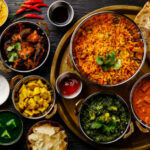
Indian vegetarian cuisine is a vast and varied landscape of flavors and textures. Some of the most popular vegetarian dishes include samosas, pakoras, dosas, idlis, chana masala, palak paneer, and dal makhani. These dishes are made with different combinations of vegetables, legumes, grains, and spices, and are typically served with rice, bread, or noodles. Each region of India has its own unique style of vegetarian cuisine, which makes for an endless variety of dishes to explore.
The Role of Spices in Indian Vegetarian Cooking
Spices are an integral part of Indian vegetarian cuisine, and they play a crucial role in the flavor and aroma of the dishes. Some of the most commonly used spices in Indian cooking are cumin, coriander, turmeric, ginger, garlic, and chili powder. These spices not only add flavor, but also have medicinal properties that aid digestion, improve mental clarity, and boost immunity. Indian cuisine also uses a variety of spice blends, such as garam masala, which is a mixture of ground spices like cinnamon, cardamom, and cloves.
Traditional Techniques for Cooking Indian Vegetarian Dishes
Indian vegetarian cuisine has a rich history that spans centuries, and traditional cooking techniques have been passed down through generations. One of the most popular techniques is tarka, which involves heating oil or ghee in a pan and adding spices, herbs, and aromatics to create a flavorful base for the dish. Another common technique is tempering, which involves frying spices in oil or ghee before adding them to the dish. Pressure cooking and slow-cooking are also commonly used methods in Indian vegetarian cooking.
The Best Vegetarian Ingredients in Indian Cuisine
Indian vegetarian cuisine incorporates a wide range of ingredients, from vegetables and fruits to grains and legumes. Some of the best vegetarian ingredients in Indian cuisine include paneer (a type of cottage cheese), lentils, chickpeas, potatoes, eggplant, cauliflower, spinach, and mustard greens. Rice, bread, and noodles are also important staples in Indian cuisine, and they are often used as accompaniments to the main dish.
Easy-to-Make Vegetarian Indian Recipes for Beginners
If you’re new to Indian vegetarian cuisine, there are a variety of easy-to-make recipes that you can try at home. Some popular ones include chana masala, a spicy chickpea curry; vegetable biryani, a rice dish made with vegetables and spices; and aloo gobi, a potato and cauliflower dish. These recipes usually require basic ingredients that can be found at any grocery store, and they are a great way to get started with Indian vegetarian cooking.
Special Occasion Vegetarian Menus in Indian Cuisine
Indian vegetarian cuisine is also well-suited for special occasions and celebrations. Many traditional Indian festivals, such as Diwali and Navratri, feature elaborate vegetarian feasts. Weddings and other family gatherings also typically have vegetarian menus. Some popular dishes for these occasions include shahi paneer, malai kofta, and ras malai.
Vegetarian Food and Culture in India
Vegetarianism has a long and deep-rooted history in Indian culture, dating back to ancient times. The practice of vegetarianism was further popularized by Jainism and Buddhism, which placed a strong emphasis on non-violence and compassion towards all living beings. Today, vegetarianism remains an important part of Indian culture, and the country has a wide range of vegetarian restaurants and food options.
Where to Find the Best Vegetarian Indian Food in the World
Indian vegetarian cuisine has become increasingly popular around the world, and there are many restaurants and food trucks that specialize in this cuisine. Some of the best places to find vegetarian Indian food include India itself, where you can experience the authentic flavors and techniques of Indian cooking. Other popular destinations include the United States, the United Kingdom, and Canada, where there are many vegetarian and vegan Indian restaurants.


Facebook Comments