 John Myers
Exploring the Diversity of Mexican Sweet Bread
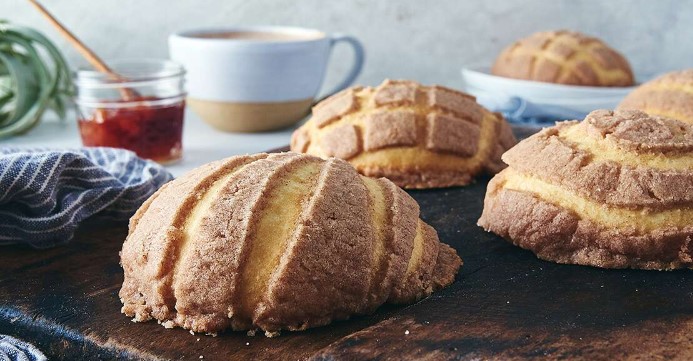
Mexican sweet bread, or pan dulce in Spanish, is a beloved culinary tradition in Mexico and has gained popularity in other parts of the world. It is a diverse category of baked goods that come in various shapes, sizes, and flavors. From conchas to cuernos, empanadas to mantecadas, Mexican sweet bread is an essential element of Mexican cuisine and culture.
The Origins of Mexican Sweet Bread
The history of Mexican sweet bread goes back to the colonial era when the Spaniards introduced wheat, sugar, and other ingredients to Mexico. The indigenous people of Mexico soon adapted these ingredients to their own culinary traditions, resulting in the creation of unique baked goods. The first Mexican sweet bread, called pan de yema, was made in the 18th century and was a simple yet delicious pastry that was soon followed by other varieties.
The Role of Sweet Bread in Mexican Culture
Mexican sweet bread is not just a treat to savor but also a cultural experience. It is a symbol of family gatherings, celebrations, and religious ceremonies. Sweet bread is often served with hot chocolate or coffee and is enjoyed by people of all ages. The act of buying or making sweet bread is a way of showing affection and love to friends and family.
Traditional Mexican Sweet Bread Recipes
Traditional Mexican sweet bread recipes use ingredients such as butter, eggs, sugar, and flour. Different types of sweet bread require different proportions and additional ingredients. For instance, conchas are topped with a crunchy, sugar-based shell, while empanadas are filled with fruit, jam, or cream. Other popular sweet bread varieties include cuernos, orejas, mantecadas, and campechanas.
Sweet Bread Varieties by Mexican Region
Mexican sweet bread varies by region, with each area having its own unique flavor and texture. For example, in Oaxaca, they make pan de muerto, a sweet bread that is traditionally eaten during the Day of the Dead celebrations. Meanwhile, in Baja California, they make conchas that are larger and fluffier than the ones found in other regions. In Puebla, they make camotes, which are sweet bread rolls filled with sweet potato.
Regional Flavors and Ingredients in Sweet Bread
The regional flavors and ingredients used in Mexican sweet bread reflect the diversity of Mexican cuisine. In some areas, sweet bread is flavored with anise seed, while in others, it is made with cinnamon, vanilla, or chocolate. Some sweet bread varieties are made with local fruits, such as pineapple, guava, or pumpkin. These flavors and ingredients are what make Mexican sweet bread unique and delicious.
The Art of Decorating and Shaping Sweet Bread
Mexican sweet bread is not just about flavor, but also about the art of decorating and shaping. Some sweet bread varieties are shaped like animals, fruits, or flowers. Others are decorated with colorful icing, sugar, or sesame seeds. This artistry adds to the appeal and fun of Mexican sweet bread and shows the creativity and talent of the bakers.
Mexican Sweet Bread and Holidays
Mexican sweet bread is an essential part of many Mexican holidays and celebrations. For example, during Christmas, families gather to drink hot chocolate and eat sweet bread, including pan de muerto and rosca de reyes, a sweet bread ring with hidden figurines. During the Day of the Dead, pan de muerto is an offering to the dead. Sweet bread is also a must-have during weddings, baptisms, and other family events.
The Influence of Migration on Mexican Sweet Bread
The migration of Mexicans to other countries has influenced the popularity and variety of Mexican sweet bread. Mexican bakeries and cafes can be found in many cities around the world, offering a taste of Mexico. Some bakers have also adapted traditional Mexican sweet bread recipes to fit local tastes and ingredients, resulting in new and exciting varieties.
The Future of Mexican Sweet Bread
Mexican sweet bread is a beloved tradition that will continue to evolve and grow. As new ingredients and techniques are incorporated, new and exciting flavors and shapes will emerge. The popularity of Mexican cuisine and culture will ensure that sweet bread remains a staple in Mexican households and restaurants around the world.



Facebook Comments