 John Myers
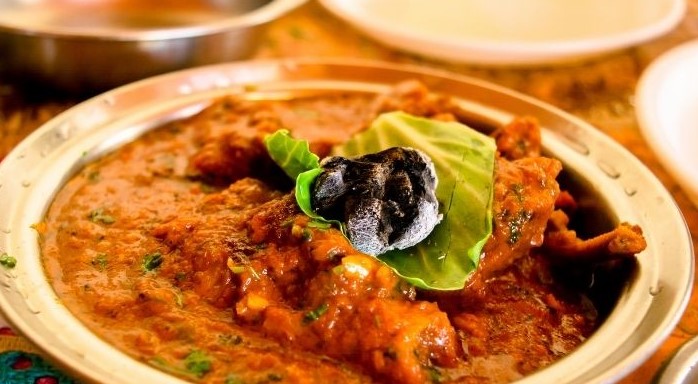
Introduction: The Spice of Indian Cuisine
Indian cuisine is renowned for its bold flavors and spicy dishes that tantalize the taste buds. The use of spices and herbs is a hallmark of Indian cooking, and the combination of these ingredients is what sets it apart from other cuisines. Indian food is not just about heat, as the spices used also add depth and complexity to the dishes. The use of spices in Indian cooking has been a tradition for thousands of years and is an integral part of the country’s culture and history.
Understanding the Heat: A Brief Overview
The heat in Indian cuisine comes from the use of chili peppers and other spices, such as black pepper, cinnamon, and cloves. The level of spiciness can vary depending on the region, and the type of dish being prepared. Some dishes are mild, while others can be incredibly spicy. Understanding the heat in Indian cuisine is essential if you want to explore this type of food fully.
The Science Behind Spiciness
The heat in chili peppers comes from a compound called capsaicin. When we eat something spicy, capsaicin binds to pain receptors in the mouth and throat, causing a burning sensation. This reaction triggers the body’s release of endorphins, which can create a feeling of pleasure or euphoria. The intensity of the burning sensation depends on the concentration of capsaicin in the chili, and how much is used in a dish.
From Mild to Wild: Levels of Heat in Indian Dishes
Indian cuisine has a range of dishes with varying levels of spiciness. Some dishes are mild and flavorful, while others are fiery and require a glass of milk or yogurt to cool down the tongue. For those who are new to Indian food, it’s recommended to start with milder dishes such as butter chicken, tikka masala, or dal makhani. As you become more comfortable with the flavors, you can move onto spicier dishes such as vindaloo, phaal, or chettinad chicken.
Popular Spices Used in Indian Cooking
The use of spices is one of the defining features of Indian cuisine. Some of the most commonly used spices include cumin, coriander, turmeric, ginger, and garlic. Other spices that add heat to Indian dishes include chili powder, cayenne pepper, and black pepper. Whole spices are often toasted before being ground to release their flavors and aromas.
Health Benefits of Spicy Foods
Spicy foods have been shown to have several health benefits. Capsaicin, the compound responsible for the heat in chili peppers, has been shown to have anti-inflammatory and antioxidant properties. It may also help to boost metabolism and aid in weight loss. Spices such as turmeric and ginger have anti-inflammatory properties and may help to reduce inflammation in the body.
Regional Variations in Spicy Indian Dishes
Indian cuisine is diverse, and the level of spiciness varies from region to region. The cuisine of North India is known for its rich, creamy gravies, while the cuisine of South India is more focused on seafood and vegetarian dishes. The cuisine of the Northeastern states of India is known for its use of bamboo shoots and fermented soybeans. Each region has its own unique blend of spices and flavors, making Indian cuisine a journey of discovery.
Common Ingredients for Balancing Spiciness
To balance the heat in Indian dishes, several ingredients are commonly used. Yogurt, coconut milk, and cream are often added to curries to reduce the spiciness. Lemon or lime juice can help to cut through the heat, while sugar can help to balance the flavors. Bread, rice, or potatoes can also be served on the side to help absorb some of the spiciness.
Pairing Spicy Foods with Beverages
When it comes to pairing beverages with spicy foods, it’s essential to choose a drink that can help to soothe the heat. Water can help to cool down the mouth, but it’s not the best option as it can actually spread the capsaicin around. Instead, opt for milk, yogurt, or lassi, which can help to neutralize the heat. Beer can also be a good option, as the carbonation can help to cleanse the palate.
Conclusion: Embrace the Heat, Explore the Flavor
Indian cuisine is a celebration of spices, flavors, and aromas. The heat in Indian dishes is a defining characteristic that sets it apart from other cuisines. Whether you prefer mild or spicy dishes, there’s something for everyone in Indian cuisine. So, embrace the heat, explore the flavors, and enjoy the journey of discovery that is Indian cuisine.


Facebook Comments