 John Myers
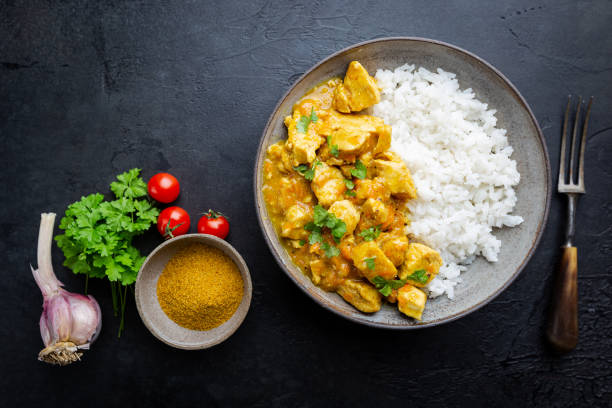
Introduction: Indian Cuisine and its Rich Aroma
Indian cuisine is renowned for its richness in aroma and flavor, which has made it a popular choice among food enthusiasts across the world. The use of a wide range of spices, herbs, and aromatic ingredients in Indian cooking is what gives it its unique taste and aroma. Indian cuisine is diverse and varies greatly from region to region, with each region having its own signature dishes and culinary styles.
Indian food is not just about satisfying hunger; it is also an experience that engages all the senses, especially the sense of smell. The aroma of Indian food is so enticing that it can make your mouth water and your stomach rumble, just by the mere whiff of it. The use of spices such as cumin, coriander, turmeric, and cardamom, among others, is what gives Indian cuisine its distinctive aroma.
The Role of Spices in Indian Cuisine
The use of spices in Indian cuisine is not just for flavor, but also for their medicinal and aromatic properties. Spices are used to enhance the flavor, aroma, and texture of Indian dishes. They also have several health benefits, such as aiding digestion, reducing inflammation, and boosting the immune system.
Spices are used in various forms in Indian cooking, including whole, ground, roasted, and as a spice blend. Different regions in India have their own unique blend of spices known as masalas, which are used to flavor specific dishes. The spices used in Indian cuisine are not just limited to the savory dishes; they are also used in desserts and beverages, adding a unique twist to the traditional dishes.
The Influence of Regional Flavors on Indian Cuisine
India is a country with diverse cultures and traditions, and Indian cuisine reflects this diversity. Each region in India has its own unique flavors and ingredients which contribute to the overall richness of Indian cuisine.
For example, the cuisine of North India is known for its rich, creamy gravies and the use of whole spices such as cardamom and cinnamon. The cuisine of South India, on the other hand, is known for its use of coconut, curry leaves, and mustard seeds. The cuisine of East India is influenced by the use of fish and mustard oil, while the cuisine of West India is known for its use of peanuts, coconut, and jaggery.
Aromatic Ingredients in Indian Cooking
Apart from spices, there are several other aromatic ingredients that are used in Indian cooking. These include herbs such as coriander, mint, and curry leaves, and other ingredients such as onions, garlic, and ginger.
Aromatic ingredients are used to enhance the flavor and aroma of Indian dishes. For example, the use of curry leaves in South Indian cuisine not only adds flavor but also a distinctive aroma. Similarly, the use of coriander leaves in North Indian cuisine adds a fresh, herbaceous aroma to the dishes.
Understanding the Science of Aromas in Indian Food
The science of aromas in Indian food is complex and fascinating. Aromas are created through the interaction of various compounds in the ingredients used in cooking.
For example, the compound responsible for the distinctive aroma of cumin is cuminaldehyde, while the compound responsible for the aroma of cardamom is alpha-terpineol. The concentration and combination of these compounds determine the overall aroma of the dish.
Techniques for Enhancing Aromas in Indian Cuisine
There are several techniques used in Indian cooking to enhance the aroma of the dish. One such technique is tempering, which involves heating whole spices in oil or ghee, and then adding them to the dish.
Another technique is roasting spices before grinding them, which enhances their aroma and flavor. Similarly, the use of fresh herbs and ingredients such as ginger and garlic can also enhance the aroma of the dish, making it more appetizing.
Popular dishes known for their Aroma in Indian Cuisine
There are several popular dishes in Indian cuisine known for their rich aroma. One such dish is biryani, a fragrant rice dish made with a blend of spices and meat or vegetables.
Another dish is butter chicken, a creamy and aromatic dish made with chicken cooked in a tomato-based gravy. Other popular dishes known for their aroma include chole bhature, dal makhani, and paneer tikka.
Pairing Wine and Aromas in Indian Cuisine
Pairing wine with Indian cuisine can be a challenge due to the strong and complex flavors and aromas of Indian dishes. However, there are several wines that can complement the flavors and aromas of Indian food.
Light and fruity wines such as Riesling and Gewurztraminer pair well with spicy dishes, while full-bodied wines such as Cabernet Sauvignon and Syrah pair well with rich and creamy dishes. White wines such as Sauvignon Blanc pair well with dishes that have a strong herbal aroma.
Aroma Therapy and Indian Spices
The use of Indian spices in aroma therapy is gaining popularity due to their medicinal and therapeutic properties. Essential oils extracted from spices such as cinnamon, clove, and cardamom are used in aromatherapy to alleviate stress, improve digestion, and boost the immune system.
The use of spices in aroma therapy is based on the principle of aromachology, which is the study of the effect of aromas on the human psyche.
Conclusion: Exploring the Rich Aroma of Indian Cuisine
The rich aroma of Indian cuisine is what sets it apart from other cuisines in the world. The use of a wide range of spices and aromatic ingredients, as well as the influence of regional flavors, contributes to the overall richness of Indian cuisine.
Understanding the science of aromas in Indian food, as well as techniques for enhancing aromas, can help in creating more appetizing and flavorful dishes. Whether it is through food or aroma therapy, the enticing aroma of Indian spices will continue to captivate and enthrall food enthusiasts around the world.



Facebook Comments