 John Myers
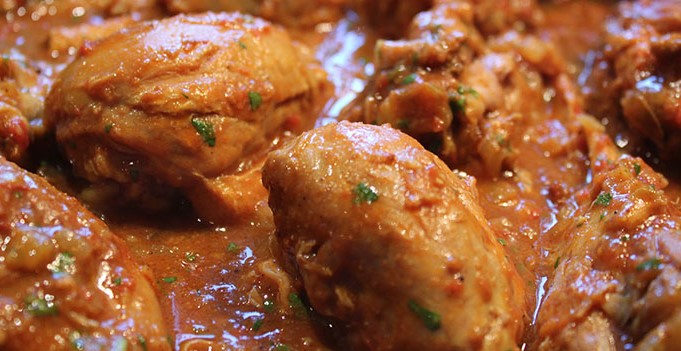
Introduction: Indian Cuisine and Curry
Indian cuisine is a vibrant and diverse culinary tradition that has been shaped over centuries by various cultures and regions. One of the most popular and recognizable dishes from this cuisine is curry, a flavorful and aromatic dish that can be enjoyed in countless variations.
History of Curry in India
The origins of curry in India can be traced back thousands of years to the Indus Valley Civilization. Over time, the dish evolved and spread across the subcontinent, incorporating new ingredients and techniques from different regions and cultures. The word “curry” itself is believed to have been derived from the Tamil word “kari,” which means sauce or gravy. Today, curry is considered a staple of Indian cuisine and a beloved dish around the world.
The Essential Ingredients of Curry
While there are countless variations of curry, there are some key ingredients that are common to many recipes. These include spices such as turmeric, cumin, coriander, and garam masala, as well as herbs like ginger, garlic, and curry leaves. Other ingredients may include vegetables, meats, seafood, or dairy products like yogurt or cream. The combination of these ingredients creates the complex and layered flavors that are characteristic of curry.
Regional Variations of Indian Curry
One of the fascinating aspects of Indian cuisine is the incredible diversity of regional variations of curry. Different regions of India have their own unique styles and ingredients, resulting in an incredible range of flavors and textures. Some popular regional styles of curry include Bengali fish curry, Punjabi butter chicken, and South Indian coconut curry.
Popular Curry Dishes in Indian Cuisine
There are countless delicious curry dishes in Indian cuisine, each with their own unique flavors and textures. Some of the most popular dishes include chicken tikka masala, lamb vindaloo, saag paneer, and chana masala. These dishes can be enjoyed on their own or paired with other dishes like rice, naan bread, or samosas.
The Art of Mixing Spices in Curry
One of the key elements of making a great curry is the art of mixing spices. Different spices have different properties and flavors, and the right combination can create a delicious and complex dish. It’s important to balance the various spices to avoid overwhelming any single flavor. The technique of “tempering,” or frying spices in oil, is also important in creating the depth of flavor that is characteristic of curry.
The Health Benefits of Eating Indian Curry
In addition to being delicious, Indian curry also has several health benefits. Many of the ingredients used in curry, such as turmeric and ginger, have anti-inflammatory properties and have been linked to improved digestive health. Many curry dishes also incorporate vegetables and lean proteins, making them healthy and nutritious options.
Tips for Cooking Indian Curry at Home
If you’re interested in cooking Indian curry at home, there are a few tips to keep in mind. First, be sure to use fresh, high-quality spices for the best flavor. It’s also important to temper the spices correctly and cook the curry slowly to allow the flavors to develop. Finally, don’t be afraid to experiment with different ingredients and spice combinations to create your own unique curry recipe.
Pairing Indian Curry with Wine and Beer
When it comes to pairing wine or beer with Indian curry, it’s important to consider the flavors and spices in the dish. For beer, opt for lighter, refreshing options like lagers or pilsners. For wine, a fruity white like Riesling or a spicy red like Syrah can be a great match.
Conclusion: Relishing the Diversity of Indian Curry
Indian curry is a delicious and complex dish that has been enjoyed for centuries. With its incredible range of flavors and regional variations, there’s always something new to explore in this vibrant cuisine. Whether you’re cooking at home or dining out, take the time to savor the rich flavors and aromas of this iconic dish.



Facebook Comments