 John Myers
Introduction: Vegetarian Indian Cuisine
Vegetarianism has been a part of Indian culture for centuries, and it is not a surprise that India is home to some of the most delicious and diverse vegetarian cuisines the world has to offer. Indian cuisine is characterized by a rich combination of flavors, spices, and herbs, which are used to create unique and delicious dishes that satisfy the taste buds of vegetarians and meat-eaters alike.
The foundation of vegetarian Indian cuisine is based on the principle of “Ahimsa,” which means non-violence. Vegetables, grains, and legumes are considered to be the most ethical and compassionate sources of food, which makes vegetarianism a logical and spiritual choice for many Indians. From street food to fine dining, vegetarian Indian cuisine has something to offer for everyone.
The Importance of Spices in Indian Cuisine
Indian cuisine is known for its bold and complex flavors, which are achieved by using a vast array of spices and herbs. Spices not only add flavor to the dishes but also have medicinal and nutritional properties. Spices like turmeric, cumin, coriander, and cardamom are known to have anti-inflammatory and antioxidant properties, which makes Indian food not only delicious but also healthy.
Spices are used in different combinations and proportions to create distinctive regional flavors. For example, Northern Indian cuisine is known for its use of garam masala, a blend of spices including cinnamon, cloves, and cardamom, while Southern Indian cuisine is characterized by the use of curry leaves, mustard seeds, and coconut. The use of spices is an art in Indian cuisine, and it is what makes the dishes so flavorful and aromatic.
Regional Variations of Vegetarian Indian Dishes
India is a vast country with diverse cultures and cuisines, and each region has its own unique vegetarian dishes. For example, the North Indian cuisine is known for its rich and creamy curries like butter paneer, which is made with soft paneer cheese in a tomato-based gravy. In contrast, the South Indian cuisine is known for its light and spicy dishes like dosas and idlis, made with fermented rice and lentil batter.
The East Indian cuisine is known for its use of mustard oil and panch phoron, a blend of five spices, while the West Indian cuisine is known for its use of coconut milk and seafood. Each region has its own distinct flavors and styles of cooking, which makes vegetarian Indian cuisine a culinary adventure.
Popular Snacks and Street Food in India
Street food is an integral part of Indian culture, and there is a vast variety of vegetarian options available. Some of the most popular vegetarian street foods in India include samosas, crispy fried pastry stuffed with spiced potatoes and peas, and chaat, a savory snack made with crispy fried dough, chickpeas, and tangy sauces.
Other popular street foods include vada pav, a spicy potato fritter sandwich, and pav bhaji, a spicy vegetable curry served with buttered bread. Street food in India is not only delicious but also affordable and accessible, making it a favorite among locals and tourists alike.
Classic Vegetarian Main Dishes in Indian Cuisine
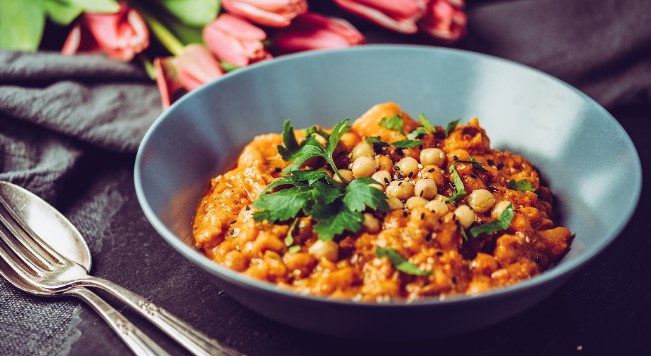
Indian cuisine is known for its rich and flavorful main dishes, which are usually served with rice or bread. Some classic vegetarian main dishes include chana masala, a spicy chickpea curry, and rajma, a kidney bean curry. Dal, a lentil soup, is another staple dish in Indian cuisine and is served with rice or bread.
Another popular main dish is palak paneer, a creamy spinach and paneer cheese curry. Other vegetarian options include baingan bharta, a smoky roasted eggplant curry, and aloo gobi, a potato and cauliflower curry. Vegetarian Indian main dishes are hearty, flavorful, and satisfying.
Unique Desserts from India
Indian desserts are a perfect blend of sweet and savory flavors and are as diverse as the regional cuisines. Some popular vegetarian desserts include gulab jamun, deep-fried milk dumplings in sugar syrup, and rasgulla, soft and spongy cheese balls in syrup.
Other unique desserts include kheer, a rice pudding made with milk and cardamom, and gajar ka halwa, a sweet carrot pudding. Indian desserts are often garnished with nuts and dried fruits, making them not only delicious but also nutritious.
The Role of Lentils in Indian Cooking
Lentils are an essential ingredient in Indian cooking and are used in a variety of dishes. Lentils are a good source of protein, fiber, and other nutrients, making them a staple in vegetarian diets. Some popular lentil dishes in Indian cuisine include dal makhani, a creamy lentil curry, and dal tadka, a lentil soup flavored with spices and herbs.
Other lentil dishes include sambar, a spicy lentil and vegetable soup, and khichdi, a one-pot dish made with rice and lentils. Lentils are versatile and can be used in salads, soups, and stews, making them an excellent ingredient for vegetarian cooking.
Vegan Options in Indian Cuisine
Indian cuisine is a great option for vegans, as many dishes are naturally vegan or can be easily made vegan by substituting dairy products with plant-based alternatives. For example, paneer can be substituted with tofu or nuts, and ghee with vegetable oil.
Some vegan options in Indian cuisine include chana masala, rajma, and baingan bharta. Dishes like dosas and idlis are also vegan-friendly. With its wide variety of vegetarian and vegan options, Indian cuisine is a great choice for those seeking a plant-based diet.
Health Benefits of a Vegetarian Indian Diet
A vegetarian Indian diet is not only delicious but also has numerous health benefits. Vegetables, legumes, and grains are rich in fiber, vitamins, and minerals, which are essential for maintaining good health. Spices like turmeric and cumin have anti-inflammatory and antioxidant properties, which can help prevent chronic diseases like cancer and heart disease.
Studies have also shown that a vegetarian Indian diet can help lower cholesterol levels, reduce the risk of obesity and diabetes, and improve gut health. With its emphasis on plant-based foods and spices, vegetarian Indian cuisine is a healthy and flavorful choice.
Tips for Cooking Delicious Vegetarian Indian Dishes
Cooking vegetarian Indian dishes can seem intimidating, but with a few tips and tricks, it can be easy and fun. Start by stocking up on essential spices like cumin, coriander, turmeric, and garam masala. Experiment with different spice blends and proportions to create unique flavors.
Invest in a good quality pressure cooker, which can help reduce cooking time and make lentils and beans tender and flavorful. Don’t be afraid to try new recipes and techniques, and be open to making substitutions to suit your taste and dietary preferences.
In conclusion, vegetarian Indian cuisine is a delicious and healthy option for those seeking plant-based dishes. With its vast array of spices, herbs, and flavors, Indian cuisine offers something for everyone. From street food to fine dining, vegetarian Indian cuisine is a culinary adventure that should not be missed.


Facebook Comments