 John Myers
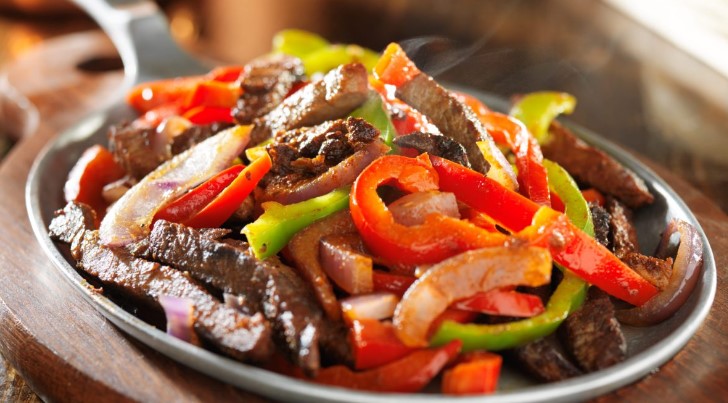
Introduction: Fajitas – A Mexican Classic
Fajitas are a quintessential dish of Mexican cuisine that has gained worldwide popularity for their unique combination of flavors and textures. This savory dish comprises grilled or sauteed strips of meat, peppers, onions, and spices served with tortillas and a variety of toppings. Fajitas are not only mouthwatering but also easy to prepare, making them an ideal meal for any occasion.
History: The Origins of Fajitas
The history of fajitas is somewhat ambiguous, with several theories about how they originated. One popular belief is that the dish was first made by Mexican ranch workers who cooked leftover beef skirts (fajitas) over open flames, seasoned them with spices, and wrapped them in tortillas. Another theory suggests that fajitas were invented in the 1930s by Mexican street vendors who sold the dish as a quick and affordable meal. Regardless of its origins, fajitas have become an integral part of Mexican cuisine and have evolved into various regional and international versions.
Ingredients: The Essential Components
The essential components of fajitas include meat, vegetables, spices, and tortillas. The most common meat used in fajitas is beef, but chicken, pork, or shrimp can also be used. Bell peppers, onions, and tomatoes are the traditional vegetables used in fajitas, which are sauteed or grilled with the meat. The spices used in fajitas include cumin, chili powder, garlic, and paprika, which give the dish its distinct flavor. Finally, tortillas are used to wrap the fajita filling, and toppings such as cheese, guacamole, salsa, and sour cream complete the dish.
Preparation: How to Make Perfect Fajitas
To make perfect fajitas, start by preparing the marinade for the meat, which typically includes lime juice, garlic, cumin, chili powder, and salt. Marinate the meat for at least two hours or overnight to allow the flavors to infuse. Next, saute or grill the meat and vegetables until they are cooked through and slightly charred. Warm the tortillas in a dry pan or grill for a few seconds on each side. Finally, assemble the fajitas by placing the meat and vegetables on the tortillas and adding the desired toppings.
Cooking Methods: Grilling vs Sauteing
Grilling and sauteing are two popular methods for cooking fajitas. Grilling the meat and vegetables over an open flame adds a smoky flavor to the dish and gives it a charred texture. Sauteing fajitas in a skillet with oil or butter allows the ingredients to cook evenly and retain their moisture. Both methods produce delicious fajitas, and the choice depends on personal preference and equipment availability.
Serving Suggestions: Toppings and Sides
Fajitas are often served with a variety of toppings and sides to enhance the flavor and texture of the dish. Popular toppings include cheese, guacamole, salsa, sour cream, and chopped cilantro. Sides such as rice, beans, and corn are commonly served with fajitas to make a complete meal. Salad greens, sliced avocados, and pickled jalapenos are other tasty additions that can complement fajitas.
Nutritional Value: Health Benefits of Fajitas
Fajitas can be a healthy and nutritious meal, depending on the choice of ingredients and preparation method. Lean cuts of meat such as sirloin or chicken breast provide protein and essential nutrients without excess fat or calories. Vegetables such as bell peppers, onions, and tomatoes are rich in vitamins and antioxidants that promote good health. Tortillas made from whole grains or cornmeal are a good source of fiber and complex carbohydrates. Toppings such as guacamole, salsa, and sour cream provide healthy fats and flavor without excessive calories.
Variations: Unique Fajita Recipes to Try
Fajitas can be adapted to a variety of flavors and ingredients, making them a versatile dish that can suit any taste. Some unique fajita recipes to try include seafood fajitas with shrimp or scallops, vegetarian fajitas with tofu or portobello mushrooms, and fruit fajitas with grilled pineapples or peaches. Experimenting with different marinades, spices, and toppings can create endless possibilities for fajita variations.
Fajitas Around the World: International Twist
Fajitas have gained popularity worldwide and have been adapted to suit various cuisines and cultures. Korean bulgogi fajitas, Indian chicken tikka fajitas, and Thai coconut curry fajitas are some examples of international fajita variations. These fusion fajitas combine the traditional flavors of fajitas with unique spices and ingredients from different cultures, creating a delightful culinary experience.
Conclusion: Embrace the Flavorful Fajitas
Fajitas are a classic dish of Mexican cuisine that has become a favorite worldwide for their unique flavor and versatility. Whether grilled or sautéed, with beef or chicken, traditional or fusion-style, fajitas offer endless possibilities for creativity and experimentation in the kitchen. So, embrace the flavorful fajitas and enjoy a taste of Mexico with your family and friends.


Facebook Comments