 John Myers
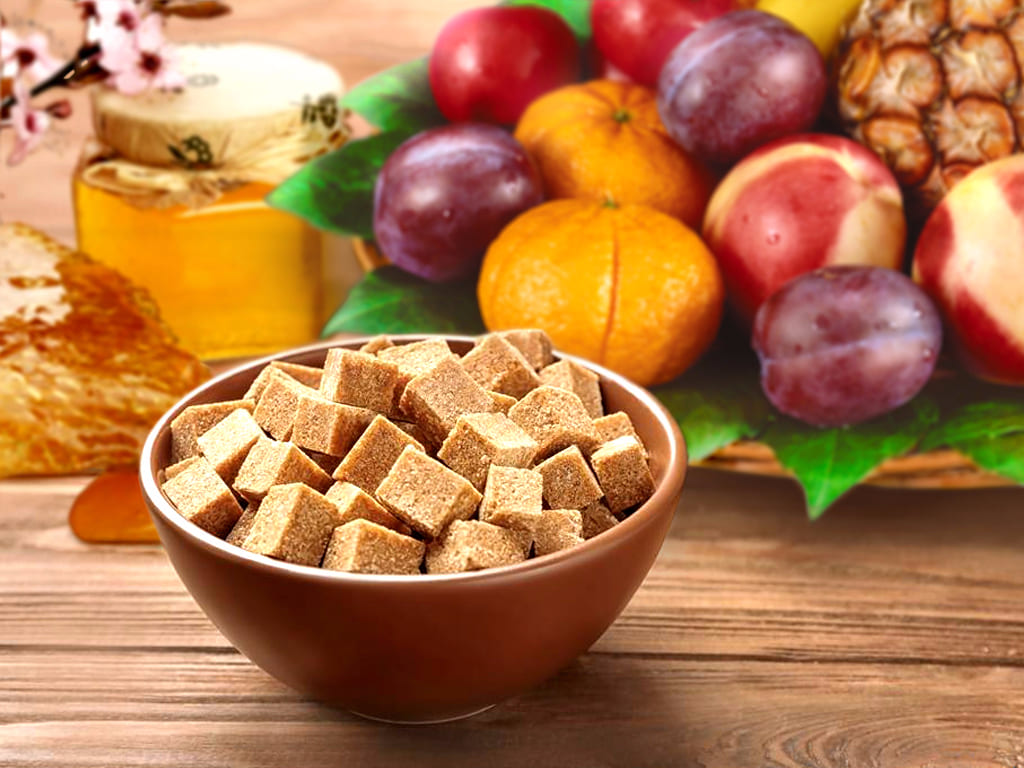
Fructose malabsorption is also known as intestinal fructose intolerance. It must be clearly distinguished from congenital hereditary fructose intolerance (HFI), in which no fruit sugar is tolerated at all due to a defect in the fructose metabolism. In the case of fructose malabsorption, the transport system for fructose in the intestine is disrupted. However, those affected may at least ingest small amounts of fructose. On the other hand, it is not advisable to do without it completely, as it can lead to an undersupply of certain vitamins and nutrients.
With HFI, lifelong intensive medical and ecotrophological care is indispensable. If, on the other hand, fructose malabsorption is diagnosed, nutritional advice and medical support are usually only necessary temporarily. Because the symptoms can often be alleviated or even cured by a controlled change in diet, so that the intestines can recover and fructose can be tolerated in normal amounts again. However, a cure is only possible in the case of fructose malabsorption acquired over the course of life – but not if this is already congenital.
The change in diet is divided into three phases. In the first phase, the so-called waiting phase, only low-fructose and sorbitol-free foods are allowed on the menu for two to four weeks. Sorbitol is a sugar alcohol that competes with fructose for the same proteins that are important for intestinal absorption. During the waiting phase, a nutritional symptom diary is kept to record whether the symptoms decrease as a result of the change in diet.
Then the approximately six-week test phase begins, during which foods with a low and later also a medium fructose content are reintegrated into the diet step by step. In this way, an individual threshold value can be determined, i.e. the amount of fructose that a patient can tolerate. The food diary should be continued during this time in order to keep track of the foods that have been tolerated. At the end of this second phase, the permanent phase begins with the long-term change in diet.
The menu is tailored to the individual threshold. The basis is low-fructose and sorbitol-free food. This includes potatoes, pasta, rice, millet, couscous, and grain products. In addition, milk products without added fruit or fructose usually do not cause any problems. Meat, fish, and eggs can also be eaten, and nuts and seeds are suitable for fructose malabsorption diets.
Depending on the threshold, various other foods can add variety to the diet and ensure an adequate supply of all nutrients. This applies in particular to types of fruit and vegetables that have different levels of fructose and sorbitol. If the supply of all nutrients is not guaranteed, the doctor can prescribe various dietary supplements.
Basically, patients have to be careful with processed foods that contain not only fructose, but also the sugar substitutes sorbitol (E 420), mannitol (E 421), isomalt (E 953) or maltitol (E 965), which are unfavorable for them. They can be found, for example, in sweetened soft drinks or low-calorie products.


Facebook Comments